

Views: 0 Author: Site Editor Publish Time: 2026-02-06 Origin: Site
Warm fabrics play a key role in keeping children comfortable, healthy, and happy during colder months. Choosing the best warm fabric for children’s clothing isn’t just about thickness. It’s about how materials manage heat, airflow, and moisture throughout busy days and quiet nights. In this guide, we’ll help parents understand what makes fabrics warm, safe, and practical. You’ll learn how different warm fabrics perform across seasons, activities, and clothing types, so you can dress your child smarter, not heavier.
When parents think about warm clothing, they often picture thick and heavy fabrics. In reality, warmth in children’s clothing works differently. It depends more on how a fabric manages heat, air, and moisture around the body than on how bulky it feels. Understanding this makes it easier to choose clothing that keeps kids warm without making them uncomfortable.
Warmth comes from insulation, not weight. Fabrics keep children warm by trapping small pockets of air close to the skin. These air pockets slow down heat loss and help maintain a stable body temperature. At the same time, warm fabrics must allow air to move through them. Breathability lets excess heat escape, which is essential when children are active.
Insulation and breathability need to work together. A fabric that traps heat but does not release it can cause overheating, while a fabric that breathes well but lacks insulation may feel cold. Children need both because they heat up faster during play and cool down faster when they stop moving. Their bodies are still learning how to regulate temperature, so clothing plays a bigger role than it does for adults.
| Fabric Function | What It Does | Why It Matters for Kids |
|---|---|---|
| Insulation | Traps body heat | Keeps children warm |
| Breathability | Allows airflow | Prevents overheating |
| Moisture control | Moves sweat away | Keeps skin dry and calm |
Warmer is not always better. Too much insulation can make children feel sweaty and restless, especially indoors or during active play. When sweat cannot escape, clothing may feel sticky, heavy, and irritating against the skin. This discomfort can lead to rashes, chills after cooling down, or poor sleep at night.
Comfort comes from balance. Warm fabrics for children should provide steady warmth while still allowing airflow and moisture to escape. Good airflow helps regulate body temperature, and proper moisture control keeps the skin dry and comfortable. The best warm fabric for children’s clothing feels light, flexible, and breathable, supporting movement while keeping warmth consistent throughout the day.
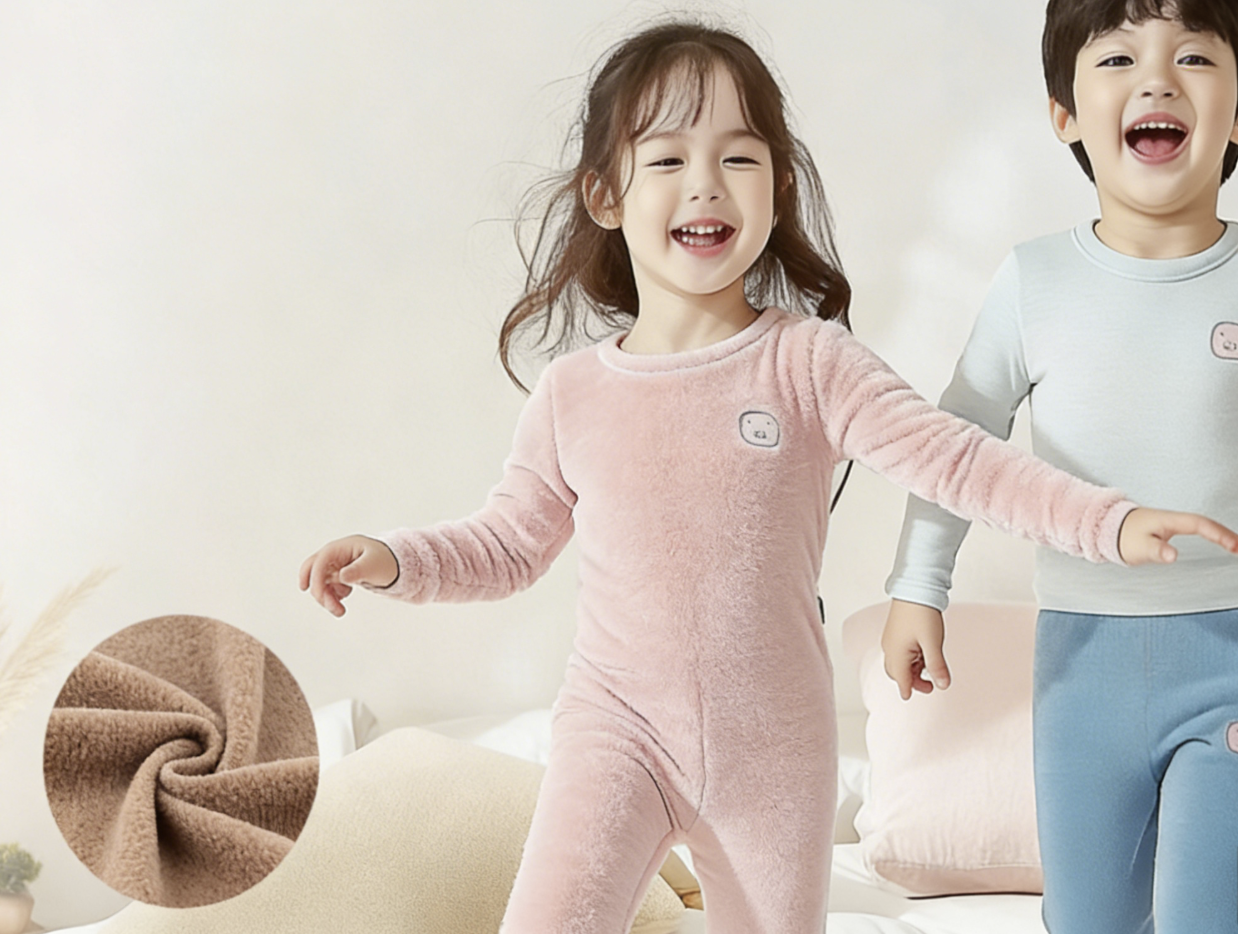
Every child responds differently to warm clothing. Some need extra softness. Others need freedom to move. Choosing the best warm fabric for children’s clothing starts by watching how your child reacts during real life, not just how the fabric feels in-store.
Skin tells you a lot. Red patches, frequent scratching, or complaints about itchiness often point to fabric irritation. If clothes leave marks or feel uncomfortable after short wear, the material may be too rough or poorly breathable.
For children prone to eczema or allergies, fabric choice matters even more. Natural, low-treated materials usually feel safer and calmer on the skin.
Best fabric options for sensitive skin include:
Organic cotton fleece for gentle, breathable warmth
Brushed cotton for softness without heaviness
Bamboo fleece for smooth texture and moisture control
Avoid fabrics treated for shine or stiffness. They often hold chemical residues and block airflow.
Kids rarely sit still. Their clothing should adjust as quickly as they do. A fabric suitable for outdoor play may feel too warm indoors, while lightweight indoor clothing may not protect them outside.
Warm fabrics for outdoor play should:
Insulate without bulk
Release heat during movement
Stay dry after sweating
For school or indoor wear, comfort comes first. Softer fabrics help kids focus and move freely without feeling restricted.
| Activity Type | Best Fabric Choice | Why It Works |
|---|---|---|
| Outdoor play | Cotton fleece, bamboo fleece | Warm, flexible, moisture control |
| School wear | Brushed cotton, light fleece | Breathable, comfortable all day |
| Indoor rest | TENCEL or Modal blends | Soft warmth, skin-friendly |
Heavier does not always mean warmer. Thick fabrics can trap heat too aggressively, causing overheating once kids start moving. Lightweight warm fabrics work better because they regulate temperature gradually.
Lightweight warmth works well for:
Mild winters
Active children
Indoor or layered outfits
Heavier winter layers make sense during very cold weather, especially outdoors. Even then, layering works better than one bulky garment.
Simple layering basics for children:
Base layer: soft, breathable cotton or bamboo
Middle layer: brushed cotton or light fleece
Outer layer: wind or cold protection
Layering lets you adjust warmth quickly as conditions change. Kids stay comfortable, dry, and ready to move.
Choosing the right warm fabric often depends on how and where kids wear it. Different clothing types need different performance balances, so let’s break it down in a practical way parents can actually use.
For everyday winter tops, comfort comes first. Kids move a lot, sit in class, and play outdoors, so fabrics must stay warm without feeling heavy or stiff.
Ideal materials for daily wear
Cotton fleece: soft, skin-friendly, easy to wash, and warm enough for mild to cold days.
Cotton-poly blends: better shape retention, faster drying, and less shrinking.
Brushed jersey knits: lightweight warmth, good for layering under jackets.
Fabrics that keep warmth without bulk
Microfleece and loopback fleece trap air efficiently. They insulate well but stay thin, which helps kids move freely and avoids that “puffy” feeling.
| Fabric Type | Warmth Level | Weight | Best Use |
|---|---|---|---|
| Cotton fleece | Medium | Light | School, daily wear |
| Microfleece | Medium-High | Very light | Layering, active kids |
| French terry | Medium | Light | Indoor-outdoor wear |
Pants need a smart balance. They should stretch, resist wear, and keep legs warm during long days.
Stretch, warmth, and durability balance
Fleece-lined joggers provide warmth inside and durability outside.
Cotton-spandex blends allow movement without losing shape.
Ponte knit fabrics feel structured but insulate better than regular cotton.
Kids bend, run, and sit on cold surfaces. These fabrics handle all three without wearing out too fast.
Sleep is where fabric choice really matters. Overheating at night can disrupt sleep and cause discomfort.
Why breathable warmth is critical at night
At night, body temperature drops and rises naturally. Pajama fabrics must hold warmth while releasing excess heat. Breathability keeps kids dry and comfortable.
Recommended fabrics for safe sleep
Cotton flannel: warm, breathable, and gentle on skin.
Bamboo blends: temperature-regulating and moisture-wicking.
Lightweight wool blends: warm but breathable, when properly processed.
Avoid thick synthetics for sleep. They can trap heat and moisture, making kids restless.
Outer layers face wind, rain, and cold air. Here, performance often matters more than softness.
When synthetic fabrics are acceptable
Polyester and nylon are useful for shells because they block wind and resist moisture. They’re fine when paired with safe inner layers.
Importance of lining materials
The lining touches the skin or inner clothes, so it matters a lot.
Fleece linings add warmth without stiffness.
Cotton linings improve comfort and breathability.
Down-alternative insulation works well for active children.
A good jacket combines a tough outer shell and a warm, breathable lining. That combo keeps kids protected without overheating.
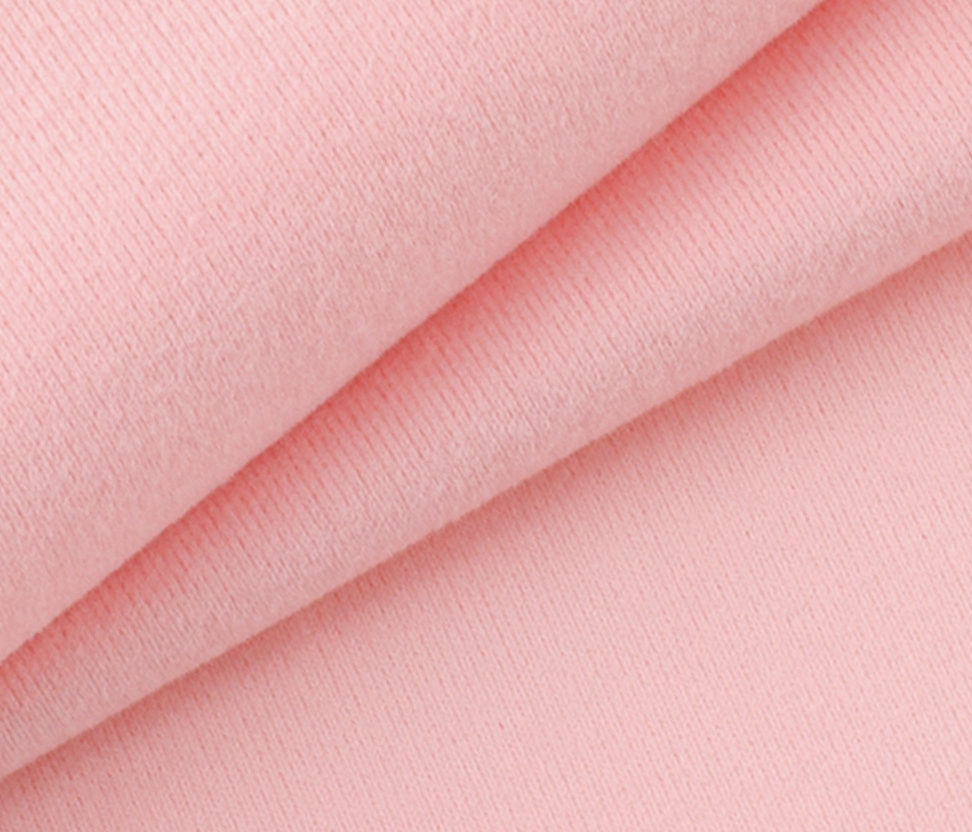
Weather changes fast. Children react even faster. Choosing the right warm fabric depends on season, climate, and how often kids move between indoors and outdoors. One fabric rarely works all year.
Climate plays a big role in fabric choice. Mild winters call for breathable warmth. Harsh winters demand stronger insulation, but still need airflow to avoid overheating.
In regions with short or gentle winters, children often move between warm rooms and cool air. Heavy fabrics can feel uncomfortable indoors. Lighter warm fabrics handle these changes better.
Best options for mild winter climates:
Brushed cotton for daily wear
Cotton fleece for outdoor play
Bamboo fleece for indoor warmth
Colder regions require fabrics that hold heat longer. Even then, comfort depends on breathability and moisture control.
Better choices for harsh winter climates:
Cotton fleece layered under outerwear
Merino wool blends for steady temperature control
Insulated outer layers combined with breathable inner fabrics
| Winter Type | Fabric Focus | Why It Works |
|---|---|---|
| Mild winter | Light insulation | Prevents overheating indoors |
| Harsh winter | Layered warmth | Adapts to temperature changes |
Parents should consider where their child spends most time. School heating, home insulation, and travel routines all affect fabric performance.
Autumn and early spring bring unpredictable temperatures. Mornings feel cold. Afternoons warm quickly. Transitional fabrics need flexibility.
The best transitional fabrics provide light warmth and strong breathability. They should work alone or as part of a layer.
Reliable choices include:
Brushed cotton for everyday comfort
Organic cotton fleece for variable weather
TENCEL or Modal blends for indoor-heavy days
These fabrics adjust easily as temperatures shift. Kids stay comfortable without constant outfit changes.
A: Wool and fleece are among the warmest fabrics for kids. Wool naturally insulates and regulates temperature, while fleece traps heat efficiently and stays lightweight, making both great for cold weather wear.
A: Yes, when they’re breathable. Cotton fleece and bamboo blends work well indoors because they hold warmth without causing overheating or skin irritation.
A: Usually two to three layers. A breathable base layer, a warm middle layer, and a protective outer layer work best for changing temperatures.
A: Absolutely. Fabrics like wool, bamboo blends, and cotton knits allow airflow while retaining heat, helping kids stay warm and comfortable.
Choosing warm fabrics for children is really about balance. Kids need insulation that works quietly in the background, breathability that keeps up with movement, and softness that feels good all day and night. When fabrics match climate, activity, and clothing type, children stay warmer, calmer, and more comfortable—without bulky layers or constant outfit changes.
At Shaoxing Lanfex Import and Export Co., Ltd., we focus on warm fabric solutions designed for real children’s lives. If you’re developing kidswear for global markets, we’re ready to support you with reliable materials, flexible sourcing, and practical fabric expertise.


