

Views: 0 Author: Site Editor Publish Time: 2026-02-12 Origin: Site
Ever wondered what makes polar fleece a winter favorite? This fabric revolutionized cold-weather gear with its warmth and softness. Polar fleece fabric is a durable polyester textile designed for insulation and comfort. It has evolved since the 1970s to become essential in outdoor clothing. In this post, you’ll learn what polar fleece is, its key features, and why it outperforms other fleece types in cold climates.
Polar fleece is primarily made from polyester, a synthetic fiber known for its durability and insulating properties. This fabric often consists of 100% polyester or a blend that enhances stretch or softness. The polyester fibers are knitted tightly and then brushed to create a plush surface. This brushing process raises the fibers, forming tiny air pockets that trap warmth efficiently. Unlike natural fibers, polyester doesn't absorb much water, helping polar fleece dry quickly and maintain warmth even when damp.
Polar fleece varies in thickness, generally ranging between 200 and 400 GSM (grams per square meter). This range allows manufacturers to tailor the fabric's warmth and weight for different uses. Thicker polar fleece, closer to 400 GSM, offers more insulation and is perfect for harsh cold weather. Lighter versions remain breathable and flexible, making them suitable for activewear or layering. Compared to regular fleece, polar fleece is denser and loftier, which means it traps more heat without adding excessive bulk.
One defining feature of polar fleece is its soft, fuzzy texture on one or both sides of the fabric. Double-sided brushing means both sides are raised and brushed, increasing softness and insulation. This plush feel makes polar fleece comfortable against the skin and enhances its ability to hold warmth. The surface texture also helps reduce wind penetration, adding to the fabric’s protective qualities in cold environments.
Polar fleece excels at warmth and insulation. Its raised fibers create air pockets that trap body heat, keeping you cozy in chilly conditions. Despite its thickness, polar fleece remains breathable, allowing moisture vapor to escape. This balance prevents overheating and helps regulate body temperature during physical activities. The fabric's breathability is essential for outdoor gear, where staying dry and comfortable is crucial.
Thanks to its synthetic polyester base, polar fleece wicks moisture away from the skin effectively. Sweat vapor passes through the fabric, keeping you dry during exercise or outdoor adventures. Additionally, polar fleece dries rapidly compared to natural fibers like wool or cotton. This quick-drying feature reduces discomfort and the risk of chills caused by damp clothing, making polar fleece ideal for active and cold-weather wear.
Polar fleece is known for its durability. High-quality versions often include anti-pilling treatments that minimize the formation of small fiber balls on the surface. These treatments extend the fabric’s lifespan and keep it looking fresh after multiple washes. The dense knit and sturdy polyester fibers resist abrasion, making polar fleece suitable for rugged use in outdoor activities and activewear.
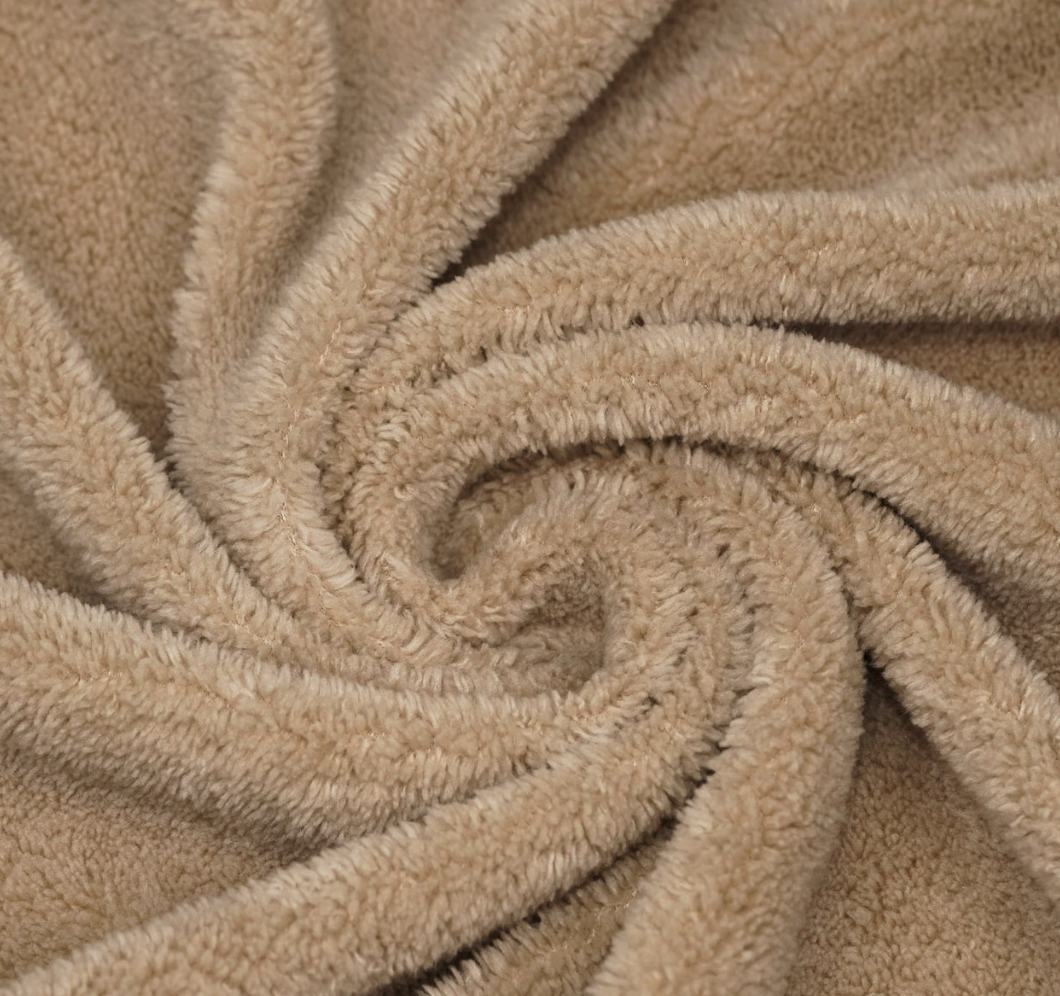
Polar fleece is generally thicker and denser than regular fleece. It usually ranges from 200 to 400 GSM, while regular fleece tends to be lighter and thinner. This thickness means polar fleece traps more heat, offering superior insulation. Regular fleece suits mild to cool weather, while polar fleece excels in cold climates. For example, a polar fleece jacket keeps you warmer during winter hikes compared to a standard fleece jacket.
Both fabrics provide warmth, but polar fleece retains heat better due to its loftier pile and double-sided brushing. It creates tiny air pockets that hold body heat efficiently. In contrast, regular fleece offers moderate warmth and is often more breathable. When it comes to moisture management, polar fleece wicks sweat away effectively and dries quickly, keeping you dry during activities. Regular fleece also wicks moisture but may not dry as fast, which can cause discomfort in damp conditions.
Polar fleece is more durable than regular fleece. Its denser knit and higher-quality polyester fibers resist abrasion and pilling better. Many polar fleece fabrics include anti-pilling treatments, extending their lifespan. Regular fleece, being lighter and thinner, tends to wear out faster and may pill more easily after repeated washing or rough use. For activewear or outdoor gear, polar fleece is the more reliable choice.
Regular fleece is versatile and often used in lightweight jackets, sweatshirts, and casual wear. It’s perfect for layering or for use in mild weather. Polar fleece suits heavy-duty applications like winter jackets, vests, blankets, and outdoor gear. It’s ideal for cold-weather activities such as skiing, hiking, or camping. For example, polar fleece gloves keep hands warmer in freezing temperatures compared to regular fleece gloves.
Regular fleece is usually more affordable and widely available. Its lower price point makes it accessible for everyday clothing and large-scale production. Polar fleece, being higher quality and thicker, tends to cost more. However, the price difference reflects its enhanced warmth, durability, and performance. For businesses or consumers seeking long-lasting cold-weather apparel, investing in polar fleece often proves cost-effective over time.
| Comparison Aspect | Polar Fleece | Regular Fleece |
|---|---|---|
| Thickness & GSM | Thicker, denser (200–400 GSM) | Lighter, thinner (usually below 200 GSM) |
| Insulation | Superior heat retention, ideal for cold climates | Moderate warmth, suitable for mild weather |
| Warmth Retention | Loftier pile, traps more air for better insulation | Provides warmth but less heat trapping |
| Moisture Management | Wicks moisture well and dries quickly | Wicks moisture but dries slower |
| Durability | More durable, anti-pilling, abrasion resistant | Less durable, may pill after washing |
| Typical Applications | Winter jackets, vests, blankets, outdoor gear | Lightweight jackets, sweatshirts, casual wear |
| Best Use Cases | Skiing, hiking, camping, cold-weather activities | Layering, daily wear in mild conditions |
| Cost | Higher cost, better long-term value | More affordable, widely available |
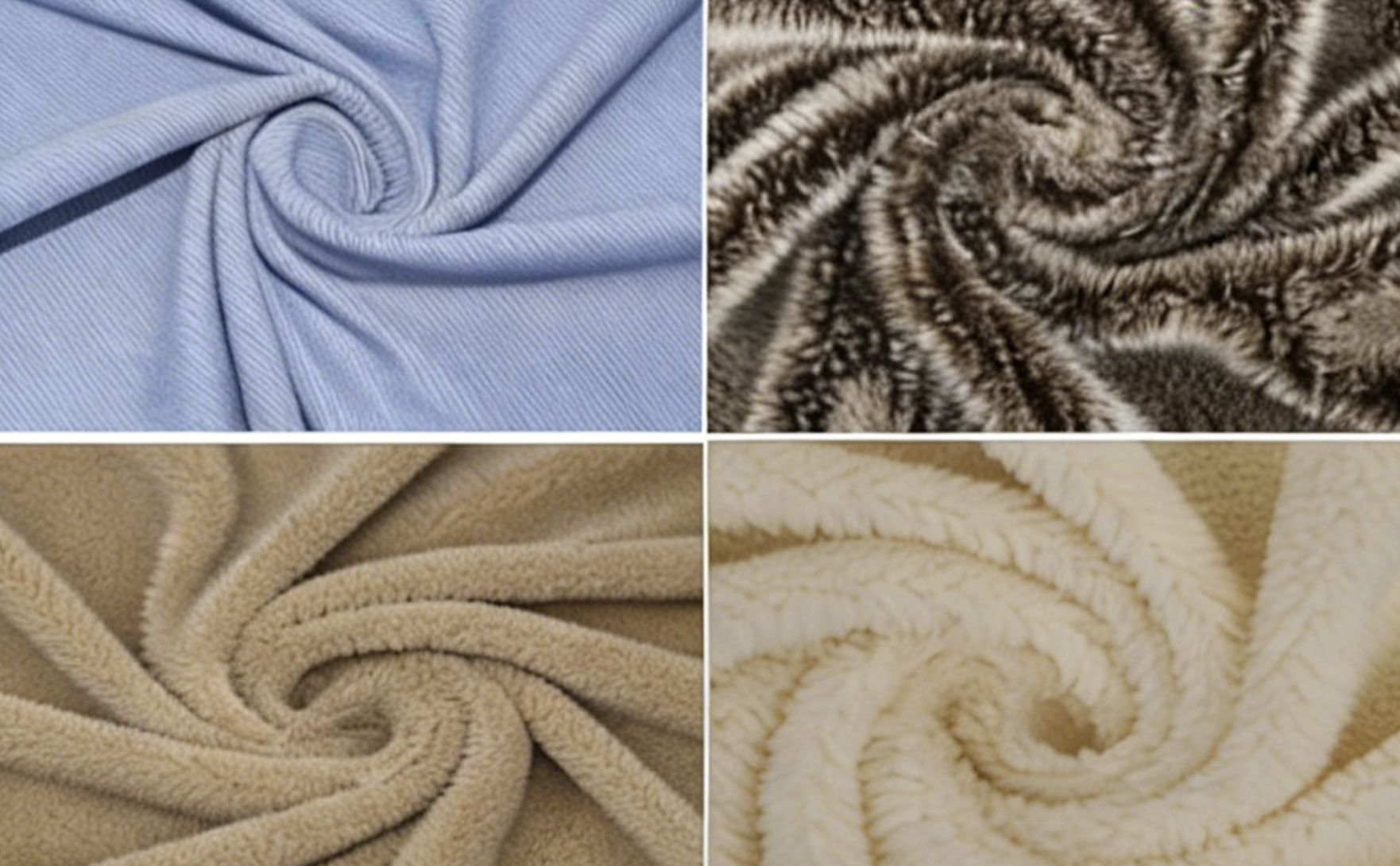
Micro fleece is a lighter, thinner version of polar fleece. It usually weighs between 100 and 200 GSM, while polar fleece ranges from 200 to 400 GSM. Micro fleece fibers are finer and knitted more tightly, giving it a smooth surface that feels soft against the skin. This makes micro fleece ideal for base layers, pajamas, and lightweight sportswear where breathability and moisture management matter most.Polar fleece, thicker and loftier, traps more heat and offers better insulation. It’s perfect for outerwear, winter blankets, and cold-weather gear. While micro fleece focuses on comfort and moisture-wicking for active use, polar fleece prioritizes warmth and durability for harsher conditions.
Coral fleece stands out for its extremely soft, velvety texture and plush feel. It has a higher pile density, making it thicker and warmer than many fleece types. This fabric is often used indoors for blankets, pajamas, and baby products due to its luxurious softness and excellent water absorbency.Polar fleece, though not as soft as coral fleece, provides superior breathability and moisture-wicking. Its double-sided brushed surface offers warmth without excessive bulk. Coral fleece excels in cozy indoor comfort, while polar fleece suits outdoor activities requiring durability and insulation.
Sherpa and Berber fleece mimic natural wool’s appearance and texture. Sherpa fleece features a fluffy, curly pile resembling sheep’s wool, offering great warmth and a cozy feel. Berber fleece has a looped texture, providing softness and insulation but with a distinct look.Polar fleece differs by offering a smoother, more uniform pile. It’s lighter than Sherpa and Berber fleece but still provides excellent warmth and durability. Sherpa and Berber fleece are often used in linings and casual wear, whereas polar fleece fits activewear and technical outdoor gear better.
Polar fleece combines warmth, breathability, and durability in a balanced way. Its double-sided brushing creates tiny air pockets that trap heat efficiently. It resists pilling better than many fleece types, especially when treated with anti-pilling finishes. Polar fleece dries quickly and wicks moisture well, making it suitable for various climates and activities.Unlike micro fleece, it offers more insulation. Compared to coral fleece, it is more durable and better for outdoor use. Sherpa and Berber fleece provide unique textures but lack polar fleece’s lightweight warmth and moisture management. Polar fleece’s versatility makes it a top choice for everything from winter jackets to blankets and sportswear.
Taking good care of polar fleece helps keep it soft, warm, and looking new for a long time. Since polar fleece is made of synthetic polyester fibers, it is easier to maintain than many natural fabrics. Here are some key tips for washing, drying, preventing pilling, and storing polar fleece.
Use cold or warm water: Washing polar fleece in cold or warm water helps protect the fibers and maintain softness. Avoid hot water, which can damage the fabric.
Choose gentle detergents: Mild, liquid detergents without bleach or fabric softeners work best. Fabric softeners can clog the fibers and reduce moisture-wicking ability.
Select a gentle cycle: Use a delicate or gentle machine cycle to avoid stretching or stressing the knit fabric.
Turn garments inside out: This reduces friction on the outer surface during washing, preserving the plush texture.
Air dry when possible: Hanging or laying flat to dry helps maintain fabric shape and softness.
Use low heat in dryers: If tumble drying is necessary, select the lowest heat setting to prevent melting or shrinking.
Avoid high heat: High temperatures can damage the synthetic fibers, causing stiffness or loss of insulation.
Buy anti-pilling treated fleece: Many polar fleece fabrics come with anti-pilling finishes that reduce small fiber balls forming on the surface.
Wash separately or with similar fabrics: Avoid washing fleece with rough materials like denim or towels, which cause abrasion.
Use a fabric shaver: If pills appear, gently remove them with a fabric shaver or pill remover to keep the surface smooth.
Avoid excessive washing: Only wash fleece when necessary to reduce wear on the fibers.
Store in a cool, dry place: Keep fleece away from damp environments to avoid mold or mildew.
Use breathable garment bags: This prevents moisture buildup while protecting from dust.
Avoid direct sunlight: Prolonged sun exposure can fade colors and weaken fibers.
Fold rather than hang: Folding reduces stretching and helps preserve the fabric’s loft.
Selecting the perfect polar fleece fabric depends on several factors. Understanding these helps you get the best performance and comfort for your specific use.
Climate plays a huge role. For colder, harsher winters, thicker polar fleece with higher insulation is ideal. In milder climates, lighter polar fleece offers warmth without overheating.Activity level matters too. If you’re active outdoors, you need fabric that balances warmth and breathability. Polar fleece wicks moisture and lets sweat evaporate, so you stay dry and comfortable during exercise. For casual wear, softness and thickness might take priority over breathability.Personal preference also counts. Some prefer a plush, thick feel for cozy warmth. Others want lightweight, flexible fleece for layering or mobility. Consider how the fabric feels against skin and how it fits your style.
Polar fleece comes in various thicknesses and GSM (grams per square meter) ratings. Here’s a quick guide:
Lightweight (150-200 GSM): Great for base layers or mild weather. Offers breathability and quick drying.
Midweight (200-300 GSM): Most common choice. Good warmth for everyday wear and outdoor activities.
Heavyweight (300-400 GSM): Best for extreme cold or stationary use like camping. Provides maximum insulation but less mobility.
Choosing the right GSM ensures you get enough warmth without unnecessary bulk. For example, a 250 GSM fleece jacket suits most fall and winter days, while a 400 GSM fleece might be too warm for active hiking.
Polar fleece offers excellent warmth due to its lofted fibers trapping air. But too thick fleece can reduce breathability and restrict movement. When selecting fabric, think about the activity:
For high-intensity sports, prioritize breathability and moisture-wicking.
For casual or low-movement wear, warmth and softness may be more important.
Stretch or blended fleece varieties help improve mobility without sacrificing insulation.
This balance is key to comfort and performance.
Polar fleece stands out when warmth and durability are top priorities. Choose it if:
You need insulation for cold, outdoor conditions.
You want a fabric that dries quickly and resists pilling.
Durability matters for frequent washing or rugged use.
You prefer a plush texture with double-sided brushing.
For lightweight layering or close-to-skin garments, micro fleece might be better. Coral fleece suits indoor comfort, while Sherpa fleece offers a wool-like look for style.Polar fleece hits the sweet spot for versatile cold-weather gear, combining warmth, durability, and easy care.
Polar fleece fabric offers superior warmth, durability, and moisture-wicking properties compared to regular fleece. It is ideal for versatile, long-lasting apparel suited to cold weather and active lifestyles. Making informed fabric choices ensures comfort and performance across various climates and activities. The future of polar fleece includes sustainable options that maintain quality while reducing environmental impact. Shaoxing lanfex Import and Export Co., Ltd. provides high-quality polar fleece fabrics that deliver excellent value for modern textile needs.
A: Polar fleece fabric is thicker, denser, and provides better warmth and moisture-wicking compared to regular fleece.
A: Its warmth, quick-drying ability, and breathability make polar fleece fabric ideal for cold-weather and active outdoor use.
A: Wash in cold water with gentle detergent, avoid fabric softeners, and choose anti-pilling treated polar fleece fabric for longevity.
A: Many polar fleece fabrics now use recycled polyester (rPET) and eco-friendly finishes to reduce environmental impact.


