

Views: 0 Author: Site Editor Publish Time: 2026-02-12 Origin: Site
Is polar fleece made of plastic? Yes. Polar fleece is made from polyester, a plastic known as PET. Many fleece fabrics today even come from recycled plastic bottles. In this article, we explain what polar fleece fabric is made of, how it is produced, and why it is widely used in clothing and blankets.
Yes, polar fleece is made from plastic. More specifically, it is made from polyester, a synthetic fiber known by its chemical name, Polyethylene Terephthalate (PET). If that sounds familiar, it should. PET is the same type of plastic used to make water and soda bottles.
When we wear a fleece jacket or wrap ourselves in a fleece blanket, we are technically wearing plastic. It just doesn’t feel like it. Manufacturers take rigid PET and transform it through melting, spinning, and brushing processes until it becomes soft, flexible, and fluffy. What starts as a hard plastic container ends up as warm, lightweight fabric.
| Material | Is It Plastic? | Typical Source | Common Uses |
|---|---|---|---|
| Wool | No | Sheep fleece | Sweaters, coats |
| Cotton | No | Cotton plant | T-shirts, hoodies |
| Polyester (PET) | Yes | Petroleum or recycled bottles | Fleece, sportswear |
| Acrylic | Yes | Synthetic polymer | Sweaters, blankets |
Polar fleece clearly falls into the polyester category, and polyester belongs to the plastic family.
The specific plastic used in polar fleece is PET. It is lightweight, durable, and resistant to moisture. These properties make it ideal for textile production. It can be melted and extruded into fine filaments, which are then spun into yarn.
There are two main types of polyester used in fleece manufacturing: virgin polyester and recycled polyester (often labeled rPET).
| Type | Source | Used in Fleece? | Environmental Impact |
|---|---|---|---|
| Virgin Polyester | Petroleum-based chemicals | Yes | Higher carbon emissions |
| Recycled Polyester (rPET) | Used plastic bottles | Yes | Reduces landfill waste |
Virgin polyester begins as crude oil. Factories refine it into PET resin, melt it, and spin it into fibers. Recycled polyester starts as discarded plastic bottles. They are collected, cleaned, shredded into flakes, melted into pellets, and then turned into fiber. Both forms produce the same final material. The difference lies in where the raw material comes from.
PET works especially well for fleece because it traps air efficiently. Air pockets form during the brushing process, and those pockets hold body heat. It also dries quickly and resists shrinking. Unlike cotton, it does not absorb much water. Unlike wool, it does not become heavy when damp.
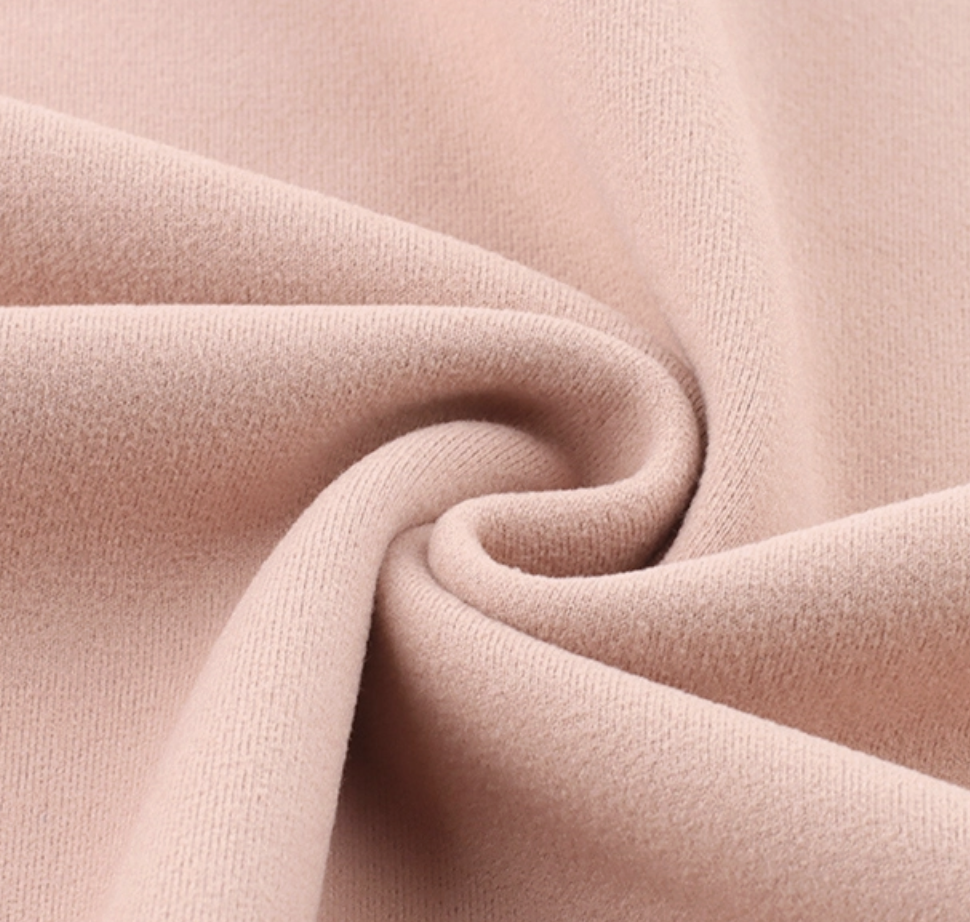
Polar fleece fabric is primarily made from polyester. It is a synthetic polymer created through chemical processing. Manufacturers produce it using petroleum-based raw materials or recycled plastic waste.
Polyester does not grow in nature. We engineer it in factories. They refine crude oil or melt recycled PET bottles. Then they spin the material into fine filaments. Those filaments become yarn. Yarn becomes fabric. Unlike wool or cotton, polyester is not a natural fiber.
Here is how they differ:
| Feature | Polyester | Wool | Cotton |
|---|---|---|---|
| Source | Petroleum or recycled plastic | Sheep fleece | Cotton plant |
| Natural or Synthetic | Synthetic | Natural | Natural |
| Water Absorption | Low | Moderate | High |
| Drying Speed | Fast | Slow | Slow |
| Biodegradable | No | Yes | Yes |
Wool grows from animals. Cotton grows from plants. Polyester is built through chemistry. It repels water. It dries quickly. It resists shrinking and stretching. Wool absorbs moisture. Cotton holds sweat and becomes heavy. Because polyester fibers are hydrophobic, they push moisture away from the skin. We stay drier during activity. That property makes fleece popular in outdoor clothing.
Most polar fleece fabrics are made from 100% polyester. In those cases, yes, it is entirely plastic-based. However, not all fleece is exactly the same. Some versions include blended fibers.
Common fleece compositions include:
100% Polyester Fleece – standard polar fleece
Polyester + Spandex – added stretch for flexibility
Polyester + Cotton – softer feel, less technical performance
Blended fleece changes how it behaves. Spandex adds elasticity. Cotton adds softness but reduces moisture resistance.
| Fleece Type | Fiber Content | Performance Level | Common Use |
|---|---|---|---|
| Standard Polar Fleece | 100% Polyester | High warmth, quick-dry | Jackets, blankets |
| Stretch Fleece | Polyester + Spandex | Flexible, athletic fit | Activewear |
| Cotton Blend Fleece | Polyester + Cotton | Softer, less moisture control | Casual sweatshirts |
You may also hear terms like microfleece or sherpa fleece. Microfleece uses very fine polyester fibers. It feels thinner and lighter. We often see it in base layers. Sherpa fleece uses thicker yarn and a longer pile. It looks like sheepskin. It still relies on polyester as the core fiber.
Even though fleece can look fluffy like wool, it remains mostly synthetic. The texture changes. The base material usually does not. When we touch fleece, it feels soft and natural. Chemically, it remains polyester built from plastic-derived polymers.
Turning plastic bottles into soft fleece sounds surprising. Yet manufacturers follow a clear industrial process. We start from discarded PET bottles. They end up as warm fabric.
The journey begins in recycling centers. Workers collect used PET bottles from households and businesses. They separate PET from other plastics. Not every bottle qualifies.
Sorting matters. Clear bottles stay separate from colored ones. This helps control final fabric color.
Before processing, they remove:
Plastic caps
Labels
Adhesives
Dirt and debris
Only clean PET moves forward. Contaminated material lowers fiber quality. Recycling systems rely on proper separation at this stage.
| Action | Purpose |
|---|---|
| Bottle collection | Gather raw PET material |
| Sorting by type and color | Maintain consistent fiber output |
| Removal of caps and labels | Eliminate non-PET components |
At this point, we still see bottles. They just look cleaner and organized.
Next, machines wash the bottles thoroughly. They use hot water and industrial detergents. This removes glue residue and leftover liquids. After washing, grinders break the bottles into small pieces. These pieces are called plastic flakes.
They look like tiny clear chips. Light in weight. Easy to process. Factories wash the flakes again. Extra cleaning ensures purity. Sterilization reduces bacteria and contamination risks. This stage transforms bulky bottles into manageable raw material.
The clean PET flakes move into melting units. High heat turns them into liquid plastic. That liquid gets formed into small pellets. Pellets provide uniform input for fiber production. Next comes extrusion.
The melted PET passes through metal plates called spinnerets. Each spinneret contains tiny holes. Liquid plastic flows through them and forms thin filaments. Those filaments cool quickly. They solidify into fine synthetic fibers.
Manufacturers then:
Stretch the fibers for strength
Crimp them to add texture
Twist them into yarn
We now have polyester yarn. It no longer resembles a bottle.
The polyester yarn feeds into knitting machines. These machines construct fabric in large rolls. At this stage, the material feels smooth and flat. It does not yet feel like fleece. To create the signature softness, factories use a process called brushing or napping. Rotating cylinders pull tiny fibers outward from the fabric surface. This forms a fluffy pile.
That raised pile traps air. Air holds body heat. Warmth increases without adding weight. After brushing, manufacturers shear the surface. Shearing trims uneven fibers. It creates consistent pile height across the fabric.
Here’s how Step 4 changes the fabric:
| Process | Result |
|---|---|
| Knitting | Forms base fabric structure |
| Brushing (Napping) | Creates soft, fuzzy texture |
| Shearing | Produces even, uniform surface |
At this point, the material feels soft and warm. It behaves like fleece. Yet chemically, it remains PET plastic reshaped through heat and engineering.
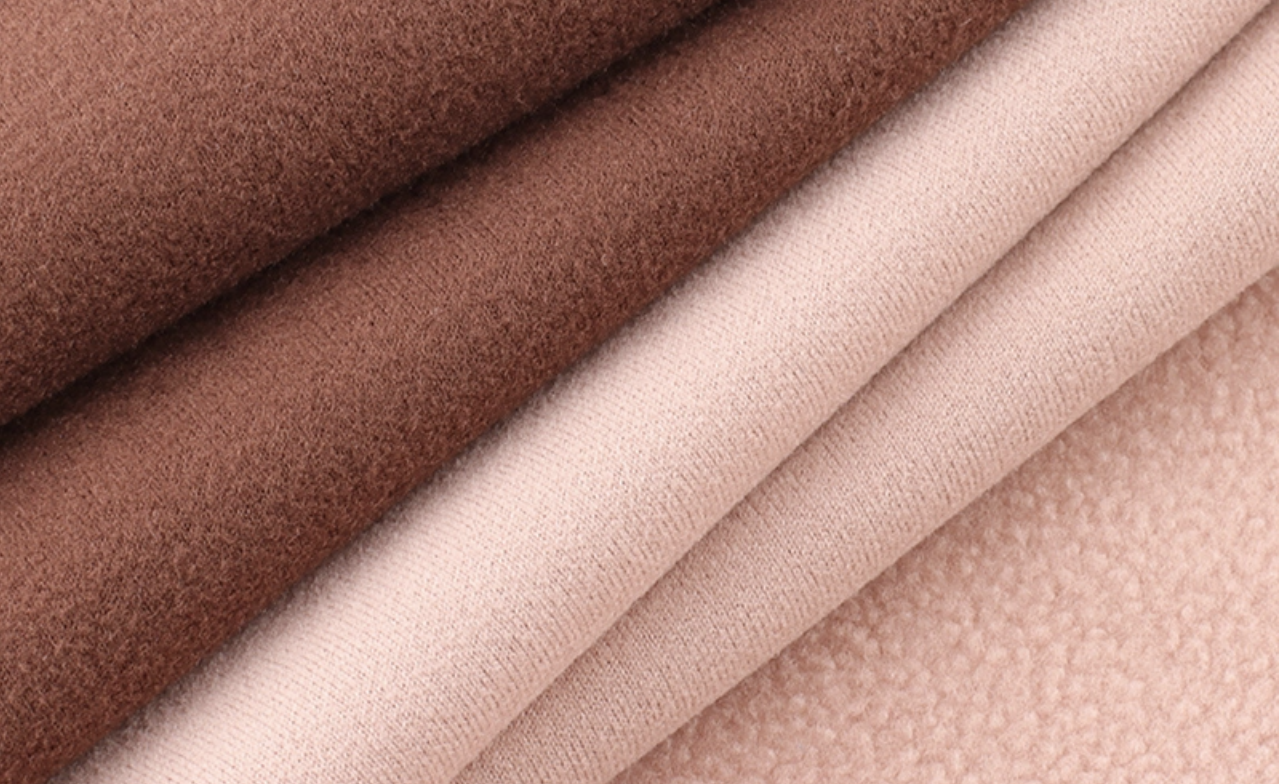
Polar fleece delivers strong warmth without heavy weight. Its brushed pile lifts tiny fibers from the surface. Those fibers trap air. Air holds body heat close to us. More trapped air means better insulation. Less fabric mass means less bulk.
| Fabric | Weight | Insulation Level | Bulk |
|---|---|---|---|
| Wool | Medium–Heavy | High | Moderate |
| Cotton | Medium | Low when wet | Moderate |
| Polar Fleece | Light | High for its weight | Low |
We stay warm without feeling weighed down. That balance makes it popular for outdoor wear.
Polyester fibers are hydrophobic. They repel water rather than absorb it. Sweat moves outward and evaporates quickly. Cotton absorbs moisture and stays damp. Fleece dries fast, which improves comfort during activity.
Key benefits:
Low water absorption
Quick-drying performance
Retains insulation when damp
Reduces post-sweat chill
This explains why polar fleece is common in sportswear and layering systems.
Polyester resists shrinking and stretching. We can machine wash fleece repeatedly. It keeps its shape under normal care. Wool may shrink. Cotton can lose structure over time.
| Fabric | Cost Level | Care Needs | Durability |
|---|---|---|---|
| Wool | Higher | Delicate | Long-lasting |
| Cotton | Moderate | Easy | Moderate |
| Polar Fleece | Lower | Easy wash | Durable |
Large-scale polyester production reduces manufacturing cost. That makes fleece affordable.
Many fleece products use recycled PET. Old plastic bottles become new polyester fibers. This reduces landfill waste and lowers demand for virgin petroleum.
Environmental advantages include:
Reusing plastic waste
Cutting landfill volume
Supporting circular textile systems
We turn disposable plastic into wearable fabric.
A: Most polar fleece is 100% polyester, which is a type of plastic called PET (Polyethylene Terephthalate). However, some fleece fabrics are blended with small amounts of spandex for stretch or cotton for softness. Standard polar fleece jackets and blankets are typically fully synthetic.
A: No, fleece is not biodegradable because it is made from polyester plastic. Unlike wool or cotton, it does not naturally break down in soil. It can take many years to decompose.
A: Fleece feels like wool because manufacturers brush the fabric surface. This process creates a soft, fluffy pile that traps air, similar to natural wool fibers.
A: On average, about 20–30 recycled plastic bottles are used to produce one fleece jacket, depending on its size and thickness.
Polar fleece may feel soft like wool, but it is a synthetic fabric made from plastic fibers. Thanks to modern recycling technology, many fleece products now use recycled PET bottles.
At Shaoxing Lanfex Import and Export Co., Ltd., we supply high-quality polyester fleece fabrics and support sustainable textile solutions for global buyers.


