

Views: 0 Author: Site Editor Publish Time: 2026-01-23 Origin: Site
Cold weather travel can be tough if your clothes don’t keep you warm. Choosing the right warm fabric for cold weather travel matters more than piling on layers. Fabrics need to trap heat, manage moisture, breathe, and pack easily. This guide covers the best options—from merino wool and down to synthetics and silk—so you stay warm, dry, and comfortable on every trip.
When traveling in cold weather, warmth is not just about piling on heavy clothes. What really matters is how a fabric manages heat, moisture, and movement while you’re on the go. Let’s break down what actually makes a fabric feel warm — and why some bulky clothes fail in real travel conditions.
Many people assume thicker fabrics equal more warmth. They don’t. Warmth depends on how a fabric traps heat and responds to your body.
| Term | What It Really Means |
|---|---|
| Insulation | How well a fabric traps warm air close to your body |
| Heat retention | How long that warmth stays without escaping |
| Thermal regulation | How well it adapts when your body heats up or cools down |
A thick fabric can feel warm at first. But if it traps sweat or blocks airflow, it often makes you colder later. Wet fabric steals heat fast. That’s why some lightweight materials outperform heavy ones during travel. Merino wool is a good example. It looks thin. It still holds warmth. It also releases excess heat when you move. Heavy cotton does the opposite. It absorbs moisture. It stays cold. It feels bulky. Warmth comes from air pockets, fiber structure, and moisture control, not thickness alone.
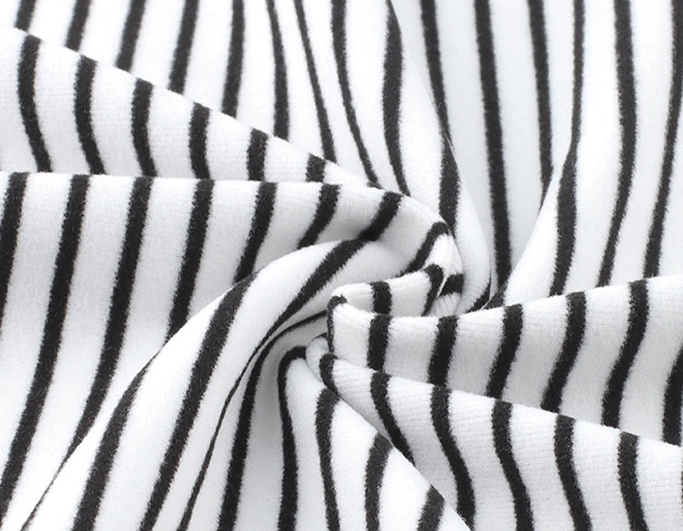
Good insulation traps body heat without weight. Wool, down, and modern synthetics create tiny air pockets. These pockets slow heat loss while keeping layers light. Even thin garments can deliver strong warmth if the insulation is well designed. This allows easier layering without bulk or restriction.
Cold travel still causes sweating. Walking fast. Carrying bags. Climbing stairs. If fabric holds moisture, warmth disappears. Fast-wicking fabrics pull sweat away before it cools your skin. This keeps your body dry and prevents sudden chills during rest periods.
You heat up. You stop. You cool down. Breathable fabrics release excess heat. They help your body stay stable instead of swinging between hot and freezing. Balanced airflow reduces the need to constantly add or remove layers.
Laundry access is limited. Odor builds fast. Natural fibers like wool resist odor. Many synthetics don’t. This matters on long trips or back-to-back wear days. Odor-resistant fabrics allow fewer packed items without sacrificing comfort or freshness.
Travel clothes get stuffed. Rolled. Compressed. Wrinkle-resistant fabrics bounce back. They pack smaller. They look wearable straight from the bag. This saves time and avoids the need for ironing or steaming on the road.
Sinks replace washing machines. Radiators replace dryers. A good travel fabric dries overnight. A bad one stays damp for days. This alone can ruin a packing plan. Quick-drying materials make hand washing practical during extended trips.
Backpack straps rub. Seat edges scrape. Repeated wear happens. Durable fabrics resist pilling, thinning, and tearing. Blends often last longer than pure natural fibers. Higher durability means fewer replacements and better performance over long-term travel.
Choosing the right fabric matters more than adding extra layers. Some materials trap heat efficiently, while others manage sweat, odor, and repeated packing stress. For cold weather travel, the best fabrics balance warmth, comfort, and real-world practicality.
Merino wool behaves very differently from traditional wool. Its finer fibers bend easily, feel soft on skin, and avoid the scratchy texture many travelers hate. It provides steady warmth without overheating, making it reliable across changing conditions.
Why merino outperforms traditional wool
Finer fiber diameter reduces itch and irritation
Better elasticity helps garments recover after packing
Merino regulates temperature naturally. It keeps us warm in cold air but releases excess heat indoors or during movement. This adaptability makes it ideal for travel across mixed climates and unpredictable days.
Odor resistance for long trips
Slows bacterial growth
Allows repeated wear without noticeable smell
Lightweight construction adds warmth without bulk. Merino garments roll small, resist wrinkles, and bounce back fast.
Best uses
Base layers, dresses, sweaters, socks
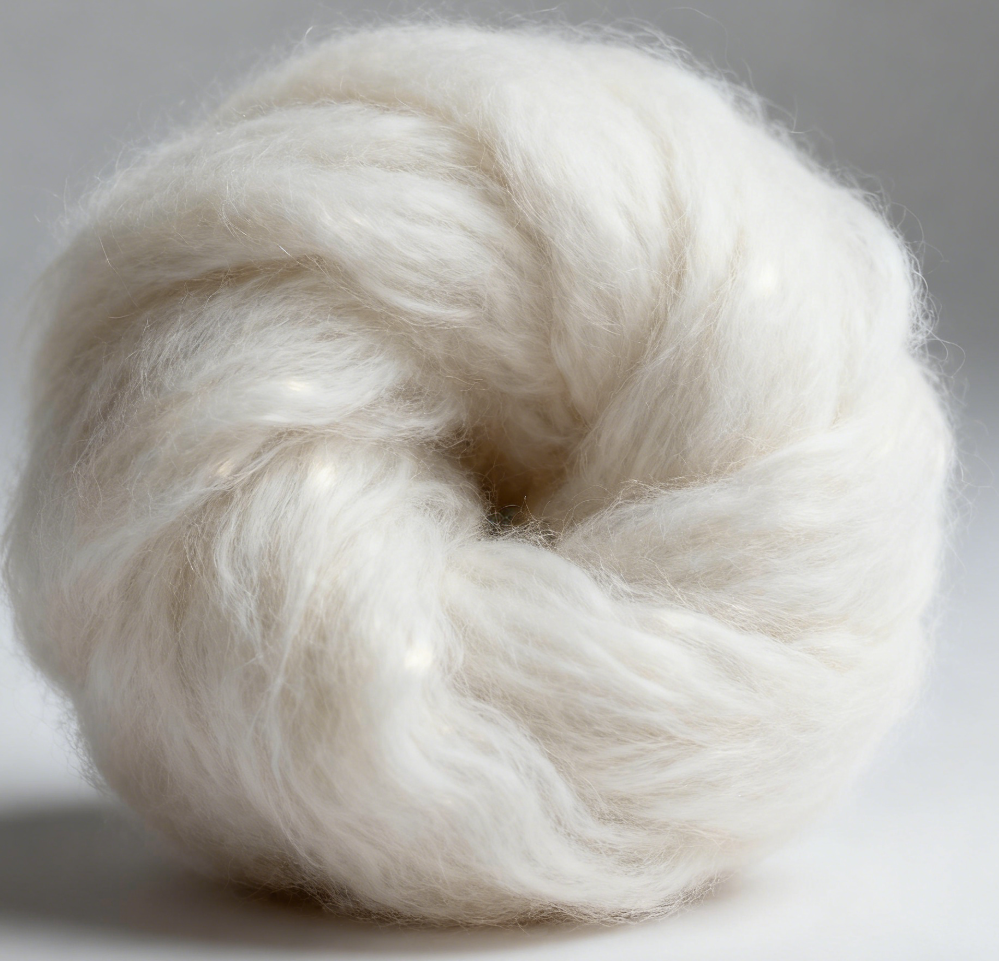
Down remains the warmest insulation per gram available. It creates large air pockets that trap heat efficiently while keeping weight low. This makes it unmatched for cold destinations and long outdoor exposure.
Why down excels
Exceptional warmth-to-weight ratio
Compresses easily for packing
Fill power measures loft efficiency. Higher numbers mean better insulation using less material. An 800-fill jacket warms more efficiently than lower-fill alternatives. Down requires a protective shell. Moisture causes loft collapse, reducing insulation quickly. Shell fabrics block wind and light precipitation, while hydrophobic treatments help in damp climates.
Best uses
Travel jackets
Packable winter coats
Ethical sourcing matters. Look for Responsible Down Standard certification to ensure humane practices.
Modern performance synthetics differ greatly from cheap fast-fashion polyester. Engineered fibers mimic down structure while retaining insulation even when wet or compressed.
Why synthetics work for travel
Maintain warmth in damp conditions
Dry quickly in hotel or hostel settings
They resist wrinkles and hold shape well, making them easy to pack. Odor builds faster than wool, and breathability varies, so ventilation helps during active travel days.
Best uses
Travel pants
Insulated jackets
Fleece mid-layers
Silk adds surprising warmth for its thin profile. It forms a light insulating barrier that keeps heat close to skin, making it useful under heavier layers. It manages moisture gently and feels comfortable during low to moderate activity. Durability remains a limitation. Friction and abrasion wear silk down quickly, especially under backpacks.
Best uses
Base layers in mild to cold climates
These plant-based fibers focus on comfort rather than insulation. They feel smooth, drape well, and improve overall wearability in cold-weather travel clothing. They often appear in blends. Combined with wool or polyester, they soften texture and enhance breathability. Insulation stays moderate, but temperature regulation improves noticeably.
Best uses
Travel tops
Base layers
Blended cold-weather garments
| Fabric Type | Warmth | Odor Control | Wet Performance | Packability |
|---|---|---|---|---|
| Merino Wool | High | Excellent | Moderate | High |
| Down | Very High | Low | Poor | Excellent |
| Synthetic Insulation | High | Low | Excellent | High |
| Silk | Moderate | Moderate | Low | Excellent |
| Modal / Tencel | Low | Moderate | Moderate | High |

Cotton feels soft and familiar, but for cold weather travel fabrics, it performs poorly. It absorbs sweat and moisture quickly, then holds it for hours. Once damp, cotton loses warmth and draws heat away from the body, especially in windy or low-activity conditions.
Drying is slow indoors, making it impractical for hotels or hostels. Cotton also wrinkles easily and packs bulky, taking up more luggage space than technical warm fabrics. For cold weather travel, cotton’s moisture retention, heat loss, and bulk make it one of the least reliable options.
Denim blocks wind but adds weight and restricts movement. Wet denim takes days to dry and feels stiff, reducing warmth rather than preserving it.
Packed in a suitcase, denim folds bulky and compresses poorly. Compared to modern warm fabrics for travel, denim limits flexibility and packing efficiency.
Linen and viscose are ideal for heat, not cold. They provide minimal insulation, letting cold air pass through even in layers.
These fabrics wrinkle easily and lose shape during travel. Viscose weakens when wet, and both wear down quickly from friction. For cold weather travel clothing, their poor insulation, fragility, and maintenance make them unreliable.
| Fabric | Warmth | Drying Speed | Packability | Travel Risk |
|---|---|---|---|---|
| Cotton | Low | Very Slow | Poor | High |
| Heavy Denim | Moderate | Slow | Poor | Medium |
| Linen | Very Low | Fast | Poor | High |
| Viscose | Low | Slow | Moderate | High |
Cotton is not recommended. It absorbs moisture, dries slowly, and loses heat when wet. Even layered, cotton becomes bulky, wrinkled, and cold.
Use down for outer layers, especially in very cold, dry environments. Down offers the highest warmth-to-weight ratio and compresses easily for packing. Avoid wet conditions or pair down with a waterproof shell.
Yes. Modern polyester, nylon, and synthetic fills perform well in wet or active conditions. They dry quickly, resist wrinkles, and maintain insulation even when damp, making them practical for layering and versatile trips.
Silk works as a light base layer in mild to moderately cold climates. It adds warmth without bulk and feels smooth on the skin, but it’s fragile and wears down faster under friction or heavy backpacks.
These plant-based fabrics are soft, breathable, and comfortable. They are usually blended with wool or synthetics to improve drape and feel. Alone, they provide minimal insulation but help regulate temperature and reduce irritation.
The right fabrics make winter travel easier. Merino wool, down, and quality synthetics keep you warm, dry, and flexible, while lightweight silk or Tencel adds comfort. For reliable, travel-ready fabrics, Shaoxing Lanfex Import and Export Co., Ltd. provides high-quality textiles designed for warmth, durability, and easy care, helping travelers stay cozy in cold conditions.


