

Views: 0 Author: Site Editor Publish Time: 2026-01-29 Origin: Site
Elastane Fabric is a stretchable and versatile material that has transformed modern apparel. Loved for its elasticity, it blends seamlessly with cotton, polyester, or viscose to create garments that move with your body. From sportswear and leggings to casual tops and swimwear, elastane fabric delivers comfort, shape retention, and performance. Curious how it works and why it’s so widely used? In this guide, we’ll explore types, applications, pricing, and care tips for elastane fabric, helping you choose the perfect stretchable material for every wardrobe need.
Elastane fabric comes in several blends, each suited to different clothing needs. They all share stretch and comfort but vary in feel, durability, and style. Let’s explore the most common types.
Cotton elastane combines breathable cotton fibers and stretchy elastane. It’s perfect for everyday wear. You’ll find it in t-shirts, jeans, underwear, and casual tops. It hugs the body gently without feeling tight. Stretch helps garments retain their shape after washing. Soft, skin-friendly, and comfortable, it’s a favorite for daily use.
Polyester elastane blends strength and flexibility. It’s ideal for sportswear, leggings, and high-performance garments. They move with your body during workouts and don’t sag easily. It dries quickly, resists wrinkles, and stands up to frequent washing. This fabric keeps athletes comfortable, even during intense activity.
Viscose elastane has a soft, flowing texture. It drapes nicely, making it ideal for dresses, skirts, and blouses. It feels gentle on the skin and stretches just enough to provide a flattering fit. They combine elegance and comfort, giving garments a polished look while letting you move freely.
Two-yarn elastane is common in casual, sporty clothing. Sweatpants, joggers, oversized tops often use it. It balances stretch and structure, giving a relaxed but neat appearance. They are durable, comfortable, and perfect for daily wear or light physical activity.
Other blends include nylon-elastane, modal-elastane, and bamboo-elastane. Nylon-elastane is strong and smooth, ideal for activewear. Modal-elastane feels soft and breathable, often in undergarments or loungewear. Bamboo-elastane offers natural moisture-wicking and eco-friendly benefits. These blends target comfort, performance, and style.
| Type | Uses | Key Features |
|---|---|---|
| Cotton Elastane | T-shirts, jeans, underwear | Soft, breathable, everyday comfort |
| Polyester Elastane | Sportswear, leggings, activewear | Durable, quick-drying, shape retention |
| Viscose Elastane | Dresses, skirts, blouses | Flowing, soft, flattering fit |
| Two-Yarn Elastane | Sweatpants, joggers, casual tops | Stretchy, comfortable, structured |
| Specialty Blends | Loungewear, activewear, eco-friendly wear | Moisture-wicking, soft, performance |
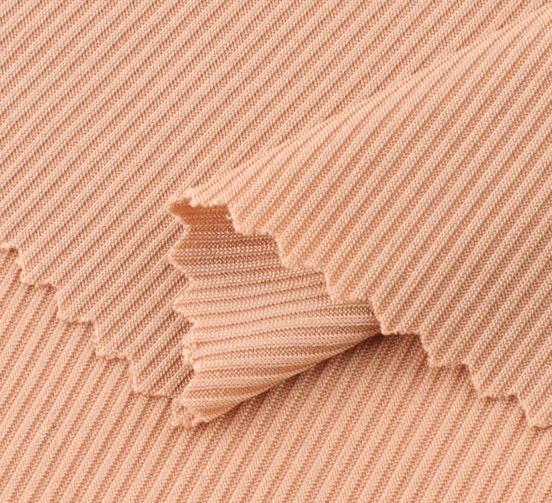
Elastane fabric is incredibly versatile. Its stretch and comfort make it popular across many clothing categories and even home and medical textiles. They move with your body, maintain shape, and feel soft. Let’s look at the main uses.
Elastane is a favorite for activewear. You’ll see it in leggings, sports bras, tops, and tracksuits. It stretches freely, supports muscle movement, and recovers quickly. Athletes love how it fits snugly without restricting motion. Quick-drying performance keeps them comfortable during workouts.
Casual clothing benefits from elastane too. T-shirts, tops, dresses, skinny jeans, and bodysuits all use it. They sit close to the body but don’t feel tight. Stretch allows easy movement while keeping the garment’s shape after repeated washing. Comfort meets everyday style.
Elastane is essential in underwear and lingerie. It gives a snug fit, adapts to body contours, and retains shape over time. Softness makes it comfortable for all-day wear. Snug support helps the garments feel secure but never restrictive.
In swimwear, elastane provides stretchability, UV resistance, and quick-drying properties. It hugs curves without sagging and keeps its shape even after water exposure. Comfort and performance combine for swimming, sunbathing, or sports.
Elastane’s elasticity helps in medical products. Corsets, back braces, knee supports, and wristbands use it to apply stable pressure. It adapts to the body’s shape and allows movement while offering support. Patients feel comfortable while maintaining correct posture.
Even home textiles benefit from elastane. Stretchable sofa covers, mattress protectors, and flexible throws adapt to furniture shapes. They maintain shape, resist sagging, and are easy to install. Comfort meets practicality for daily life.
| Application | Examples | Key Benefits |
|---|---|---|
| Sportswear & Activewear | Leggings, sports bras, tracksuits | Stretch, shape retention, quick-drying |
| Casual Wear | T-shirts, skinny jeans, bodysuits | Comfort, fit, maintains shape |
| Underwear & Lingerie | Briefs, bras, lingerie sets | Snug fit, support, soft feel |
| Swimwear | Swimsuits, bikinis, athletic swim tops | UV resistance, stretch, quick-dry |
| Medical & Orthopedic Textiles | Corsets, knee braces, wristbands | Support, body adaptation, flexibility |
| Home Textiles | Sofa covers, mattress protectors, throws | Shape retention, flexibility, ease |
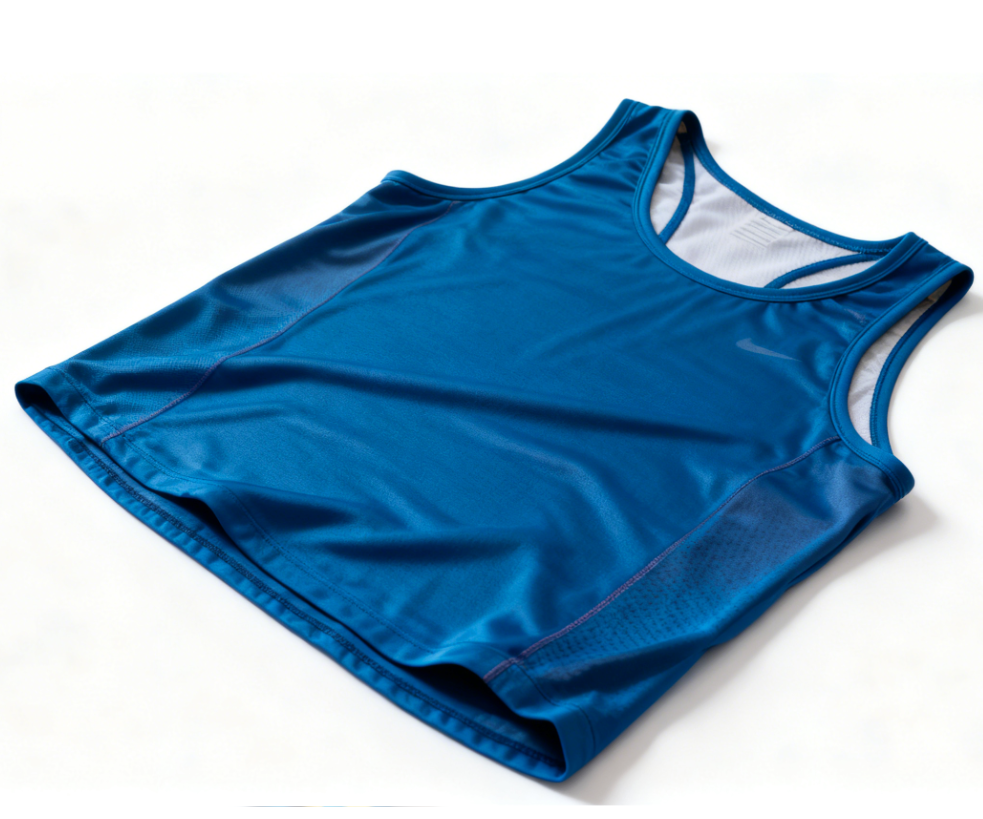
Elastane fabric pricing varies widely. Several technical and commercial factors influence cost. Understanding them helps manufacturers and brands make smart choices. Let’s explore the main elements.
Price depends on blend ratio, fabric weight, colorfastness, and dimensional stability. Higher elastane percentages make fabrics stretchier but cost more. Heavier fabrics use more material, increasing production cost. Fabrics resistant to fading or shrinking require advanced dyeing and finishing techniques.
Key Pricing Factors:
Blend Ratio: More elastane increases elasticity and price.
Fabric Weight: Heavier fabrics cost more raw material.
Colorfastness: Long-lasting colors raise production expenses.
Dimensional Stability: Shrink-resistant fabrics need precise manufacturing.
| Factor | Effect on Price | Why It Matters |
|---|---|---|
| Blend Ratio | Higher ratio increases cost | More stretch and recovery |
| Fabric Weight | Heavier fabric costs more | More raw material per square meter |
| Colorfastness | Advanced dyes raise price | Maintains appearance after washing |
| Dimensional Stability | Special finishing adds cost | Prevents shrinkage and sagging |
Elastane is manufactured globally. Major producers include Turkey, China, India, and Italy. They supply raw fibers and finished fabrics to clothing brands worldwide. Production methods differ slightly in each country, affecting quality, availability, and price.
Top Producing Countries:
Turkey: Strong textile industry, blends for fashion and casual wear.
China: Large-scale production, competitive pricing, wide variety.
India: Growing manufacturing, focus on blended fabrics.
Italy: High-quality fabrics, premium pricing, fashion-focused.
Choosing elastane is a balance between price and performance. Higher-quality fabrics may cost more but last longer and retain shape better. Lower-cost fabrics might save money upfront but stretch out, fade, or lose elasticity faster. Weighing durability, comfort, and functionality helps brands make smart fabric choices for their products.
Considerations for Buyers:
Evaluate how much stretch and recovery the fabric needs.
Check if higher durability justifies increased cost.
Decide between everyday wear, performance apparel, or premium fashion fabrics.
Elastane garments are durable but need proper care. Following a few simple steps helps them maintain stretch, shape, and color over time.
Always wash elastane in low-temperature water. Gentle cycles reduce stress on fibers. Avoid harsh detergents or bleach. They can break down elasticity and dull colors. Hand washing works well for delicate pieces.
Washing Tips:
Use cold or lukewarm water.
Gentle machine cycle or hand wash.
Mild detergent only.
Turn garments inside out.
High heat can damage elastane. Iron at low temperature on the reverse side only. Avoid steam if possible. Tumble drying is not recommended. Instead, lay garments flat or hang them to air dry. This preserves elasticity and prevents sagging.
Ironing & Drying Tips:
Low heat only.
Iron inside out.
Avoid tumble drying.
Air dry flat or hang.
Store elastane garments carefully. Avoid overstretching them on hangers. Prolonged sunlight exposure can weaken fibers. Fold them neatly or use padded hangers for stretchy tops, dresses, or activewear. Proper storage extends the garment’s lifespan.
Storage Tips:
Fold or use padded hangers.
Keep away from direct sunlight.
Don’t overstretch fabric when hanging.
Store in a cool, dry place.
| Care Step | Recommended Action | Why It Matters |
|---|---|---|
| Washing | Low temp, gentle cycle, mild detergent | Protects elasticity, maintains color |
| Ironing | Low heat, reverse side | Prevents fiber damage |
| Drying | Air dry flat or hang | Maintains shape, prevents sagging |
| Storage | Fold or padded hanger, avoid sunlight | Preserves stretch, prevents fading |
A: Elastane itself resists shrinking, but high heat during washing or drying can damage elasticity. Always follow low-temperature care instructions.
A: Yes, but only at low heat on the reverse side. Avoid direct high heat or steam to prevent fiber damage.
A: Cotton, polyester, viscose, modal, nylon, and bamboo blend well. They improve comfort, stretch, and shape retention.
A: Pure elastane is not very breathable, but blends with natural fibers allow airflow and reduce sweating.
A: They are the same fiber. “Elastane” is the European name, “spandex” the American term, and “Lycra” a brand name.
Elastane fabric offers unmatched flexibility and comfort, making it a go-to choice for activewear, casual fashion, swimwear, and even home textiles. Its ability to stretch, recover, and adapt to different blends makes every garment feel tailor-made, keeping you comfortable while looking stylish.
At Shaoxing Lanfex Import and Export Co., Ltd., we specialize in sourcing high-quality elastane fabrics for global brands. Whether you need cotton-elastane, polyester-elastane, or specialty blends, we provide reliable materials that deliver performance, durability, and style for your apparel collections.


