

Views: 0 Author: Site Editor Publish Time: 2026-02-03 Origin: Site
Warm fabric is changing how we experience winter clothing, moving far beyond thick layers and heavy insulation. Today’s smart warm fabric responds to your body, activity, and environment, delivering adaptive warmth exactly when you need it. From outdoor sports and workwear to everyday commuting, this new generation of thermal fabric blends technology, comfort, and style. Curious how smart warm fabric works, what materials power it, and why it outperforms traditional thermal wear? Let’s explore how winter clothing is being transformed.
Smart warm fabric refers to advanced textiles designed to actively manage heat, not just hold it. Unlike traditional winter materials, it reacts to the body or environment in real time.
What makes a fabric “smart”?
It responds to heat, moisture, light, or movement
It adjusts warmth automatically instead of staying static
It often combines materials science, nanotechnology, or conductive fibers
We’re no longer relying on thick padding alone. These fabrics do something when conditions change.
Passive insulation vs active heat generation
Passive insulation traps existing body heat
Active heat generation creates warmth through chemical, photothermal, or electrical reactions
Smart warm fabric often blends both approaches for balanced comfort
Some versions absorb sunlight. Others react to sweat. A few even heat on demand.
Smart warm fabric and traditional thermal fabrics differ in both structure and performance. Traditional thermal fabrics depend on thickness and air pockets to reduce heat loss. Smart warm fabric combines insulation with active thermal response, allowing it to adapt better to changing conditions.
Key differences include:
Insulation vs heat generation: traditional thermals trap body heat, while smart warm fabric can generate warmth from sunlight, moisture, or energy input.
Weight and bulk: smart warm fabric delivers warmth with thinner layers, improving comfort and mobility.
Activity performance: traditional thermals work best during movement, while smart warm fabric remains effective during low-activity periods.
Durability: many smart warm fabrics maintain performance after repeated washing and resist compression better than padded insulation.
This contrast explains why smart warm fabric is becoming a core material in modern winter clothing.
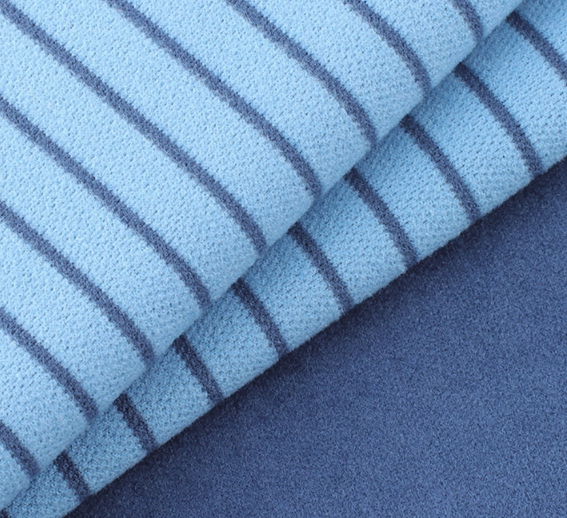
Smart warm fabric works by managing heat in three key ways: absorption, storage, and conversion. Instead of only slowing heat loss, it interacts directly with energy around us. It takes heat in, holds it when needed, then releases it at the right moment. The fabric, the body, and the environment are always interacting. When we move, sweat lightly, or step into sunlight, the fabric responds. When temperatures drop, it adjusts again. This constant feedback loop helps maintain comfort across changing conditions.
Energy can come from several sources, depending on the fabric design:
Body heat, captured and redistributed
Moisture, released through sweat during movement
Sunlight, converted into thermal energy
Electricity, supplied by small batteries or power units
Many smart warm fabrics combine more than one source, which improves flexibility across activities and climates.
Moisture-activated heating relies on exothermic reactions. When sweat contacts specially engineered fibers, a chemical reaction occurs. Heat is released as moisture is absorbed. This mechanism works especially well for activewear and base layers. We move, we sweat a little, and the fabric responds by warming up. It feels natural and automatic.
There are limits, though:
It performs best during movement
Dry environments reduce effectiveness
Static use offers less warmth
Photothermal smart warm fabric converts light into heat. Sunlight hits the fabric. Embedded materials absorb it. Thermal energy follows. Nanoparticles and photothermal polymers play a key role here. They improve light absorption and speed up heat conversion, even in low winter sunlight.
Main advantages include:
No batteries required
Lightweight construction
Continuous heating outdoors
This approach works best in open environments where sunlight is available.
FIR fabrics emit far infrared energy after absorbing body heat or ambient warmth. This energy penetrates slightly beneath the skin surface, creating deeper warmth.
It supports:
Improved blood circulation
Gentle muscle relaxation
Long-lasting comfort
Many FIR fabrics use natural mineral additives, such as volcanic minerals or ceramic particles. They stay effective without power or moving parts.
Electrically heated fabrics use conductive fibers or thin heating elements woven directly into the textile. A small battery provides power. Heat spreads evenly across key zones.
Modern systems offer:
Adjustable temperature settings
Lightweight battery packs
Automatic shut-off protection
Safety has improved significantly. Flexible wiring, lower voltage, and better insulation reduce overheating risks during daily use.
PCM-based smart warm fabric focuses on temperature regulation, not direct heating. These materials absorb heat when temperatures rise and release it when temperatures fall.
They act like thermal buffers:
Store excess heat during activity
Release warmth during rest periods
| Feature | PCM Smart Warm Fabric |
|---|---|
| Heat type | Stored and released |
| Response speed | Gradual |
| Best use | Daily wear, layering |
| Power needed | None |
PCM works well for people moving between indoor and outdoor environments where temperatures shift often.
Aerogel often earns the name “super insulator” for good reason. It contains mostly air, trapped inside a nano-scale structure. Heat struggles to move through it. That simple idea creates powerful warmth. These fabrics deliver insulation without heavy padding. They stay light, even when layered. Compression resistance also matters here. When we sit, move, or pack gear, aerogel-based textiles keep their thermal performance.
They are already used in demanding conditions:
Polar and high-altitude gear
Technical outerwear for climbers
Lightweight insulated jackets for winter sports
Aerogel makes sense when warmth, mobility, and packability all matter.
Nanoparticles give smart warm fabric its active behavior. Conductive particles help distribute heat. Photothermal particles absorb light and convert it into warmth. These particles are embedded directly into fibers, not just coated on the surface. That improves durability and washability. It also keeps the fabric soft and stretch-friendly.
Some nanoparticle systems add visual feedback:
Color shifts as temperature changes
Patterns appear under sunlight
Heat zones become easy to see
| Feature | Nanoparticle Fibers |
|---|---|
| Heat response | Fast |
| Wash resistance | High |
| Stretch impact | Minimal |
| Visual feedback | Possible |
This combination supports both function and design freedom.
Sustainability plays a growing role in smart warm fabric development. Brands now look beyond purely synthetic solutions. Bio-based materials offer warmth while reducing environmental impact.
Common examples include:
Coconut charcoal fibers for odor control and heat retention
Mineral-infused yarns for FIR emission
Recycled polymers from plastic waste
Compared to traditional synthetics, these options use fewer virgin resources. They also align better with circular production goals.
| Material Type | Key Benefit | Sustainability Level |
|---|---|---|
| Coconut charcoal | Heat + odor control | High |
| Mineral-infused fibers | FIR warmth | Medium–High |
| Recycled polymers | Lower emissions | High |
As consumers demand responsible winter gear, smart warm fabrics continue shifting toward cleaner material choices.
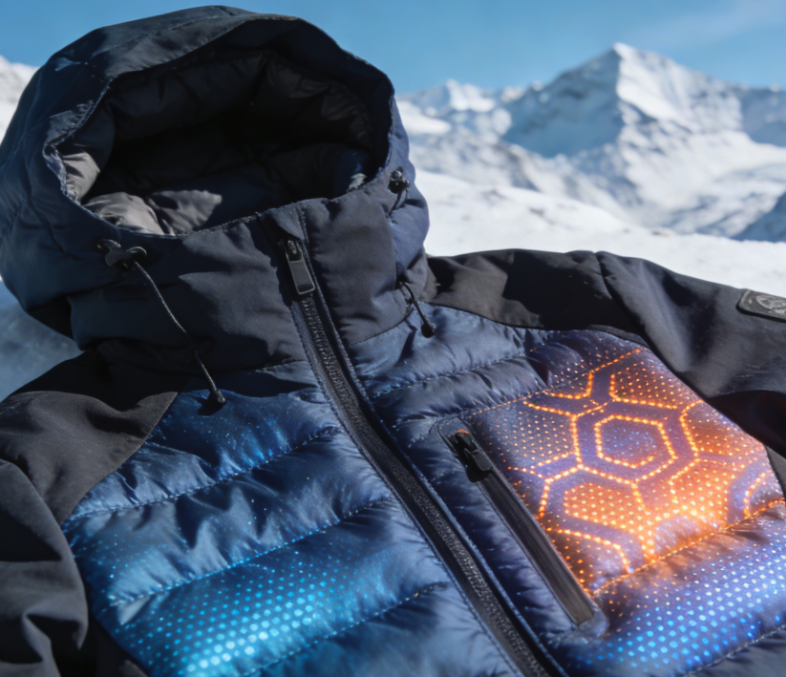
Smart warm fabric already shows up in daily life. We see it on mountains, job sites, clinics, and city streets. It adapts, responds, and keeps warmth where people actually need it.
Cold-weather sports demand warmth without bulk. Smart warm fabric delivers insulation while staying flexible and light. Athletes move freely, even during intense activity.For skiing, hiking, mountaineering, and snowboarding, it helps regulate body heat as conditions change. When the wind rises or snow starts falling, the fabric responds instead of overheating the wearer.
Key benefits for outdoor sports include:
Lightweight warmth that reduces fatigue during long sessions
Better mobility for jumps, climbs, and fast turns
Stable thermal performance in shifting temperatures and moisture
Smart warm fabric works well for layering systems. It traps heat during rest, then releases excess warmth during movement. That balance matters in unpredictable weather.
Outdoor workers face cold for hours, sometimes without movement. Smart warm fabric supports consistent warmth during long inactive periods. It helps reduce discomfort and cold-related risks. Industries like construction, logistics, oil and gas, and outdoor maintenance rely on durable clothing. These fabrics resist compression, bending, and repeated wear on the job.
Practical advantages for workwear:
Maintains warmth during standing or seated tasks
Improves focus and productivity in freezing conditions
Enhances safety by reducing stiffness and cold stress
Many smart warm work garments integrate into jackets, liners, or insulated pants. They keep workers protected without heavy padding slowing them down.
Smart warm fabric also plays a role in healthcare and recovery. It supports circulation, muscle relaxation, and thermal comfort. That matters for patients sensitive to cold. For arthritis, poor circulation, or chronic cold sensitivity, gentle warmth improves daily comfort. Some garments use FIR or temperature-controlled systems to deliver steady heat.
Common medical uses include:
Muscle recovery wraps for sports rehabilitation
Warm garments for arthritis management
Thermal support clothing in clinics and home care
Healthcare providers value fabrics that feel soft, breathable, and reliable. Smart warm solutions meet those needs while staying easy to wear.
Smart warm fabric fits naturally into daily wardrobes. Base layers help commuters stay warm during cold mornings and crowded transport. They feel thin, not bulky. Urban and office wear benefit from discreet insulation. Jackets, sweaters, and trousers look normal while managing body heat in changing indoor and outdoor spaces.
Everyday applications include:
Smart warm base layers for commuting
Office-friendly winter clothing
Fashion-forward designs using adaptive warmth
Designers now blend smart warm fabric into modern styles. It keeps warmth invisible, so fashion and function work together.
| Application Area | Main Benefit | Typical Garments |
|---|---|---|
| Winter Sports | Mobility + adaptive warmth | Base layers, ski jackets |
| Workwear | Long-term insulation | Parkas, insulated trousers |
| Medical | Gentle therapeutic heat | Wraps, undershirts |
| Daily Wear | Comfort and style | Sweaters, coats |
A: Yes. It uses skin-safe fibers and heat-regulating materials designed for long-term contact.
A: Most types are machine washable. Follow care labels to protect performance.
A: Many versions do. They rely on insulation, FIR, or heat-reflective structures.
A: With proper care, it lasts years, similar to high-quality performance apparel.
Smart warm fabric is reshaping winter clothing by making warmth more responsive, lighter, and easier to wear in real life. It adapts as we move, rest, or face changing temperatures, helping clothing work with the body instead of against it. From advanced materials to practical applications, warm fabric now plays an active role in comfort, mobility, and everyday performance.
At Shaoxing Lanfex Import and Export Co., Ltd., we focus on turning these innovations into reliable textile solutions. If you’re exploring next-generation warm fabric for winter apparel, we’re ready to help you bring smarter, more comfortable designs to market.


