

Views: 0 Author: Site Editor Publish Time: 2026-01-19 Origin: Site
Warm fabric selection plays a critical role in winter apparel manufacturing, and it affects comfort, performance, and product value. If you design or produce winter clothing, choosing the right warm fabric can feel complex. Air retention, moisture control, layering systems, and material type all matter. In this guide on how to choose warm fabric for winter apparel manufacturing, we break down natural and synthetic options, explain fabric performance, and share practical insights manufacturers use to create reliable, high-quality winter garments.
Warmth in winter apparel doesn’t come from thickness alone. It comes from how fabrics manage air, moisture, and movement around the body. When we understand these basics, choosing the right material becomes much easier for manufacturers and designers.
How insulation really works
Most fabrics don’t create heat on their own. They trap warm air close to the body and slow heat loss. Still air is the real insulator here. Fabrics like fleece, wool, and down work well because their structures hold many tiny air pockets. Some advanced textiles add reflective layers or chemical finishes, but air trapping remains the core principle.
| Mechanism | How it works | Typical fabrics |
|---|---|---|
| Trapping air | Holds body heat in air pockets | Wool, fleece, down |
| Heat generation | Converts movement or moisture to warmth | Phase-change fabrics, smart textiles |
Heat-generating fabrics exist, but they’re niche. For most winter clothing, insulation efficiency matters more.
Warmth-to-weight ratio explained
We often ask how warm a fabric feels without adding bulk. That’s the warmth-to-weight ratio. Lightweight materials that trap lots of air feel warmer than heavy, dense fabrics. Down and modern synthetics excel here. They keep garments light, flexible, and easier to layer.
The role of fabric structure
Structure controls how air moves and stays inside the fabric. Woven fabrics block wind well, but they hold less air. Knits stretch and trap more warmth. Pile fabrics like fleece increase surface area, boosting insulation. Layered constructions combine different strengths into one system.
Common structures and their effects
Weave: stable, wind-resistant, lower insulation
Knit: flexible, warmer, better air retention
Pile: high loft, strong heat trapping
Multi-layer: balanced warmth, protection, control
Thermal insulation capacity
This defines how well a fabric slows heat loss. High-loft fibers, crimped yarns, and layered systems all improve insulation. We look at how much warmth stays in during long exposure.
Moisture-wicking and sweat management
Warmth disappears fast when fabric stays wet. Good winter fabrics pull sweat away from skin and spread it for faster drying. This keeps body temperature stable during activity.
Breathability and airflow control
Breathability lets excess heat and moisture escape. Too much airflow causes chill. Too little causes overheating. Balanced fabrics manage microclimates instead of sealing everything in.
Windproof and waterproof performance
Cold wind strips heat quickly. Tight weaves, membranes, or coatings block it. Waterproof layers protect insulation from rain and snow, especially in outerwear. Many designs pair waterproof shells with breathable inner layers.
Durability and abrasion resistance
Winter clothing faces friction from backpacks, tools, and repeated washing. Strong fibers and reinforced weaves help garments last longer without losing warmth.
Comfort, softness, and skin feel
If a fabric feels itchy or stiff, people won’t wear it. Soft hand feel, smooth surfaces, and flexible structures matter. Comfort keeps layers on, and layers keep warmth in.
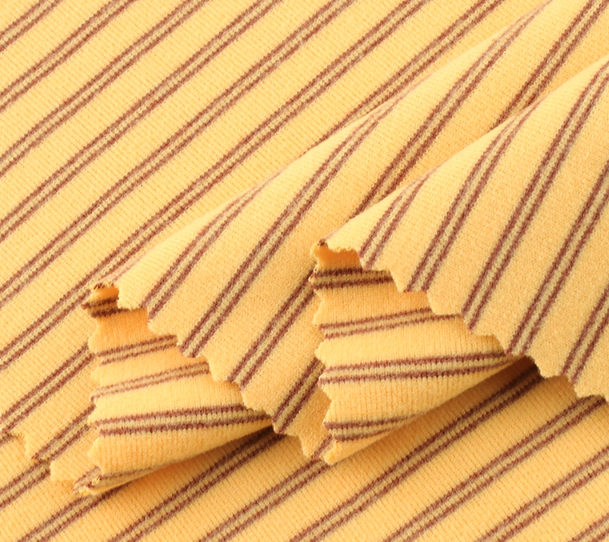
Layering sits at the center of modern winter apparel design. Instead of relying on one bulky garment, we use multiple fabric layers to manage heat, moisture, and protection more precisely. This approach gives manufacturers more control over performance and comfort across changing conditions.
A multi-layer system works because each layer has a clear job. One handles sweat, another keeps heat in, and the outer shell blocks harsh weather. Together, they adapt better than a single heavy jacket. When activity levels change, layers respond faster. They breathe, dry, and insulate more efficiently.
| Approach | Advantages | Limitations |
|---|---|---|
| Multi-layer system | Flexible, lighter, better moisture control | Requires fabric matching |
| Single heavy garment | Simple structure, fewer components | Poor breathability, limited adaptability |
We see layering used widely in outdoor, workwear, and performance apparel. It scales well across climates and user needs.
The base layer sits closest to skin. Its main job is moisture control, not warmth. If sweat stays trapped, the body cools quickly. A good base layer keeps skin dry and comfortable during long wear.
Common base-layer fabrics
Merino wool: Regulates temperature well, resists odor, feels soft
Polypropylene: Very light, fast drying, strong moisture-wicking
Lightweight fleece: Adds slight warmth, stays breathable
| Property | Why it matters |
|---|---|
| Moisture-wicking | Keeps sweat away from skin |
| Odor resistance | Improves wear time, hygiene |
| Comfort | Reduces irritation, improves fit |
We usually avoid cotton here. It absorbs moisture and dries slowly.
Mid-layers store heat. They trap warm air and slow heat loss. This layer often defines how warm the garment feels overall. Designers adjust warmth by changing thickness or material type.
Popular mid-layer materials
Fleece: Microfleece for light warmth, polar fleece for higher insulation
Wool and blends: Natural warmth, stable insulation when damp
Synthetic insulation fabrics: Consistent loft, easy care, good compressibility
Design considerations
Thickness affects warmth directly. Loft controls how much air stays trapped. Compressibility matters for packing and layering comfort. We balance all three depending on garment use.
The outer layer protects everything underneath. It blocks wind, resists rain and snow, and shields insulation from damage. Without this layer, heat escapes quickly in harsh weather.
Common outer-layer fabrics
Oxford fabric: Durable, structured, common in workwear
Polyester and nylon shells: Lightweight, strong, versatile
Duspo: Smooth surface, good wind resistance
Gore-Tex and similar membranes: Waterproof, breathable performance
| Technology | Function |
|---|---|
| PU / TPU coating | Improves waterproofing |
| DWR finish | Repels surface water |
| Laminated membranes | Balances breathability and protection |
Outer fabrics often decide garment lifespan. Abrasion resistance and seam compatibility matter just as much as waterproof ratings.
Natural fibers still play a strong role in winter apparel manufacturing. They offer reliable warmth, familiar comfort, and strong market acceptance. Many brands use them to balance performance, sustainability, and customer trust.
Wool stays popular because it insulates well even in damp conditions. Its fiber structure traps air naturally, helping garments retain body heat. We also like how it adjusts to temperature changes during wear.
| Wool Type | Key Features | Typical Use |
|---|---|---|
| Merino wool | Fine fibers, soft feel, odor resistant | Base layers, activewear |
| Cashmere | Lightweight, high warmth, luxury texture | Premium knitwear |
| Virgin (lamb’s) wool | Strong, elastic, good loft | Coats, sweaters |
Pros and cons in large-scale production
Pros: Renewable fiber, strong insulation, natural breathability
Cons: Higher cost, shrink risk, careful care requirements
Wool fits well in coats, knitwear, and thermal base layers. It scales across fashion, outdoor, and workwear lines.
Cashmere offers excellent insulation at very low weight. It feels warm without bulk, which appeals to premium buyers. Cost remains the main barrier for mass production.
| Factor | Cashmere | Standard wool |
|---|---|---|
| Warmth-to-weight | Very high | High |
| Fiber durability | Moderate | High |
| Material cost | Very high | Medium |
Many manufacturers blend cashmere using wool or synthetics. It lowers cost and improves durability. Target markets often include luxury fashion, gifting, and high-end winter basics.
Cotton behaves differently in cold environments. It absorbs moisture easily and dries slowly. We avoid it for active or extreme cold garments.
Flannel variations in winter apparel
Brushed flannel: Softer surface, better heat retention
Unbrushed flannel: Smoother feel, lower insulation
| Fabric | Suitable Uses | Limitations |
|---|---|---|
| Cotton jersey | Indoor wear, layering | Poor insulation when wet |
| Flannel cotton | Pajamas, casual shirts | Limited cold protection |
Cotton works better in controlled indoor settings or lifestyle winter clothing. It rarely suits technical or outdoor winter apparel.
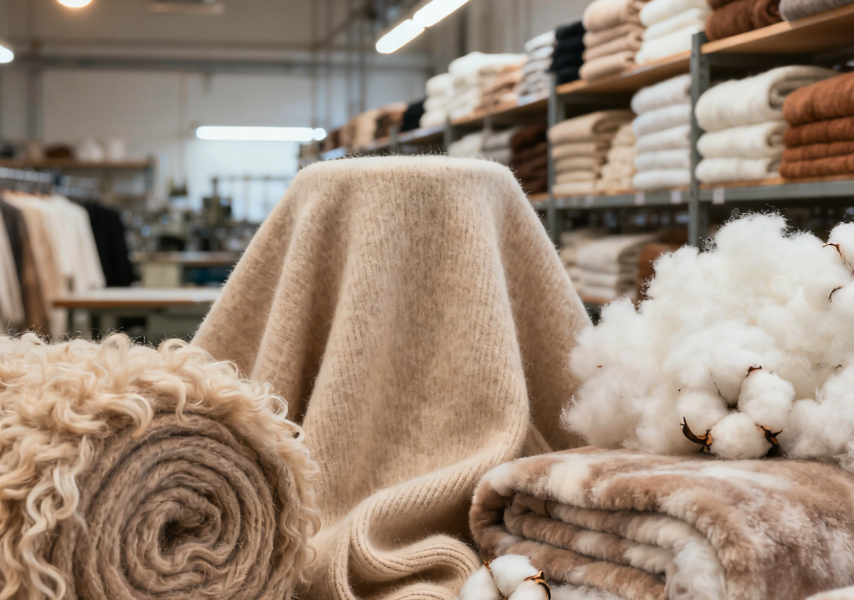
Synthetic fabrics drive modern winter apparel manufacturing. They offer stable quality, predictable costs, and strong performance in demanding conditions. Many factories rely on them for workwear, outdoor gear, and large-volume orders.
Polyester dominates winter workwear and outerwear production. It performs well in cold, wet, and high-wear environments. We choose it because it stays consistent across batches and seasons.
Why manufacturers prefer polyester
Strong fiber strength, low breakage during sewing
Low moisture absorption, faster drying
Cost efficiency for mass production
Easy to blend using insulation or coatings
Polyester appears often in jackets, trousers, padded garments, and protective uniforms. It handles repeated washing without losing shape or warmth.
Fleece provides warmth using trapped air rather than heavy material. It feels soft, stays light, and works well inside layered systems.
| Fleece Type | Thickness | Typical Use |
|---|---|---|
| Microfleece | Thin | Linings, light mid-layers |
| Polar fleece | Thick | Thermal mid-layers, casual jackets |
Manufacturers like fleece because it cuts cleanly and resists fraying. It dries fast but can pill over time. Fleece works best as a mid-layer or inner lining rather than a shell fabric.
Oxford fabric uses a basket-style weave, often combined using coatings or laminations. This structure improves strength and stability.
Key performance features
High tear resistance
Good wind blocking
Compatible using PU or TPU coatings
| Property | Performance Level |
|---|---|
| Mechanical strength | High |
| Thermal contribution | Medium |
| Weight | Medium |
Oxford fabric suits industrial winter apparel, outdoor jackets, and protective clothing. It handles rough use and keeps structure in cold weather.
Duspo fabric serves as a lightweight shell option. It feels smooth and packs easily. We use it when low weight matters.
Functional properties
Windproof surface
Water resistance after coating
Soft drape for comfort
Common applications include winter jackets, rainproof outerwear, and insulated coats. Duspo pairs well using padding or fleece linings, adding protection without bulk.
A: Wool and down provide the highest insulation. Wool traps air naturally, while down offers the best warmth-to-weight performance.
A: Synthetic insulation and fleece perform better when wet. They dry fast and keep insulation.
A: Wool suits comfort and breathability. Synthetics suit durability, cost control, and wet environments.
A: They use layering systems, high-loft insulation, and lightweight technical fabrics.
A: Workwear favors polyester, Oxford, fleece. Fashion prefers wool, cashmere, flannel.
Choosing the right warm fabric is about balance. Insulation, moisture control, durability, and comfort must work together, not compete. When fabrics are matched correctly to layering systems and real usage conditions, winter apparel performs better and lasts longer. The right material choices also help manufacturers reduce bulk while improving wearability.
If you’re sourcing or developing winter fabrics, Shaoxing Lanfex Import and Export Co., Ltd. supports apparel brands with reliable material solutions and practical manufacturing insight. Let’s talk about how the right warm fabric can elevate your next winter collection.


