

Views: 0 Author: Site Editor Publish Time: 2026-01-22 Origin: Site
Warm fabric is no longer just about staying comfortable in cold weather. It now reflects how we think about sustainability, performance, and long-term value in winter clothing. As brands and consumers rethink material choices, sustainable warm fabric has become a key trend shaping modern winter fabrics. From eco-friendly fibers to high-performance textile systems, these innovations balance warmth, durability, and environmental responsibility. In this blog, we explore why sustainable warm fabrics matter, how they work, and where winter fashion is heading next.
Before asking whether sustainable warm fabric is the future, we need to understand what truly defines it. It is not only about using “green” fibers. It is about how materials are sourced, produced, used, and how they perform in cold conditions.
A fabric is considered sustainable when its entire lifecycle reduces harm to people and the planet. This starts at the fiber level and continues through production, use, and disposal.
1. Fiber origin matters
Natural fibers like wool and hemp grow from renewable sources.
Recycled fibers such as recycled cotton or r-PET reuse existing waste.
Bio-based fibers come from plants or biological processes instead of fossil fuels.
These options lower dependency on virgin raw materials. They also reduce pressure on land and water.
2. Production impact
Sustainable fabrics aim to reduce:
Water consumption
Energy use
Chemical treatments
Carbon emissions
Low-impact dyeing, cleaner finishes, and efficient manufacturing all play a role. It is not just the fiber. It is how the fabric is made.
3. Certifications and traceability
Verified standards help buyers trust sustainability claims. Common certifications include:
| Certification | Focus Area |
|---|---|
| GOTS | Organic fibers and processing |
| GRS | Recycled content verification |
| OEKO-TEX® | Chemical safety |
| RWS | Responsible wool sourcing |
They allow brands and consumers to track materials through the supply chain.
4. Durability and lifecycle
A fabric that lasts longer is more sustainable. When garments resist wear, they are replaced less often. That reduces waste and resource use over time. Longevity matters as much as material choice.
Warmth is not only about thickness. It is about how a fabric manages heat, air, and moisture.
1. Insulation principles
Some fabrics keep warmth by trapping air. Others regulate body temperature. Wool, for example, insulates while adjusting to heat changes. Both methods help in cold weather.
2. Fabric weight vs thermal efficiency
Heavier fabrics are not always warmer. Smart fiber structures can deliver insulation at lower weights. This improves comfort and movement.
3. Breathability and moisture control
Warm fabrics must also release excess heat and moisture. If they do not, the body cools faster. Breathable materials keep warmth stable and skin dry.
4. Comfort and handfeel
Softness, flexibility, and surface texture affect how warm a fabric feels. A comfortable fabric stays close to the body. It works better in real winter conditions.
Together, sustainability and warmth depend on smart material choices, not single features.
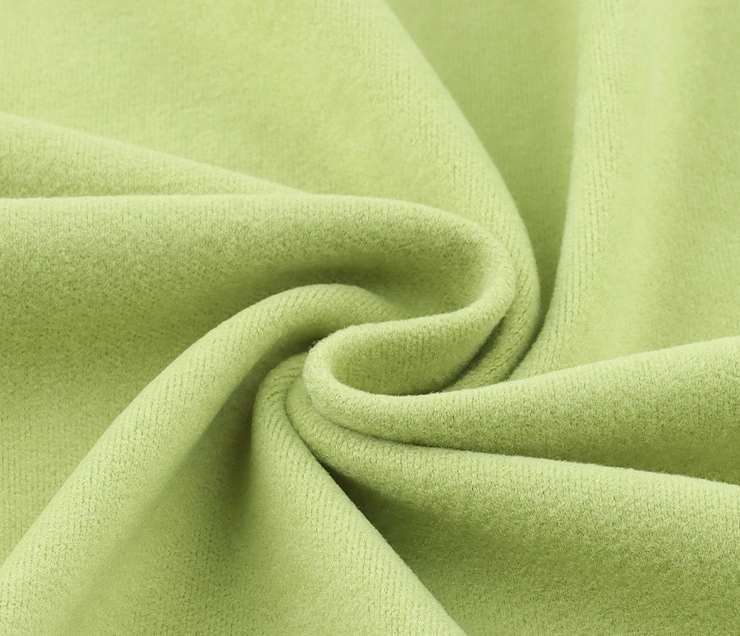
Winter fashion is changing fast. It is no longer enough to feel warm. Fabrics must protect the body and the planet at the same time. Sustainable warm fabrics answer both needs.
Conventional winter fabrics place heavy pressure on the planet. Many fibers depend on energy-intensive processing steps. Cotton farming uses huge volumes of water. Synthetic materials rely on fossil fuels. Together, they drive up carbon emissions and stretch already limited global resources. We feel these impacts across supply chains, not just factories.
Textile waste adds another growing challenge. Short product lifecycles push winter garments into landfills far too quickly. Many items get discarded after only a few seasons. They decompose slowly and release harmful pollutants. Sustainable warm fabrics aim for durability and recyclability. It helps slow the waste loop and reduce long-term environmental damage.
Regulatory pressure keeps rising in major markets. Governments expect real action, not marketing claims. Europe tightens sustainability and traceability rules. North America expands disclosure and reporting requirements. Brands face a clear choice. They adapt to new standards, or they risk losing access to key markets.
| Region | Key Pressure |
|---|---|
| Europe | Circular economy laws, traceability |
| North America | Emissions reporting, material disclosure |
These rules push sustainable materials from option to requirement.
Market behavior also drives the shift toward sustainable winter fabrics. People care more about what they wear and why.
Rising demand for eco-friendly winter wear
Consumers actively search for sustainable warm clothing. They want materials that reduce environmental harm. They expect brands to prove it.
Preference for durability and longevity
Buyers now value garments that last. Fewer purchases. Better quality. Sustainable fabrics support this mindset through stronger fibers and better construction.
Transparency and ethical sourcing
People want answers. Where did it come from? How was it made? Brands using traceable and ethical materials build trust. They gain long-term loyalty.
| Expectation | Impact on Fabric Choice |
|---|---|
| Eco values | Recycled and bio-based fibers |
| Longevity | Strong, resilient materials |
| Transparency | Certified supply chains |
Sustainable warm fabrics meet these expectations naturally.
Sustainable winter fabrics evolve quickly. They now focus on warmth, performance, and lower impact. Below are the most important material trends shaping cold-season textiles.
Natural fibers remain central to sustainable warm fabric development. They regulate temperature well and age gracefully.
Hemp
Hemp performs better than many expect in winter. Its fiber structure traps air. It keeps heat close. It stays breathable during movement. Cultivation needs little water and almost no chemicals. It lasts for years.
Wool and wool blends
Wool adjusts to body temperature naturally. It warms in cold air. It releases heat during activity. When blended, it becomes lighter and easier to care for. Renewability adds strong sustainability value.
Organic cotton for winter layering
Organic cotton works best in mid-layers. It feels soft on skin. It avoids harsh chemicals. When knitted or brushed, it adds gentle warmth without bulk.
| Fiber | Key Benefit | Typical Use |
|---|---|---|
| Hemp | Insulation, strength | Jackets, heavy knits |
| Wool | Thermal regulation | Sweaters, base layers |
| Organic cotton | Comfort | Layering pieces |
Recycled systems turn waste into winter-ready materials. They help reduce resource use and landfill pressure.
Recycled cotton
Recycled cotton comes from pre-used textiles. It keeps a soft handfeel. It reduces water and energy demand. It works well for casual winter wear.
r-PET (recycled polyester)
r-PET uses plastic waste as a resource. It provides strength and insulation. It resists moisture and abrasion. Brands rely on it for outerwear and fleece.
Regenerated cellulosic fibers
Lyocell-based systems start from renewable wood sources. They use closed-loop processing. They feel smooth. They help manage moisture in layered winter clothing.
Single fibers often fall short. Blends solve practical problems.
Why blends perform better
Each fiber contributes something different. One adds warmth. Another improves strength. A third boosts comfort. Together, they work better.
Natural plus recycled combinations
Hemp blended with recycled polyester improves softness. Wool combined with regenerated fibers reduces weight. These systems keep performance stable across climates.
Balancing warmth, durability, comfort
Designers tune blends carefully. They adjust fiber ratios. They control fabric weight. The goal stays simple. Warmth without heaviness. Strength without stiffness. Comfort without compromise.
| Blend Type | Performance Gain |
|---|---|
| Hemp + r-PET | Warmth + durability |
| Wool + lyocell | Regulation + softness |
| Recycled cotton blends | Comfort + stability |
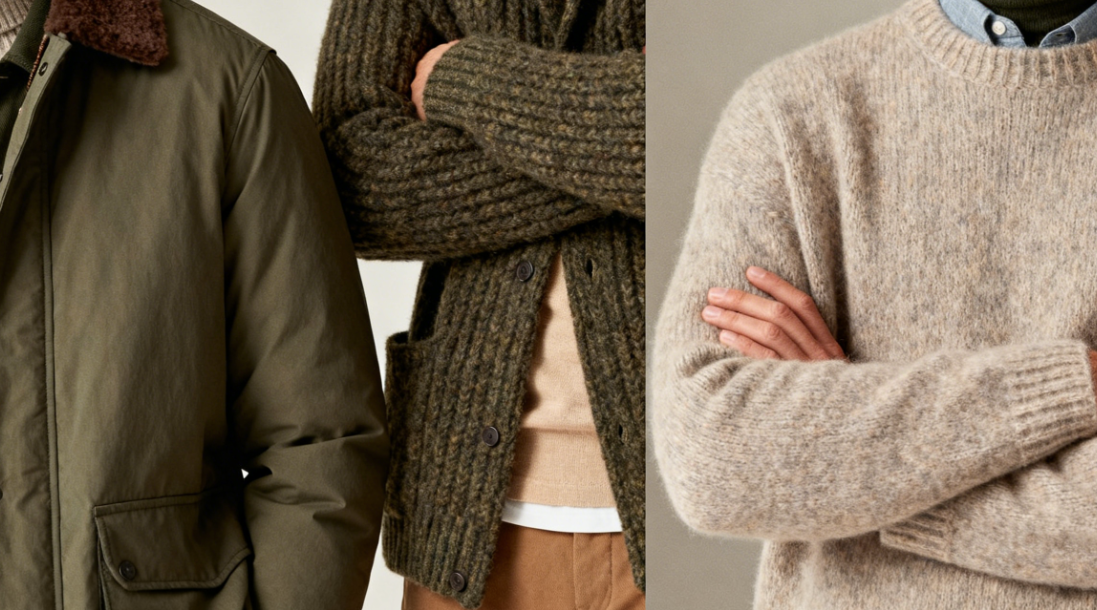
High-performance winter fabrics no longer focus only on warmth. They now manage heat, moisture, and durability in smarter ways. We see materials designed for real winter movement, changing temperatures, and long-term use. It feels practical, not technical, and people notice the difference fast.
Winter conditions change quickly during a single day. These fabrics respond instead of overheating or trapping cold air. They balance body temperature by using fiber structures that store heat when needed, then release it once the body warms up. It works well for both outdoor exposure and indoor transitions.
Breathability plays a key role here. Moisture moves away from the skin, keeping layers dry and light. Dry fibers insulate better, so warmth stays consistent. They help avoid that sudden cold feeling after walking, commuting, or light activity. We see strong demand for these fabrics in active winterwear, city jackets, and everyday layering pieces.
| Performance Feature | Wearer Experience | Sustainability Impact |
|---|---|---|
| Thermoregulation | Stable comfort all day | Longer usable lifespan |
| Breathability | Less overheating | Fewer washes needed |
| Moisture control | Dry, warm feeling | Reduced fabric stress |
Durability now sits at the center of sustainability conversations. Fabrics built to last reduce waste naturally. These winter textiles resist abrasion, hold their shape, and stay reliable after repeated washing. They feel solid without becoming stiff or heavy.
Long-lasting materials lower replacement frequency. Consumers buy less often. Brands deal with fewer returns and complaints. Over time, the cost balances out. The upfront price may look higher, but it spreads across many seasons of wear.
| Fabric Category | Typical Wear Cycles | Replacement Rate |
|---|---|---|
| Standard winter fabrics | Limited | Frequent |
| High-performance sustainable fabrics | Extended | Infrequent |
They handle daily friction, outdoor exposure, and regular care routines. It makes them a practical choice for winter garments expected to work hard year after year.
Yes, many are equally warm or warmer. Smart fiber structures trap air efficiently. Some materials also regulate temperature. It keeps heat stable without relying on heavy or bulky construction.
Common options include wool, hemp, organic cotton, recycled polyester, and regenerated cellulosic fibers. Brands often blend them to balance warmth, durability, and comfort.
Recycled polyester works very well for winter wear. It provides insulation, resists moisture, and holds shape. It is widely used in jackets, fleeces, and outer layers.
Most do not. Many are designed for regular washing and daily use. Durable fibers and blends reduce damage over time. It helps extend garment lifespan without complicated care routines.
They often cost more upfront. Over time, they save money due to longer wear life. Fewer replacements reduce total spending across seasons.
Sustainable warm fabric is clearly reshaping how winter textiles are designed, sourced, and used. It brings warmth, performance, and responsibility into one material system. Instead of choosing between comfort and impact, brands can now deliver both. The shift feels practical, not idealistic, and it aligns well with how people actually wear winter clothing today.
At Shaoxing Lanfex Import and Export Co., Ltd., we focus on developing reliable, performance-driven sustainable winter fabrics for global brands. From fiber selection to fabric engineering, we help partners turn sustainability goals into products consumers trust and wear season after season.


