

Views: 0 Author: Site Editor Publish Time: 2026-01-27 Origin: Site
Elastane fabric is often seen in summer sportswear, stretch shirts, and fitted everyday clothing, but is elastane fabric good for summer heat? Many people want breathable, lightweight, and quick-dry fabrics that stay comfortable in hot weather. In this guide, we explore how elastane blends affect airflow, sweat control, and cooling. You’ll learn when stretch fabrics feel refreshing, when they feel warm, and how to choose the best elastane fabric for summer comfort.
Elastane is a synthetic elastic fibre designed to stretch and recover again and again. Many people know it by brand names like spandex or Lycra. Its main job is simple: it helps clothing move with our bodies instead of fighting against them. Unlike natural fibres such as cotton, elastane is created from a polyurethane-based polymer, which gives it rubber-like flexibility without heavy weight or bulk.
Inside each elastane filament are very long molecular chains. In their relaxed state, these chains sit in a loose, tangled form. When we pull on the fabric, they straighten and slide past each other, allowing the material to extend several times its original length. Once the tension is released, they coil back into their original shape. This constant extend-and-return cycle is why garments keep their fit even after repeated wear.
You can picture the process like this:
| Step | What happens inside the fibre | What we feel outside |
|---|---|---|
| Stretch | Polymer chains line up and lengthen | Fabric expands easily |
| Hold | Chains stay extended under tension | Garment fits snugly |
| Release | Chains recoil to original form | Fabric snaps back |
Because of this structure, elastane adds freedom of movement without sagging knees, baggy elbows, or stretched waistbands.
On its own, elastane is too soft and lacks strength. It stretches well but cannot hold a garment’s full structure. For that reason, manufacturers almost always blend it into other fibres such as cotton, polyester, nylon, or wool. Those partner fibres provide durability, breathability, and surface texture, while elastane quietly supplies the stretch.
Only a small percentage is needed to change how a fabric behaves. Even 2–3% can turn a stiff shirt into a flexible one. Around 5–8% creates a close, athletic fit that follows body movement. Higher levels produce very tight or compression-style garments often used in sports.
| Elastane % in blend | Typical result in clothing |
|---|---|
| 0% | No stretch, rigid shape |
| 2–4% | Light flexibility, comfort |
| 5–8% | Strong stretch, body-hugging |
| 10%+ | Very tight, performance fit |
Blending also protects the elastane itself. Other fibres take most of the friction, heat, and washing stress, which helps the garment last longer. The result is fabric that feels soft, moves easily, resists wrinkles, and keeps its original shape after many wears.
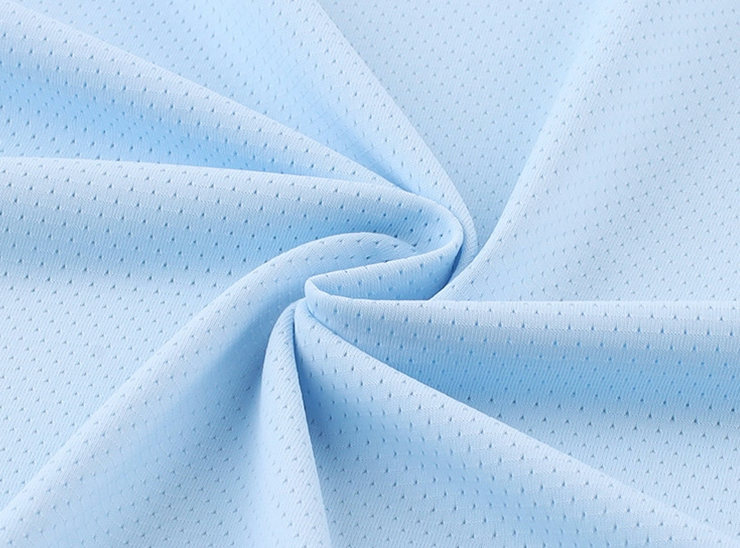
Summer comfort depends on how fabric handles heat, sweat, and movement. Elastane plays a special role here. It rarely works alone. Instead, we find it mixed into other fibres to add stretch and shape control. In hot weather, this stretch can feel amazing or uncomfortable. It all depends on how much is used and how the garment fits.
We move more in summer. We walk, run, stretch, and bend. Elastane lets clothes follow every motion. Nothing pulls or pinches when we stay active. It feels light on the body. No heavy layers. No stiff fabric rubbing skin. It also dries very fast. Sweat or splash water disappears quicker than on many natural fabrics. That makes it popular for gym wear and swim gear. Tight athletic fits become possible without discomfort. It hugs the body but still allows easy movement.
Key benefits in summer use:
Better freedom during sports and outdoor play
Smooth, flexible feel during daily wear
Quick drying after sweat, rain, or swimming
Shape retention after repeated stretching
| Feature | How it helps in summer heat |
|---|---|
| High elasticity | Easy motion during active moments |
| Low weight | Less bulk against warm skin |
| Quick drying | Less damp fabric after sweating |
| Shape recovery | No sagging after long wear |
When blended into performance fabrics, it boosts comfort during intense activity.
Too much elastane can feel warm. It sits close to skin and may hold body heat. Air moves less under very tight garments. It also lacks the natural airflow of cotton or linen. Pure natural fibres often feel cooler in still air. A tight fit reduces ventilation even more. Sweat may stay near skin longer. Problems appear when elastane content climbs too high:
Heat can build under dense stretch fabrics
Breathability drops compared to loose natural cloth
Skin airflow decreases in compression-style fits
| Fabric type | Airflow level | Heat feel on skin |
|---|---|---|
| Loose cotton shirt | High | Cool |
| Cotton + low elastane blend | Medium-High | Balanced |
| High-elastane athletic wear | Low-Medium | Warmer |
So we need balance. A small amount improves comfort. Too much may feel stuffy on very hot days.
When we talk about summer comfort, airflow matters a lot. Sweat needs space to evaporate. Heat needs a path to escape. Elastane helps clothes stretch, yet it does not create many air channels by itself. Its fibres are smooth and dense. Air struggles to pass through them.
So elastane alone does not feel very breathable. It hugs the body closely. That close contact can limit cooling when temperatures rise. Real breathability depends more on fabric structure than on stretch fibre.
Stretch and ventilation often pull in opposite directions. When a fabric stretches, tiny gaps between yarns can shrink. Less space means less moving air.A loose cotton shirt lets wind pass through easily. A tight stretch top blocks more airflow, even if it feels thin. Construction plays a huge role here.
| Fabric structure | How it’s made | Airflow level | Summer feel |
|---|---|---|---|
| Woven, tight | Yarns cross closely | Low | Warmer |
| Woven, loose | Yarns spaced apart | Medium-High | Breezy |
| Knitted, open | Looped yarn structure | High | Cool |
| Knitted, dense | Compact loops | Medium | Balanced |
Knitted fabrics often breathe better than tight weaves. Their looped shape creates small air pockets. Those pockets allow ventilation during movement.When elastane enters the mix, it pulls loops closer together. Stretch improves. Airflow can drop a little. So we should look at both stretch and structure, not just fibre name.
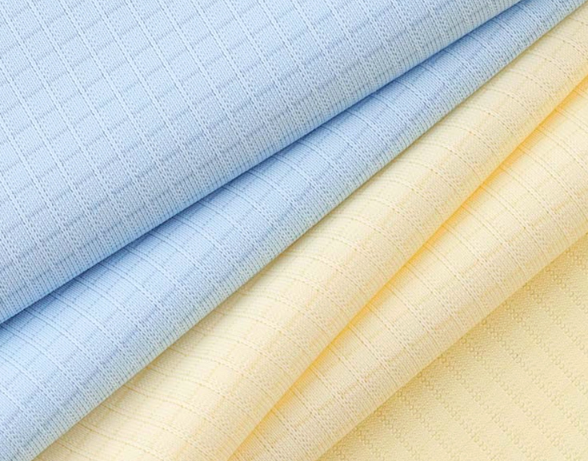
Blends decide how cool elastane clothing really feels. Other fibres create paths for air and moisture. Elastane simply adds flexibility. Different blends behave in different ways.
Elastane + cotton
Soft touch against skin
Better natural airflow
Good everyday comfort in warm weather
Elastane + polyester
Moves sweat away from skin
Dries faster after activity
Keeps a lighter feel during humid days
Elastane + performance synthetics
Designed for sports and high motion
Built to manage heat and moisture
Often includes special knit patterns for ventilation
| Blend type | Main benefit in summer | Best use case |
|---|---|---|
| Cotton + elastane | Soft, breathable comfort | Casual daily wear |
| Polyester + elastane | Moisture control, quick drying | Travel, light exercise |
| Nylon/poly blends + elastane | High stretch, strong airflow | Running, gym, cycling |
We should also check fabric weight and openness. A thin, open-knit blend feels cooler than a thick, dense one. Even if both contain the same elastane percentage. So breathability comes from teamwork between fibres and structure. Elastane adds movement. The partner fibres create the cooling.
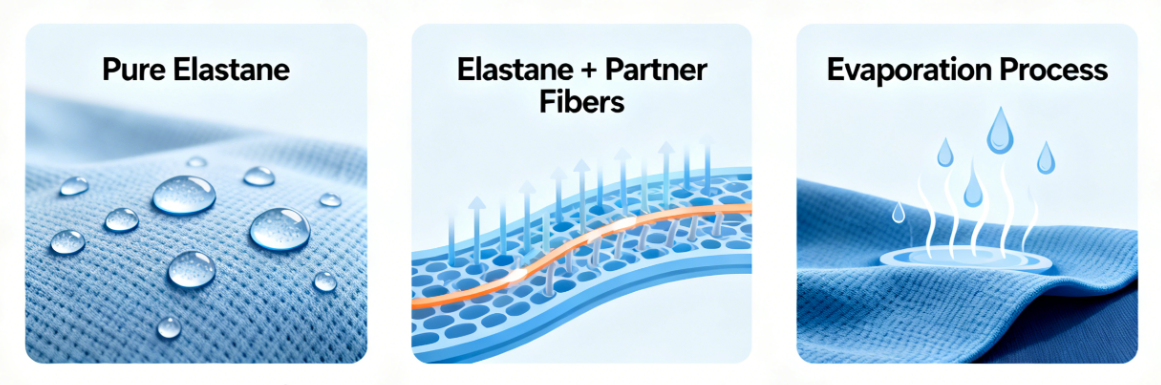
Hot days bring sweat. Active moments bring even more. Good summer clothing should move that moisture away from skin, not let it sit there. Elastane plays a role here, yet it does not handle sweat on its own. It stretches well. It dries fast. Still, it does not absorb much water. Because of this, pure elastane cannot pull sweat away by itself.
On its own, elastane acts almost like a thin elastic film. Sweat stays on the surface instead of spreading through the fabric. That can feel sticky during long wear. When we blend it into other fibres, things change. Those partner fibres create tiny channels. Sweat travels along those paths and spreads out. Then it evaporates faster. This process is what people call moisture wicking.
| Fabric type | Sweat behavior on skin | Drying speed |
|---|---|---|
| 100% elastane | Moisture stays near surface | Fast outside, damp inside |
| Cotton + elastane | Absorbs then slowly releases | Medium |
| Polyester + elastane | Pulls sweat outward | Fast |
| Performance synthetic + elastane | Spreads and evaporates quickly | Very fast |
In blends, elastane adds stretch. The other fibres manage moisture. We get flexible comfort plus better cooling during movement.
Common effects of good summer blends:
Less wet feeling on the body
Faster evaporation after sweating
Reduced cling during activity
Sweat itself has little smell. Odour appears when bacteria grow on damp fabric. Synthetic-heavy materials can trap those smells longer. They do not absorb moisture deeply, so sweat stays near the surface. Cotton blends release smells more easily after washing. Pure performance synthetics may need extra care to stay fresh.
Factors that increase odour build-up:
High synthetic content
Tight fits close to skin
Slow or cool washing cycles
Simple care habits help a lot.
Wash soon after heavy sweating
Use mild detergent, avoid heavy softeners
Choose cooler wash, longer rinse
Air dry when possible
| Care habit | Result for summer wear |
|---|---|
| Quick washing | Less bacterial growth |
| Proper rinsing | Fewer trapped residues |
| Gentle drying | Keeps stretch and freshness |
When we mix the right fibres and clean them well, summer clothes feel drier and smell better through long, hot days.
A: Not always. Small amounts feel fine, especially in light, breathable blends. High percentages in tight, thick fabrics can trap heat and feel warmer.
A: Around 2–8% works best. It adds stretch and comfort without blocking too much airflow.
A: Yes, if it’s blended with breathable fibres and not overly tight.
A: It doesn’t create sweat, but poor breathability can make skin feel wetter.
Choosing summer-friendly stretchwear is really about balance. A small amount of elastane can give your clothes flexibility and shape retention without trapping excess heat, especially when it’s blended with airy fibers like cotton or viscose. Pay attention to fabric structure and fit, and you can enjoy freedom of movement without sacrificing comfort on hot days.
Looking for performance-focused stretch fabrics for your next collection? Shaoxing Lanfex Import and Export Co., Ltd. offers versatile elastane blends tailored for warm-weather wear, helping brands create garments that move easily, feel light, and stay comfortable from morning to night.


