

Views: 0 Author: Site Editor Publish Time: 2026-02-12 Origin: Site
Polar fleece fabric is often linked to cold weather, but is polar fleece good for summer? Many people assume fleece is always too warm, yet lightweight versions can perform surprisingly well in certain summer conditions. In this guide, we explore when polar fleece works in warm weather, which types are summer-friendly, and how breathability and moisture control affect comfort. If you’re choosing fabrics for travel, camping, or outdoor wear, this breakdown will help you decide wisely.
Polar fleece is a polyester-based synthetic fabric made from plastic polymers, usually PET. Manufacturers melt the plastic, spin it into fine fibers, knit them into fabric, then brush the surface to create a soft texture. That brushed finish traps air and provides warmth without heavy weight.
Polyester is fully man-made. It does not come from plants like cotton or animals like wool. We create it through a chemical process that forms strong, flexible fibers. Because of this structure, polar fleece is lightweight, wrinkle-resistant, and durable.
It does not absorb much moisture. Instead, it moves moisture outward so it can evaporate faster. That design helps fleece feel dry during light activity.
Key performance benefits of polyester in polar fleece:
Lightweight yet insulating
Quick drying after washing or sweating
Resists shrinking and stretching
Holds color well
Durable for repeated wear
Polyester plays a major role in how polar fleece performs. It gives the fabric strength, helping it resist tearing, shrinking, and fading. It keeps its shape after repeated washing, which makes maintenance simple.
It also allows manufacturers to engineer different fabric weights and textures. They can create lightweight microfleece for layering or thicker fleece for colder environments. That flexibility makes it useful across seasons.
Because it is synthetic, it handles friction well. It performs reliably during hiking, camping, and daily wear. It resists wrinkling, dries quickly, and maintains color even after sun exposure. Those qualities make polyester-based polar fleece practical, especially when performance and durability are priorities.
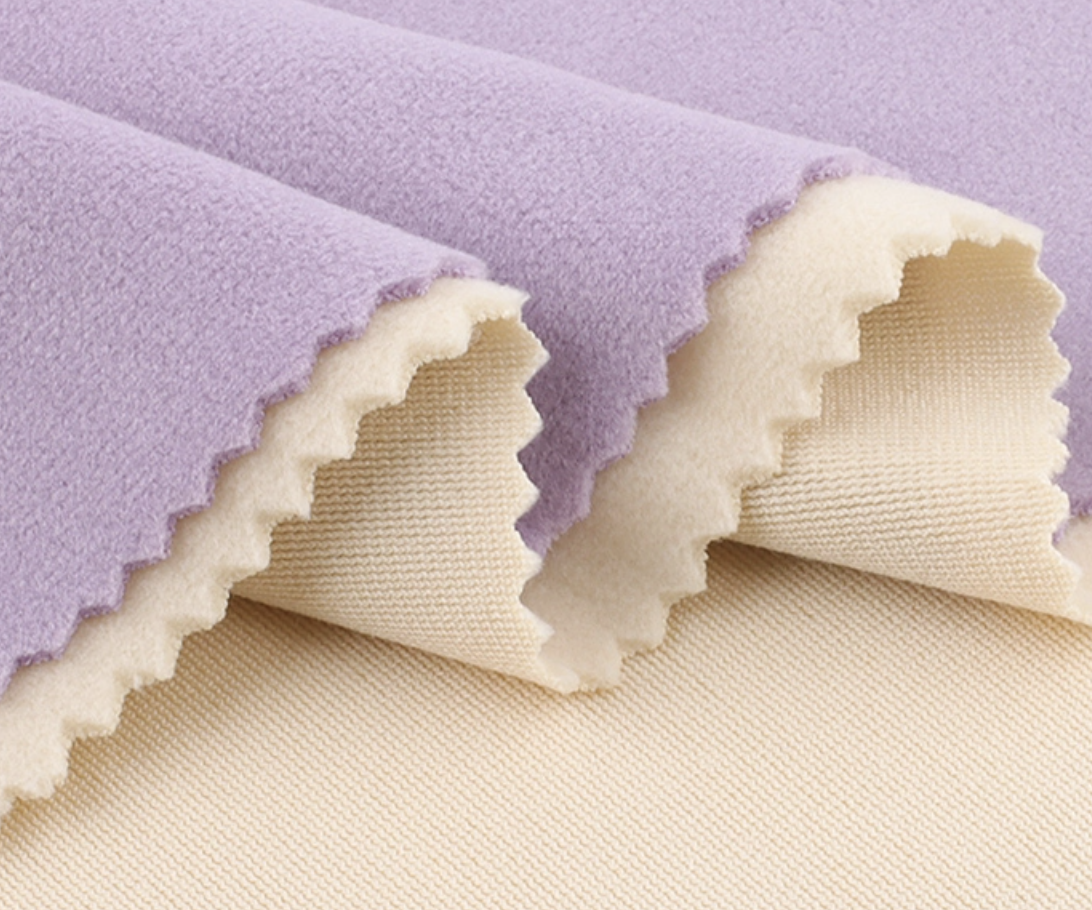
When people ask, is polar fleece good for summer, the honest answer is yes—but only certain types. Not all polar fleece performs well in hot weather. Some versions are designed to trap heat for cold climates, while others are engineered to stay light and breathable. It really comes down to fabric weight, construction, and how you plan to use it.
Lightweight fleece such as microfleece or grid-style fleece can work surprisingly well in summer. Heavyweight polar fleece, however, tends to trap too much heat and can feel uncomfortable in warm conditions. The structure of the fabric plays a big role. Thinner fleece allows more airflow, while thicker fleece focuses on insulation.
| Fleece Type | Suitable for Summer? | Best Use Case |
|---|---|---|
| Microfleece (100–200 GSM) | Yes | Layering, cool evenings |
| Grid Fleece | Yes | Active movement, hiking |
| Midweight Fleece | Sometimes | Mild summer climates |
| Heavyweight Fleece | No | Cold weather only |
So when evaluating whether polar fleece is good for summer, we need to consider weight (GSM), breathability, and activity level. They make a real difference in comfort.
Polar fleece performs best in environments where temperatures fluctuate. Summer evenings often cool down quickly, especially in mountain, coastal, or high-altitude regions. In those cases, a lightweight fleece layer adds warmth without feeling bulky.
It also works well in air-conditioned indoor environments. Offices, airports, and shopping centers can feel surprisingly cold. A thin fleece jacket solves that problem easily.
For outdoor activities like hiking, camping, or travel, fleece is practical because it handles start–stop movement well. We warm up while walking, then cool down during breaks. Lightweight fleece helps regulate body temperature during those transitions. It dries quickly if we sweat and packs down easily in a backpack.
Common summer scenarios where fleece works:
Camping trips and evening bonfires
High-altitude hikes
Coastal breezy afternoons
Backpacking in changing weather
Air-conditioned travel
Polar fleece is not ideal for hot, humid daytime conditions. In tropical climates or direct sun exposure without airflow, it can trap heat and feel uncomfortable. High-intensity activities like running or cycling in extreme heat usually require technical mesh fabrics instead. Those release heat faster and allow better ventilation.
Humidity also changes performance. When the air is heavy and moist, sweat evaporation slows down. Fleece may feel warmer than expected because it is designed to insulate. In those situations, natural breathable fabrics or summer-specific activewear often perform better.
Not all polar fleece works the same in warm weather. To answer is polar fleece good for summer, we need to consider fabric weight, construction, and use. Some types feel light and breathable. Others focus on insulation and can feel too warm once temperatures rise.
Microfleece is the lightest and most summer-friendly polar fleece. It usually ranges from 100–200 GSM, so it feels thin, flexible, and easy to pack. We can carry it in a backpack without adding bulk. It works well as a light layer during cool evenings.
Because it is lightweight, it allows better airflow than thicker fleece. It also dries quickly after light sweat, which makes it practical for travel and casual outdoor wear.
Best uses:
Layering in changing summer weather
Travel and airport outfits
Campfires and evening walks
Casual daily wear
For mild climates, microfleece offers a good balance of comfort and warmth.
“100 Series” refers to fabric weight, around 100 GSM. It sits between ultra-light microfleece and midweight fleece. This type provides moderate warmth and reasonable breathability.
It works well for evening hikes, light outdoor activity, and high-altitude summer trips where temperatures drop after sunset. During hot afternoons, however, it may feel slightly warm. Most 100 Series polar fleece pieces are designed for layering rather than heavy insulation.
Grid fleece features a channel pattern on the inside. Those small grids improve airflow and reduce bulk. Instead of trapping heat evenly, it releases excess warmth more efficiently.
This design also improves moisture control. Sweat moves away from the skin faster, and the fabric dries quicker than traditional solid fleece. For active summer use such as hiking or climbing, grid fleece adapts better to body temperature changes.
Why it suits summer activity:
Better ventilation
Faster drying
Lightweight structure
Improved temperature control
For workouts or mountain hikes, this type of polar fleece often performs well.
Alpha-style insulation focuses on temperature regulation. Its open-knit structure allows continuous airflow while still offering light warmth. It does not trap heat as aggressively as dense fleece.
It performs well during hot-to-cold transitions. Mornings may feel cool, midday sun intense, evenings breezy. Backpackers and long-distance hikers often choose it for all-day comfort in changing summer conditions.
Heavyweight polar fleece provides strong insulation. Thicker fibers and higher loft reduce airflow and hold heat close to the body. This works well in winter, yet feels uncomfortable in hot weather.
In humid or high-temperature environments, it traps too much warmth and slows cooling. For summer use, especially under direct sun, heavyweight polar fleece is generally not recommended.
| Fleece Type | Breathability | Insulation | Summer Suitability |
|---|---|---|---|
| Microfleece | High | Light | Excellent |
| 100 Series | Moderate | Light–Medium | Good for evenings |
| Grid Fleece | High | Light | Great for active use |
| Alpha-Style | Very High | Adaptive | Ideal for transitions |
| Heavyweight | Low | High | Not suitable |
Choosing the right fleece type makes a major difference in summer comfort.
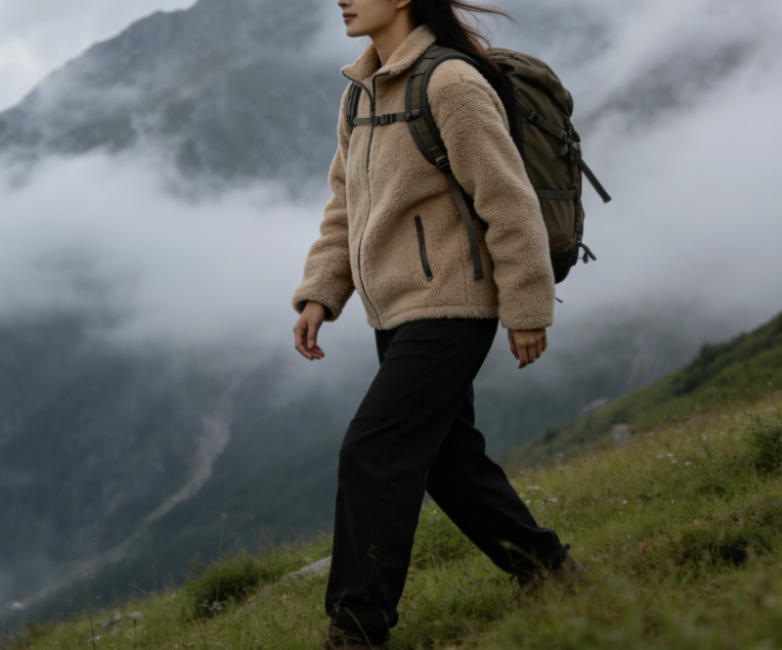
When people ask is polar fleece good for summer, breathability becomes the main concern. We all want fabric that feels light, airy, and comfortable during warm days. Fleece has a reputation for warmth, yet its performance in summer depends on structure, airflow, and how our bodies manage sweat.
Polar fleece moves moisture away from the skin. Polyester fibers do not absorb water like cotton. Instead, they push sweat toward the outer surface, where it can evaporate. This process helps us stay dry during light activity.
However, wicking does not always mean cooling. Cooling depends on evaporation speed. In dry air, sweat evaporates quickly and removes body heat. In humid air, evaporation slows down. Fleece may still feel warm because it holds insulating air pockets.
Here’s how they differ:
Moisture-wicking: Moves sweat off skin
Cooling effect: Depends on evaporation rate
Humidity impact: High humidity reduces cooling
Fleece feels most comfortable in:
Mild climates
Low humidity conditions
Start–stop outdoor activities
Evening temperature drops
It performs less effectively in tropical heat or high-humidity environments. When airflow is limited, the insulating nature of fleece becomes more noticeable. That is why the question is polar fleece good for summer depends heavily on weather, activity level, and fabric construction.
A: Yes, but only certain types. Lightweight or grid fleece can work in breezy, dry conditions or during temperature drops. In direct sun or tropical humidity, it usually feels too warm. Fabric weight and airflow matter more than the name “polar fleece.”
A: Polar fleece is moderately breathable and moisture-wicking. It moves sweat away from the skin and dries quickly. However, wicking does not always mean cooling. In humid weather, evaporation slows down, so it may still feel warm compared to linen or cotton.
A: Microfleece, 100 Series fleece, and grid fleece are the best choices for summer. They are lightweight, breathable, and packable. Alpha-style lightweight insulation also works well for active use and changing temperatures.
A: Yes, especially for evening and nighttime camping. Temperatures often drop after sunset, and lightweight polar fleece provides warmth without bulk. It works well for mountain, coastal, or high-altitude summer trips.
So, is polar fleece good for summer? It depends on the fabric weight and where you wear it. Lightweight microfleece and grid fleece can work for cool evenings, mountain trips, and active outdoor use. Heavyweight fleece is still better for cold weather. Choosing the right structure makes all the difference in comfort.
At Shaoxing Lanfex Import and Export Co., Ltd., we supply high-quality polar fleece fabric in a range of weights and styles for different seasonal needs. Whether you need summer-friendly fleece or winter insulation, we’re here to support your wholesale sourcing.


