

Views: 0 Author: Site Editor Publish Time: 2026-02-12 Origin: Site
Polar fleece fabric is loved for warmth, softness, and eco-friendly style. Made from recycled materials like plastic bottles, it combines comfort with sustainable fashion. From jackets to patterned designs, it’s perfect for eco-conscious collections and DIY projects. Learning about recycled polar fleece and its benefits helps brands and consumers make stylish, planet-friendly choices.
Recycled polar fleece is a modern twist on traditional fleece. Instead of starting from new polyester, it uses waste materials. This gives it the same softness and warmth as regular fleece but reduces environmental impact.
It starts with plastic bottles or old textiles. These items are cleaned, sterilized, and broken down into tiny chips. Then they are melted and spun into fibers, which are knitted into soft, napped fabric. The result? A warm, lightweight textile that feels just like traditional polar fleece.
They can even match colors and patterns during spinning and knitting, making it versatile for fashion and gear.
Recycled polar fleece helps the planet in several ways:
Reduces plastic waste ending up in landfills
Conserves petroleum, since less virgin polyester is needed
Lowers energy consumption compared to making virgin fleece
Saves water, especially during fiber processing
| Benefit | Impact |
|---|---|
| Plastic bottles used per fleece coat | 20–30 bottles |
| Energy saved | ~59% less than virgin polyester |
| Water saved | Significant reduction in textile processing |
Recycled polar fleece often comes with certifications like:
Global Recycled Standard (GRS) – ensures traceable recycled content
OEKO-TEX® – tests for harmful substances
Bluesign® – sustainable production practices
These labels help brands and consumers trust the fabric’s sustainability claims.
Brands play a huge role in making recycled fleece popular. They launch eco-conscious collections, advertise recycled materials, and highlight environmental benefits on product tags.
Consumers help too. Choosing recycled polar fleece products supports sustainability and encourages brands to keep innovating. Small actions, like picking a recycled jacket over a virgin polyester one, make a noticeable difference over time.
Look for labels mentioning recycled content
Support brands promoting sustainable fashion lines
Educate friends and family about eco-friendly fabrics
They can also combine recycled fleece with other sustainable fibers, creating garments that are stylish, warm, and planet-friendly.
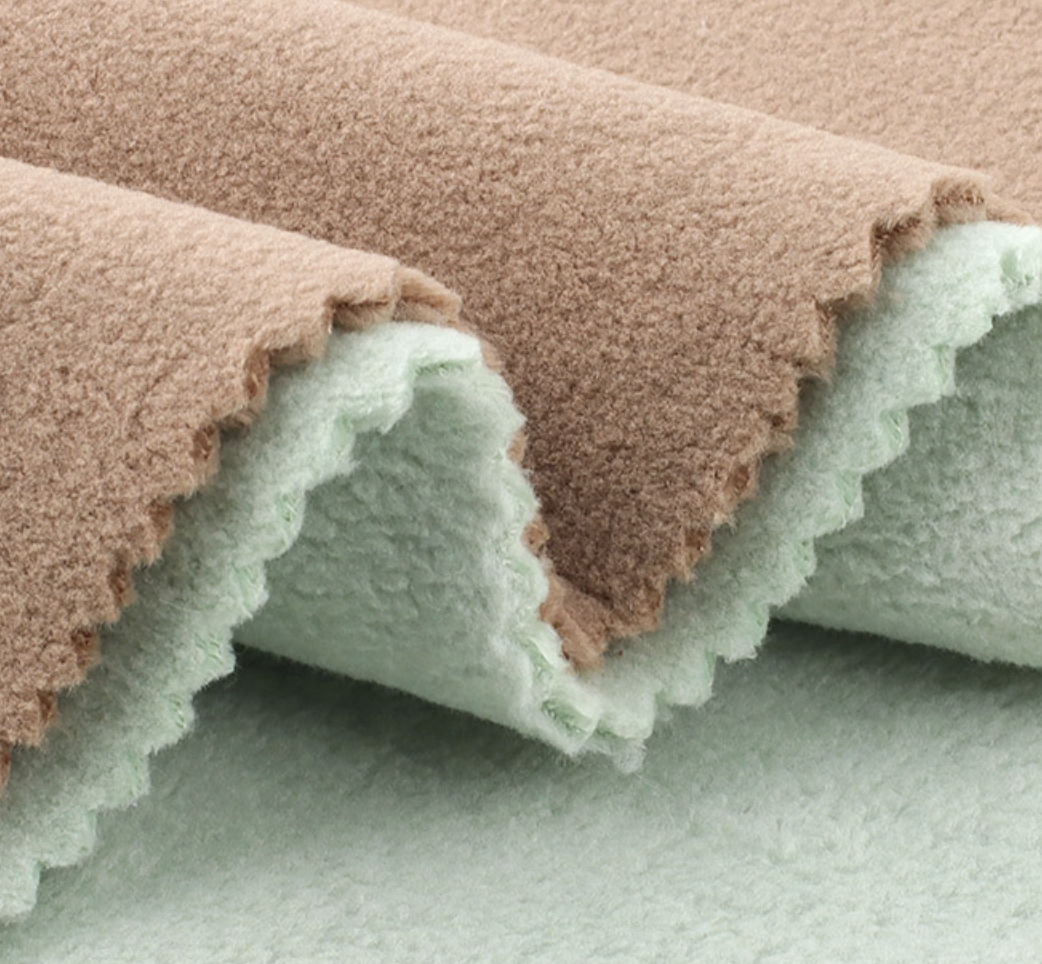
Polar fleece fabric comes in many types, each designed for specific uses. Knowing the differences helps you choose the right fleece for clothing, gear, or crafts.
This is the classic type most people think of.
Made from brushed polyester
Soft, warm, and durable
Common uses: jackets, hoodies, blankets
Designed for bulk or budget-friendly options.
Lower GSM (grams per square meter)
Lightweight and easy to layer
Great for mass production, linings, or giveaways
Popular among outdoor enthusiasts and tactical wear.
Printed patterns like woodland, desert, or snow camo
Retains warmth while blending into natural surroundings
Used in jackets, hats, and gear for hunting or camping
Fleece turns festive during holiday seasons.
Patterns include snowflakes, Santas, candy canes
Perfect for pajamas, throws, or DIY holiday crafts
Adds fun and style to winter collections
Goes beyond holiday themes into fashion and décor.
Includes stripes, florals, animal prints, abstract designs
Ideal for baby blankets, boutique clothing, home décor
Offers versatility for customized creative projects
Focuses on sustainability without losing quality.
Made from recycled PET bottles or old textiles
Reduces environmental impact, conserves resources
Popular among eco-conscious brands and consumers
| Type | Weight | Common Use | Special Feature |
|---|---|---|---|
| Regular | Medium | Jackets, blankets | Classic softness |
| Lightweight | Light | Budget wear, linings | Affordable, easy to layer |
| Camo | Medium | Outdoor gear | Camouflage patterns |
| Seasonal/Christmas | Medium | Holiday apparel | Festive prints |
| Patterned | Medium | Baby, décor | Stripes, florals, abstract |
| Recycled/Eco-friendly | Medium | Sustainable fashion | Eco-conscious materials |
Polar fleece offers a style for everyone. From practical outdoor gear to playful seasonal prints, there’s a type for every project and purpose.
Polar fleece is cozy, warm, and practical—but it also comes with environmental costs. Understanding its impact helps brands and consumers make better choices.
Most polar fleece is made from polyester, derived from petroleum.
Production uses large amounts of energy and water
Releases chemicals during dyeing and finishing
Takes decades to break down in landfills
Contributes to carbon emissions from fossil fuel use
Every wash releases tiny fibers called microplastics.
These microfibers enter rivers, oceans, and soil
One synthetic jacket can shed over 1,000 milligrams per wash
Accumulation harms aquatic life and ecosystems
Choosing recycled or biodegradable options reduces impact
| Feature | Virgin Polyester Fleece | Recycled Polyester Fleece |
|---|---|---|
| Energy Use | High | ~59% less energy |
| Water Consumption | High | Lower consumption |
| Raw Material | Petroleum | Plastic bottles / post-consumer waste |
| Microplastic Shedding | High | Slightly lower, still present |
| Environmental Footprint | Significant | Reduced impact |
Recycled fleece not only saves energy and resources but also keeps plastic out of landfills.
Recycled polar fleece helps cut plastic waste by using 20–30 discarded bottles per garment. It reduces the need for petroleum-based fibers and keeps materials in circulation. Choosing these garments also supports sustainable fashion, making eco-friendly choices easier for consumers.
Eco-friendly fleece is evolving fast. Biodegradable fleece breaks down faster in landfills. Cotton and hemp blends provide warmth while lowering plastic use. Brands also explore plant-based synthetics, durable and eco-conscious, pointing to a greener future for fleece.
The circular economy is shaping fleece production. Brands focus on recycling, upcycling, and biodegradable fibers. Garments are designed for longer life and easier recycling, and consumers are encouraged to return or donate worn fleece. These efforts help minimize waste and boost sustainability across the industry.
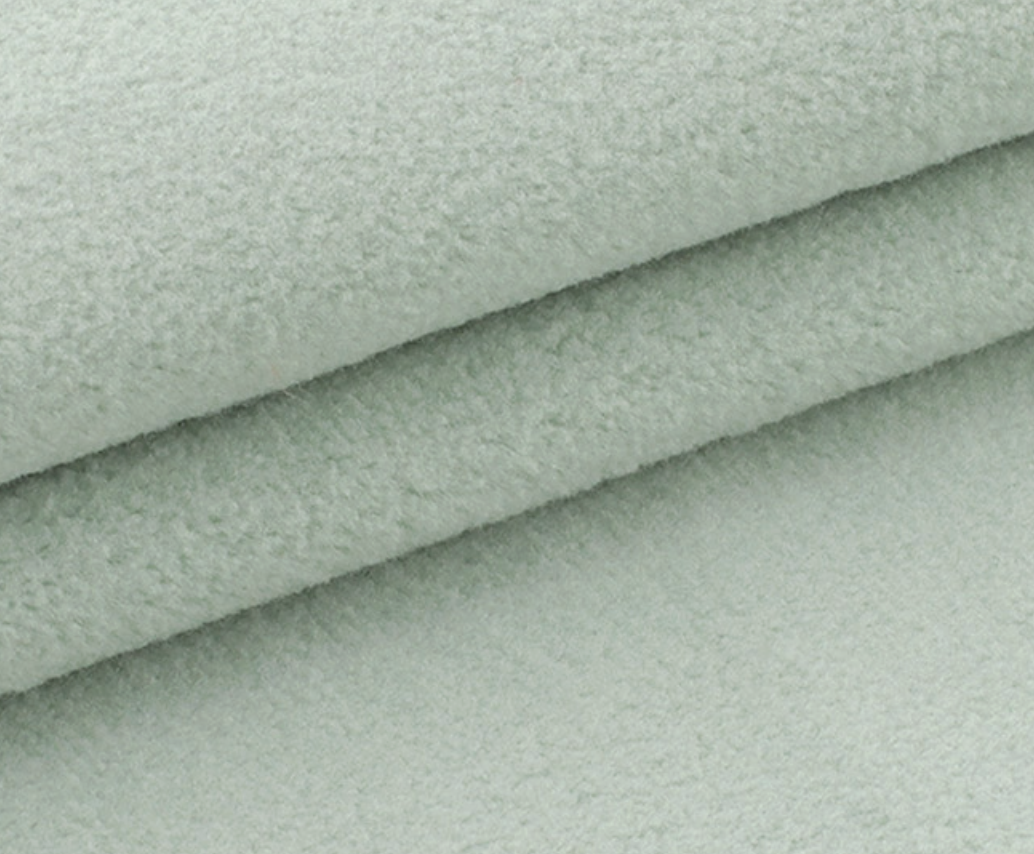
Polar fleece is cozy and durable, but proper care keeps it soft and long-lasting. A few simple steps help your garments stay warm and looking new.
Use cold water to prevent shrinking or damaging fibers
Choose a mild detergent, free of harsh chemicals
Avoid fabric softeners—they can coat fibers and reduce warmth
Turn garments inside out to protect the brushed surface
Air dry whenever possible; it preserves softness
If using a dryer, set on low heat
Avoid direct sunlight for long periods—it can fade colors
Gently shake fleece before drying to fluff fibers
Pilling occurs when fibers break and tangle. To minimize it:
Wash in mesh laundry bags to reduce friction
Avoid harsh rubbing or scrubbing
Separate fleece from rough fabrics like jeans
Use a fabric shaver carefully to remove small pills
Store fleece folded, not hung, to prevent stretching
Brush lightly with a soft clothes brush if it loses fluff
Avoid bleach or harsh chemicals
Wash only when needed; frequent laundering wears fibers faster
| Step | Recommendation |
|---|---|
| Wash | Cold water, mild detergent |
| Fabric Softener | Avoid entirely |
| Dry | Low heat or air dry |
| Prevent Pilling | Mesh bags, gentle handling |
| Storage | Folded, away from direct sunlight |
Following these tips ensures your polar fleece stays warm, soft, and durable through many seasons.
A: Standard polar fleece is not very eco-friendly because it’s made from petroleum-based polyester. However, recycled or biodegradable versions reduce environmental impact and support sustainable fashion.
A: Yes. Recycled polar fleece is made from post-consumer plastic bottles, old textiles, or other discarded plastics, turning waste into warm, soft fabric.
A: Yes. Washing synthetic fleece releases microfibers into waterways. Recycled fleece may slightly reduce this, but microplastics remain a concern.
A: Jackets, hoodies, blankets, scarves, and eco-conscious collections like recycled or patterned fleece for seasonal or outdoor wear.
Choosing polar fleece fabric means comfort meets sustainability. Recycled options reduce plastic waste while staying soft and durable.
Shaoxing lanfex Import and Export Co., Ltd. offers eco-friendly and patterned fleece fabrics ideal for brands or DIY enthusiasts seeking green, stylish winter solutions.


