

Views: 0 Author: Site Editor Publish Time: 2026-01-20 Origin: Site
Warm Fabric plays a major role in how well you sleep during winter, not just how thick your bedding feels. When nights turn cold, choosing the right warm fabric for winter bedding can mean deeper sleep, better comfort, and fewer temperature swings. But insulation, breathability, moisture control, and skin feel all matter. In this guide, we explore how different warm bedding fabrics work, how they perform in real winter conditions, and how to choose the most comfortable material for your sleep style.
Warmth starts inside the fabric structure. It traps air. That air slows heat loss. Dense weaves usually hold more warmth, but density alone never tells the full story.
Insulation comes from tiny air pockets between fibers. They work like a thermal buffer.
Fabric density affects how much air stays inside. Too tight, airflow drops.
Breathability matters during long sleep hours. We sweat. The fabric should release moisture, not trap it.
Skin contact comfort shapes sleep quality. Rough surfaces feel warmer at first, then annoying.
Warm bedding feels balanced. It keeps heat, lets skin breathe, stays soft all night.
Manufacturers often use GSM to describe bedding weight. It means grams per square meter. Higher numbers usually feel heavier, not always warmer.
| Bedding Type | Typical GSM Range | Warmth Feel |
|---|---|---|
| Winter sheets | 160–200 GSM | Light warmth |
| Blankets | 250–400 GSM | Moderate insulation |
| Duvets | 300–600 GSM | High heat retention |
High GSM fabrics feel cozy but may overheat sensitive sleepers.
Lightweight warmth relies on fiber structure, not just weight.
Manufacturers balance softness and warmth by brushing fibers or layering materials. They aim for heat without stiffness.
We should look beyond numbers. Touch, airflow, and structure decide how warm bedding really feels.
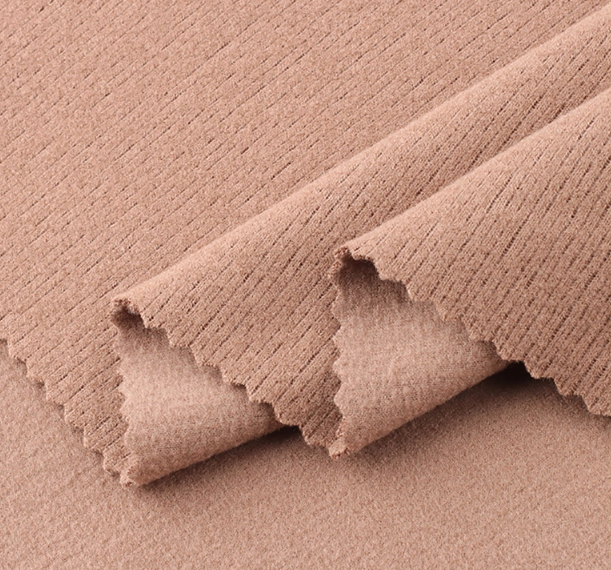
| Fabric Category | Fabric Type | Key Warmth Features | Best Bedding Uses | Notes |
|---|---|---|---|---|
| Natural | Wool | Strong insulation, temperature regulating | Blankets, toppers, comforter filling | Works well even slightly damp |
| Natural | Cashmere / Alpaca | Lightweight, very warm, soft feel | Premium throws, luxury duvets | High cost, gentle care needed |
| Natural | Cotton Flannel | Brushed surface traps heat | Winter bed sheets | Limited warmth in very cold climates |
| Synthetic | Polyester / Microfiber | Stable warmth, quick drying, easy care | Sheets, comforters, mass bedding | Cost-efficient, durable |
| Synthetic | Fleece | High loft, soft, air-trapping | Blankets, throws | Best as outer or middle layer |
| Synthetic | Sherpa | Deep pile, strong heat retention | Blanket lining, duvet covers | Heavier, very cozy |
| Blended | Natural + Synthetic | Balanced warmth, durability, affordability | All-purpose winter bedding | Longer lifespan, stable performance |
Dry winters pull heat from the body fast. Bedding must focus on insulation first. Fabrics trapping still air work best here.
Flannel uses brushed fibers. They hold warmth near the skin.
Wool blankets regulate heat well. They store warmth, avoid overheating.
High-loft microfiber builds thickness without extreme weight.
Recommended constructions include brushed surfaces, multi-layer blankets, and quilted duvets. They slow heat loss during long, cold nights.
Humidity changes everything. Warmth feels different when moisture builds up. Bedding should move sweat away, dry fast.
Bamboo viscose absorbs moisture. It stays smooth, not sticky.
Lightweight wool manages humidity better than cotton.
Moisture-treated microfiber resists clammy sleep conditions.
| Climate Type | Fabric Focus | Sleep Feel |
|---|---|---|
| Damp winter | Moisture control | Dry, stable |
| Humid cold | Breathable warmth | Balanced |
These fabrics help reduce chill caused by trapped moisture during sleep.
Some sleepers run hot. Others feel cold easily. Bedding should adjust, not fight the body.
Hot sleepers prefer breathable sheets, lighter duvets, moisture-wicking fibers.
Cold sleepers need thicker blankets, brushed textures, higher insulation.
Layered bedding systems work well. We mix light sheets, medium blankets, warm toppers. They allow easy adjustment through the night.
Winter sheets touch skin all night. Feel matters as much as warmth. We look at surface texture, heat holding, breathability.
Flannel feels soft, brushed, warm fast. It traps air close to skin.
Microfiber feels smooth, lighter. It holds warmth using tight fibers.
Brushed cotton stays breathable, less heavy. It warms slower, feels natural.
| Sheet Fabric | Skin Feel | Heat Retention | Best For |
|---|---|---|---|
| Flannel | Cozy, fuzzy | High | Very cold rooms |
| Microfiber | Smooth, soft | Medium–High | Lightweight warmth |
| Brushed cotton | Natural, soft | Medium | Mild winter use |
Flannel suits deep winter. Microfiber fits layered bedding systems.
Blankets add flexible warmth. Weight, drape, and insulation change how they feel.
Wool blankets warm evenly. They breathe, resist moisture.
Fleece feels light, fluffy. It traps air, dries fast.
Sherpa adds thick texture. It feels very warm, heavier on the body.
| Material | Warmth Level | Weight | Drape |
|---|---|---|---|
| Wool | High | Medium | Structured |
| Fleece | Medium–High | Light | Soft |
| Sherpa | Very high | Heavy | Thick |
We choose fleece for layering. Sherpa works better as top throws.
Warmth here depends on two parts. Outer fabric. Inner filling. They must work together.
Shell fabrics control airflow. Cotton breathes more. Microfiber seals heat better.
Fill materials store warmth. Down traps air best. Synthetic stays consistent when damp.
| Component | Affects | Why It Matters |
|---|---|---|
| Outer shell | Heat escape | Controls airflow |
| Filling | Insulation | Determines warmth level |
A tighter shell increases warmth efficiency. Softer shells improve sleep comfort.
Warm bedding lasts longer when care matches fabric behavior. We often lose warmth through poor washing, not wear.
Heat and agitation change fabric structure. It reduces air pockets. Warmth drops.
Use cold or low-temperature water for most winter bedding
Gentle cycles protect loft and surface fibers
Skip fabric softener. It coats fibers. Breathability drops
Drying rules matter just as much.
Air drying keeps fibers relaxed
Low heat suits fleece and microfiber
Wool prefers flat drying. Shape stays stable
Shrinkage comes from heat and motion. Natural fibers react faster. Synthetics stay stable. Pilling forms when loose fibers rub together. It traps dirt, blocks airflow.
| Fabric Type | Shrink Risk | Pilling Risk | Lifespan |
|---|---|---|---|
| Wool | Medium | Low | Long |
| Flannel cotton | High | Medium | Medium |
| Microfiber | Low | Medium | Long |
| Fleece | Low | High | Medium |
Turn items inside out. It reduces surface wear.
Warmth depends on trapped air. Poor care collapses loft. It cannot recover fully. Frequent hot washing compresses fills. Dryers flatten fibers. Insulation drops slowly. We keep warmth longer when we wash less often, dry gently, store bedding loosely.
A: Wool and high-loft fleece feel warmest. They trap air efficiently and regulate heat during sleep.
A: Yes. Fleece holds more air. Flannel feels cozy but insulates less in very cold rooms.
A: Not always. Modern microfiber and fleece breathe reasonably well and dry faster than cotton.
A: Use layered bedding. Combine a warm blanket, breathable sheets, and an insulated comforter.
Choosing warm fabric for winter bedding is really about how you sleep, not just how cold it gets. Air retention, moisture balance, texture, and layering all work together to shape comfort through the night. When fabrics match your climate and sleep habits, warmth feels natural instead of heavy or stuffy.
If you’re sourcing winter bedding materials or developing new collections, Shaoxing Lanfex Import and Export Co., Ltd. works closely with partners to deliver reliable warm fabric solutions. Let’s turn material choices into better sleep experiences and stronger products.


