

Views: 0 Author: Site Editor Publish Time: 2026-01-21 Origin: Site
When choosing the right layers for winter, understanding warm fabric and insulation fabric is key. Warm fabrics like wool or Merino wool provide natural heat retention and breathability, while insulation fabrics, including synthetic fibers or down, are engineered for maximum thermal protection. In cold climates, combining these fabrics can optimize comfort, moisture control, and mobility. Whether you’re hiking, commuting, or facing wet conditions, knowing how each fabric performs helps you stay cozy without overheating or sacrificing flexibility.
Warm fabrics are mostly natural or heavyweight textiles. They retain heat through dense fibers and high GSM. They’re perfect for everyday winter wear because they keep you cozy without bulk. They trap air inside fibers, creating a microclimate around your body. Air is the key. It slows heat loss while letting some breathability. That’s why a Merino sweater can feel warm but never stifling.
| Fabric Type | Insulation | Breathability | Best Use |
|---|---|---|---|
| Wool | High | Moderate | Sweaters, base layers |
| Merino Wool | High | High | Premium base layers |
| Cotton | Moderate | High | Casual layering |
| Silk | Moderate | High | Underlayers |
| French Terry | High | Moderate | Sweatshirts, hoodies |
| Heavyweight Jersey | High | Moderate | Base layers, casual wear |
Insulation fabrics are engineered textiles designed to trap heat efficiently. They usually have three layers: an outer shell, an insulating core, and an inner lining.
| Layer | Function | Typical Material |
|---|---|---|
| Outer Shell | Wind/water barrier | Nylon, polyester, laminated fabrics |
| Core | Heat retention | Down, synthetic fibers, foam |
| Inner Lining | Comfort & moisture control | Cotton, polyester, fleece |
| Feature | Warm Fabrics | Insulation Fabrics |
|---|---|---|
| Origin | Natural fibers | Engineered layers |
| Heat Retention | Moderate, breathable | High, designed for extreme cold |
| Moisture Management | Airy, absorbs some sweat | Often water-resistant, retains warmth when damp |
| Weight & Bulk | Lighter, flexible | Can be heavier, compressible for packing |
| Durability | Long-lasting in dry conditions | Highly durable, withstands harsh environments |
| Mobility | Excellent | Varies by thickness and layering |
Warm fabrics feel soft, cozy, and allow airflow. Insulation fabrics maximize thermal protection, even in wet or windy conditions. You can combine both types for best performance, depending on activity, weather, or layering needs.
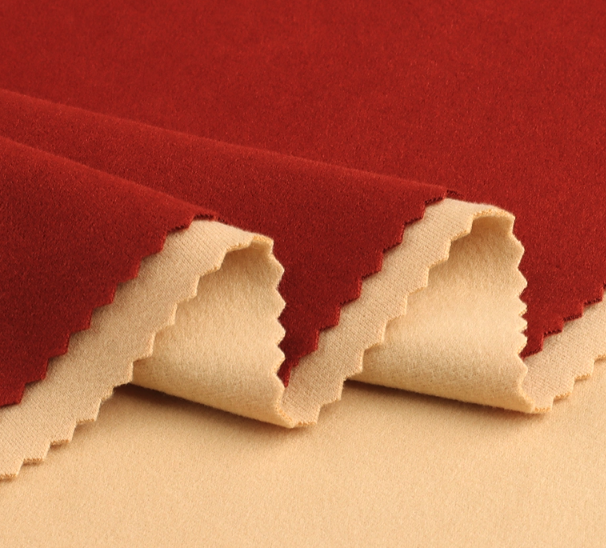
Warmth isn’t magic. It comes from trapped air, which acts as a natural insulator. The more air a fabric holds, the slower heat escapes.
Key factors include:
Fiber density – tightly packed fibers trap more heat.
Fabric weight and GSM – heavier fabrics retain warmth longer.
Lofts and quilting – lift the insulation, create stable air pockets.
Layered construction – multiple layers enhance thermal efficiency.
| Feature | Effect on Warmth |
|---|---|
| High GSM | More fiber, better heat retention |
| Dense weave | Traps air efficiently |
| Quilting/loft | Prevents insulation shift |
| Layered textiles | Combines protection, breathability |
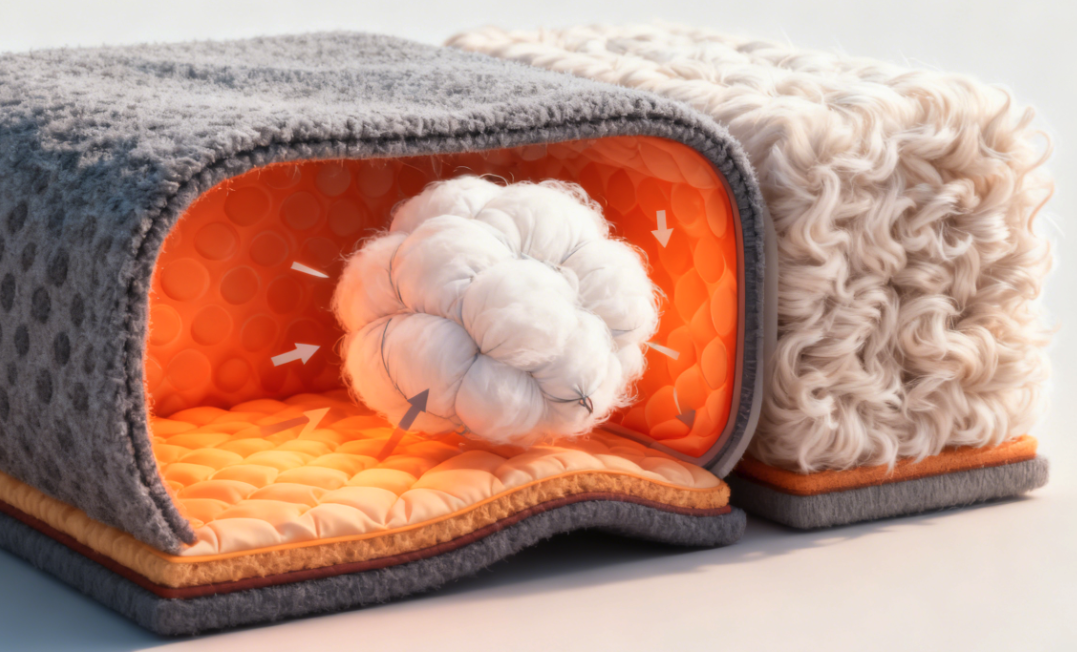
Lofted fabrics like down jackets or French terry sweatshirts create micro-chambers of air. These pockets slow conduction and convection, keeping your body warm without extra bulk.
Even the warmest fabric fails if it traps moisture. Moisture-wicking is crucial in cold climates. Wet fibers conduct heat away faster, making you feel colder.
Wool naturally absorbs moisture but still insulates.
Synthetic insulation like polyester keeps warmth when wet.
Layering helps manage heat and moisture:
Base layer – wicks sweat (Merino wool or polypropylene).
Mid layer – retains heat (fleece, quilted down).
Outer shell – blocks wind and water (nylon, laminated fabrics).
Proper layering ensures warmth, comfort, and mobility, even in snow or rain.
| Fabric Type | Moisture Handling | Breathability | Ideal Layer |
|---|---|---|---|
| Merino Wool | Moderate absorption | High | Base |
| Cotton | Absorbs water | High | Base, casual |
| Polyester | Wicks and dries | Moderate | Mid or outer |
| Down | Poor when wet | Low | Mid, dry conditions |
| Thinsulate | Maintains warmth | Moderate | Mid |
Thermal performance is measurable. R-value quantifies a material’s resistance to heat flow. The higher the value, the warmer the fabric.
Testing follows ASTM or ISO standards. Key performance indicators:
Fill power – down clusters trap more air, higher loft equals higher insulation.
Fiber thickness – synthetic insulations rely on microfibers to hold warmth efficiently.
GSM – heavier natural fabrics store more energy.
| Material | Measure | Real-World Effect |
|---|---|---|
| Down | Fill power 700–900 | Alpine jackets, lightweight warmth |
| Polyester | Fiber thickness | Wet-weather insulation |
| Wool | GSM 350–450 | Sweaters, base/mid layers |
| Fleece | Pile height | Breathable, moderate insulation |
Thermal resistance depends on both fabric structure and how you wear it. Air pockets, moisture management, and layering all work together to maintain body heat efficiently.
The base layer lies directly against your skin. Its primary role is to move sweat away and keep you dry throughout activity. Merino wool naturally absorbs moisture while still holding warmth close, making it ideal for steady cold or light activity. Synthetic blends, such as polyester or polypropylene, wick moisture faster, helping you stay comfortable during high-intensity movement. The weight of the fabric and its GSM significantly influence performance. Higher GSM layers feel heavier but offer more thermal buffering, while lower GSM fabrics allow freer movement and better breathability during active pursuits.
| Base Layer Fabric | Moisture Handling | Warmth | Best For |
|---|---|---|---|
| Merino Wool | Moderate absorption | High | Everyday wear, light activity |
| Polyester Blend | Fast wicking | Medium | High-intensity activity |
| Cotton | Absorbs water | Low | Mild, dry conditions |
It’s easy to underestimate the base layer. But keeping skin dry is crucial, because wet fibers pull heat away fast.
The mid layer sits over the base layer and serves as your primary insulation. Its key job is to trap air close to your body to maintain warmth. Fleece delivers lightweight heat while allowing airflow, keeping you comfortable during movement. Down provides the highest warmth-to-weight ratio but loses efficiency when wet. Synthetic insulation mimics down and keeps you warm even in damp conditions. The loft, thickness, and overall structure dictate how much heat is retained, while quilted or loopback designs help stabilize the insulation and prevent cold spots.
| Mid Layer Type | Air Trapping | Moisture Tolerance | Weight |
|---|---|---|---|
| Fleece | Moderate | Good | Light |
| Down | Excellent | Poor | Very Light |
| Synthetic | Good | Excellent | Light-Moderate |
The mid layer also defines comfort during movement. Flexible fabrics keep mobility while maintaining insulation.
The outer layer serves as your shield against wind, rain, and snow, while protecting the insulation beneath. Laminates like Gore-Tex provide both waterproofing and breathability, keeping you dry without trapping moisture. Heavy nylon or polyester shells resist abrasion and enhance durability for rugged use. Some fabrics are treated to be water-repellent while still allowing airflow. Durability is essential—outdoor activities demand materials that can handle friction, branches, and gear contact without compromising performance.
| Outer Layer Material | Water Resistance | Breathability | Durability |
|---|---|---|---|
| Gore-Tex Laminate | High | High | High |
| Heavy Nylon | Moderate | Medium | High |
| Polyurethane Coating | Very High | Low | Medium |
A good shell lets moisture escape while keeping cold air out. That combination prevents chills and overheating.
Picking the right fabric starts with how and where you’ll use it. Cold affects the body differently depending on movement and surroundings.
Static cold – sitting or standing outdoors? Heavier insulation and high-loft fabrics trap heat better.
High-activity scenarios – hiking, skiing, or climbing? Breathable, moisture-wicking layers prevent overheating.
Wet climates – natural fibers like wool handle dampness better than cotton. Synthetics maintain insulation even when wet.
Dry climates – dense cotton, Merino wool, or French terry provide warmth and comfort without moisture concerns.
Urban everyday use – lighter weight fabrics balance warmth and style.
Outdoor adventure – robust multi-layer systems and engineered insulation protect against wind, rain, or snow.
| Scenario | Recommended Fabrics | Key Benefit |
|---|---|---|
| Static cold | Heavy wool, down, quilted insulation | Maximum heat retention |
| High activity | Merino wool, synthetic blends | Breathability, sweat management |
| Wet climates | Wool, synthetic insulation, Gore-Tex shell | Warmth even when damp |
| Dry climates | Cotton, French terry, heavyweight jersey | Soft warmth, comfort |
| Urban | Merino, lightweight synthetics | Style plus moderate insulation |
| Adventure | Layered insulated fabrics | Wind/water resistance, mobility |
Comfort is more than warmth. Fabrics touching your skin matter for all-day wear.
Softness – Merino wool or silk feels smooth; coarse wool may irritate.
Itch factor – some natural fibers can prick. Look for high-quality, finely spun fibers.
Breathability – natural fibers allow airflow, reducing sweat buildup.
Synthetic vs natural irritation – synthetics can trap heat and moisture, occasionally causing rash or chafing.
Quick guide for skin-sensitive users:
Merino wool – soft, itch-free, thermoregulating
Silk – lightweight, smooth, hypoallergenic
Polyester/Thinsulate – durable, warm, may trap heat
Cotton – breathable, soft, loses warmth when wet
Every fabric needs care, especially for winter layers. Longevity depends on material type and handling.
Natural fibers – wool, silk, and cotton need gentle washing, careful drying, and storage away from moisture. Hand wash or cold machine cycles recommended.
Synthetic insulation – polyester, Thinsulate, and foam-backed fabrics resist wear and tolerate machine washing better. Quick drying is a plus.
Storage – keep down or wool garments in breathable bags to maintain loft and shape.
| Fabric Type | Washing | Drying | Longevity |
|---|---|---|---|
| Wool | Hand/cold wash | Flat dry | High if cared for |
| Silk | Gentle | Flat, away from sun | Moderate |
| Polyester | Machine safe | Tumble low or air | High |
| Down | Specialized cleaner | Air dry, fluff | High, maintain loft |
Proper care ensures fabrics perform season after season. Even premium layers lose insulation if mishandled.
Warm fabrics are mostly natural or heavyweight textiles that retain heat through fiber density and GSM. Insulation fabrics are engineered with layers, such as an outer shell, insulating core, and inner lining, designed for maximum heat retention even in extreme conditions.
For the base layer, Merino wool and synthetic blends like polyester or polypropylene are ideal because they wick moisture away from the skin while maintaining warmth.
Natural down loses insulation when wet, so it’s best for dry, cold climates. Synthetic insulation or water-resistant down jackets perform better in humid or rainy conditions.
Layering allows you to combine moisture-wicking base layers, insulating mid-layers, and protective outer shells. This system manages body heat, keeps you dry, and adapts to changing weather.
Outer layers like Gore-Tex laminates, heavy nylon, or water-repellent shells block wind, rain, and snow while letting moisture escape. They prevent insulation from getting wet and losing effectiveness.
Choosing the right combination of warm fabrics and insulation fabrics can completely change how you experience cold weather. By understanding each fabric’s strengths—natural warmth, moisture control, or engineered thermal protection—you can stay comfortable and active no matter the conditions. Whether you’re planning a winter hike, a city commute, or outdoor work, the right layers make all the difference.
At Shaoxing Lanfex Import and Export Co., Ltd., we offer a wide range of premium fabrics and insulation materials designed for performance in cold climates. Explore our selections to find reliable, high-quality options that keep you warm, dry, and flexible all season long.


