

Views: 0 Author: Site Editor Publish Time: 2026-02-06 Origin: Site
Sport Fabric plays a crucial role in how athletic apparel performs, feels, and lasts. In this complete guide to athletic materials, we explore what sport fabric really is, how it differs from regular textiles, and why it matters for training, running, yoga, and outdoor sports. From moisture-wicking performance fabrics to stretch-driven activewear materials, this article helps you understand the core fibers, key characteristics, and best-use scenarios—so you can choose the right sport fabric for comfort, movement, and durability.
Sport fabric—often called athletic fabric or performance fabric—refers to a group of textiles specifically engineered for physical activity and active lifestyles. Unlike everyday clothing materials, these fabrics are designed to react to movement, heat, and moisture. They help the body stay comfortable during exercise, whether we are stretching, running, lifting, or competing. You’ll find sport fabrics used across activewear, sports uniforms, and outdoor performance apparel because they prioritize function over decoration.
At a practical level, sport fabric works with the wearer. It stretches when we move, releases heat when body temperature rises, and manages sweat before it becomes uncomfortable. This makes it very different from casual cotton shirts or fashion-focused fabrics that were never meant to handle intense motion or repeated washing.
Sport fabric is a technical textile developed to enhance athletic performance and wearing comfort. It is commonly made from synthetic fibers such as polyester, nylon, or spandex, though modern versions often include blended or recycled materials. These fibers are engineered at the yarn and fabric-structure level, allowing them to control moisture, improve airflow, and maintain shape under stress.
You may see sport fabric described using different terms, but they usually mean the same thing:
Athletic fabric
Performance fabric
Activewear fabric
Sportswear textile
All of them refer to fabrics designed to handle movement, sweat, and repeated use without losing performance.
Regular clothing textiles are usually made for appearance, softness, or warmth. Sport fabrics are made for performance under pressure. They are tested for stretch, recovery, abrasion resistance, and moisture behavior, which are not priorities for everyday apparel fabrics.
| Aspect | Sport Fabric | Regular Fabric |
|---|---|---|
| Moisture behavior | Wicks sweat away and dries fast | Absorbs moisture and stays damp |
| Stretch & recovery | High elasticity, keeps shape | Limited stretch, can deform |
| Breathability | Engineered airflow zones | Basic breathability |
| Durability | Built for frequent washing | Wears out faster |
| Activity support | Designed for motion | Designed for casual wear |
Because of these differences, sport fabrics feel lighter, dry quicker, and perform more consistently during physical activity.
Sport fabrics are developed around several core performance goals. Every fiber choice and fabric structure supports one or more of these needs.
Comfort
Sport fabrics aim to feel smooth against the skin while reducing friction and irritation. They help regulate body temperature, so we feel less sticky or overheated during workouts.
Freedom of Movement
These fabrics stretch naturally with the body. They allow us to squat, twist, or sprint without restriction, then return to their original shape once movement stops.
Moisture Control
Sweat is quickly pulled away from the skin and spread across the fabric surface. This speeds up evaporation and helps keep the body dry during intense activity.
Durability
Sport fabrics are designed to survive frequent washing, stretching, and friction. They resist pilling, tearing, and fading far better than standard apparel textiles.
Different sports place different demands on fabric performance. That’s why sport fabrics are often tailored to specific activities rather than using a one-size-fits-all approach.
Training and Gym Wear focuses on stretch, moisture management, and abrasion resistance for repeated movements.
Running and Cardio Apparel prioritizes lightweight construction, breathability, and fast drying to manage heat and sweat.
Yoga and Pilates Clothing emphasizes softness, four-way stretch, and shape retention to support slow, controlled movements.
Outdoor Sports Fabrics are designed for weather resistance, UV protection, and thermal regulation in changing environments.
Team Sports Textiles require high durability, tear resistance, and color stability for frequent use and contact.
Each category uses sport fabric differently, but they all rely on the same foundation: materials engineered to perform when the body is in motion.
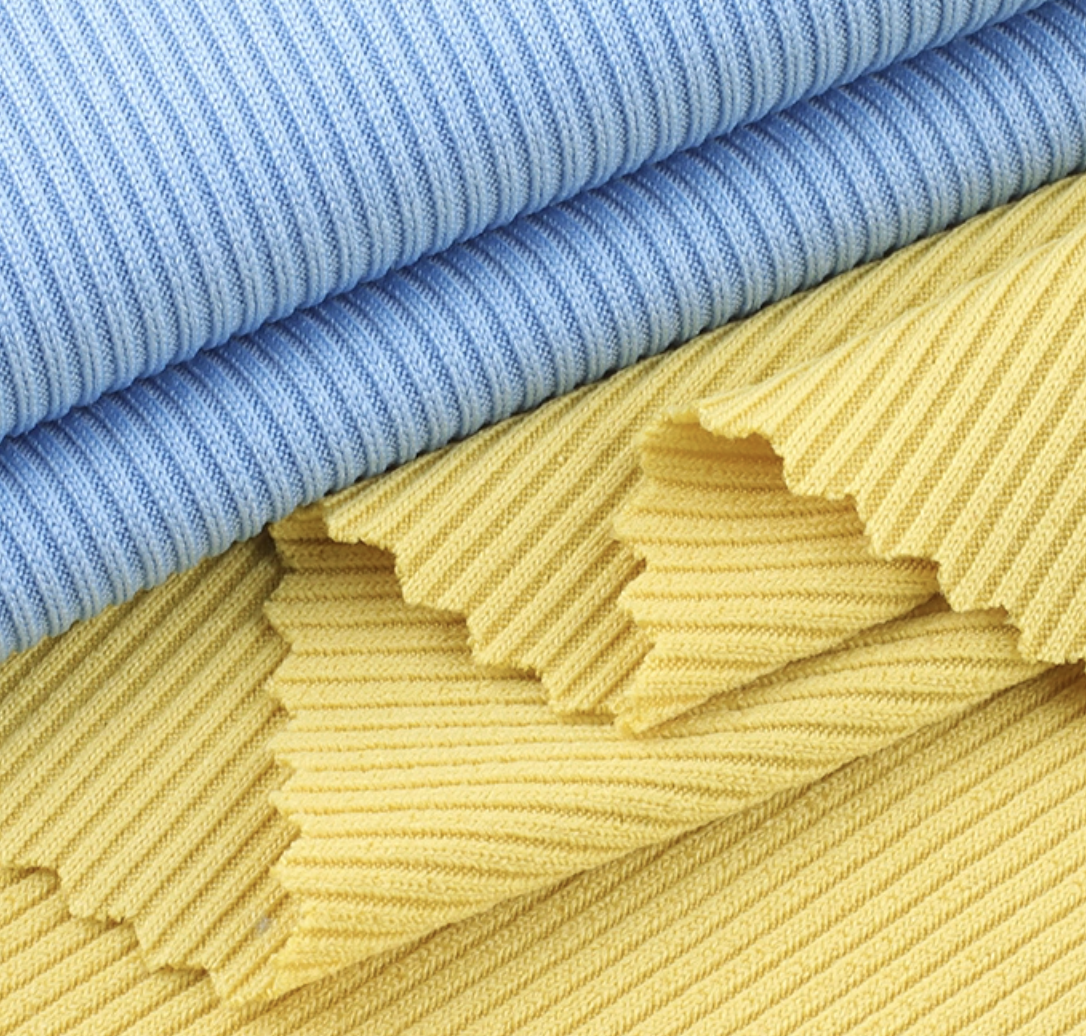
Sport fabric stands out because it is engineered for movement, heat, and repeated stress. It does more than cover the body. It reacts. Each key characteristic plays a role in how athletes feel, move, and perform during activity.
Moisture-wicking is one of the most important features in sport fabric. Instead of soaking up sweat, the fabric moves it away from the skin. It uses capillary action, where tiny channels inside the yarn pull moisture outward across the fabric surface. Once spread out, sweat evaporates faster.
Absorption and moisture transport are not the same. Cotton absorbs water and holds it. Sport fabric transports moisture and releases it. That difference changes how we feel during exercise. Wet fabric clings, feels heavy, and cools the body too fast.
Quick-dry performance matters because sweat never stops during training. When fabric dries fast, it helps reduce skin irritation, heat buildup, and post-workout chills. It also keeps garments lighter over time.
| Feature | Absorbing Fabric | Moisture-Wicking Fabric |
|---|---|---|
| Sweat handling | Soaks and holds | Moves and releases |
| Drying speed | Slow | Fast |
| Skin comfort | Damp, sticky | Dry, balanced |
Breathability describes how easily air moves through a fabric. Good air permeability allows heat to escape instead of staying trapped near the skin. When body temperature rises, breathable sport fabric helps cool it down naturally.
Design plays a big role here. Mesh panels allow direct airflow. Micro-perforations create tiny vents without weakening structure. Some advanced fabrics use 3D knitting, forming raised channels that lift fabric off the skin slightly.
These structures improve temperature regulation during long sessions. Less trapped heat means steadier performance and fewer distractions caused by overheating.
Stretch is what lets sport fabric move when we move. Most performance fabrics rely on spandex or elastane to provide elasticity and recovery. It stretches under tension, then snaps back into shape.
There are two common stretch types:
2-way stretch moves side to side, often used in basic active tops
4-way stretch moves in all directions, common in leggings and compression wear
4-way stretch improves range of motion and fit. It helps garments stay close to the body without squeezing. During squats, lunges, or yoga poses, the fabric follows movement instead of resisting it.
Sport fabric faces more stress than everyday clothing. It rubs against skin, equipment, and surfaces. It also goes through frequent washing and sun exposure. Durability keeps it performing over time.
Abrasion resistance helps fabric survive friction during high-intensity or contact sports. UV resistance slows color fading and fiber breakdown outdoors. Strong yarns and tight knitting help garments hold shape even after repeated use. For athletes, durability means fewer replacements and more consistent performance.
Comfort starts where fabric touches skin. Sport fabric aims to feel smooth, light, and non-irritating. Soft yarns reduce friction. Balanced compression supports muscles without pressure points.
Design matters as much as material. Seamless construction removes raised seams. Flatlock stitching lowers rubbing. Low-friction surfaces help prevent chafing during long workouts or races. When fabric disappears during movement, comfort is doing its job.
Sport fabric relies on a small group of core fibers. Each one brings a different strength. Most performance apparel blends them, balancing comfort, durability, stretch, and moisture control for specific sports.
Polyester is the most widely used sport fabric today. It dominates activewear because it performs well, costs less, and handles frequent use. Brands rely on it for large-scale production and consistent quality.
Its biggest advantage is durability. Polyester resists shrinking, wrinkling, and repeated washing. It also supports moisture-wicking treatments, helping sweat move away from skin. Easy care matters too. It dries fast and keeps shape after training.
There are trade-offs. Polyester can trap odors over time. Breathability depends on fabric structure rather than fiber alone. Without ventilation design, it may feel warm during long sessions.
Best use cases
Running tops and shorts
Gym and training wear
Team sports uniforms
Nylon stands out for its strength-to-weight ratio. It feels light yet tough, which makes it popular in premium performance wear. Many athletes notice its smooth, almost silky surface during movement.
Abrasion resistance is a key strength. Nylon handles friction better than polyester, especially in fitted garments. Breathability can be lower, though. Fabric construction plays a big role here.
Designers often choose nylon when comfort and durability must work together.
Best use cases
Leggings and tights
Sports bras
Yoga and studio wear
Spandex is not used alone. It is added to other fibers to create stretch. Even a small percentage changes how fabric behaves. It stretches easily, then returns to shape once movement stops.
Typical blends range from 3% to 20%, depending on garment type. Higher percentages improve compression and body support. Lower percentages add flexibility without a tight feel.
It helps garments stay close to the body. It supports muscles during motion. Fit stays consistent over time.
Best use cases
Compression wear
Fitted training apparel
Stretch-focused garments
Cotton feels soft and breathable. Many people love it for everyday comfort. It allows air flow and feels gentle against skin during light activity.
Performance limits appear during intense exercise. Cotton absorbs sweat and holds it. Once wet, it dries slowly and feels heavy. This reduces comfort during high-output sports.
Some brands use technical cotton blends. They combine cotton and synthetic fibers to improve drying and durability while keeping a natural feel.
Best use cases
Casual activewear
Low-intensity workouts
Lifestyle sports clothing
Bamboo fabric appeals to eco-conscious consumers. It comes from renewable plant sources and feels naturally soft. Many blends offer good moisture control and natural odor resistance.
It manages sweat better than cotton. It also feels cool during wear. Durability can be a concern. Bamboo fibers often need reinforcement through blending.
It works best when comfort and sustainability matter more than extreme performance.
Best use cases
Yoga apparel
Lounge and lifestyle activewear
Light training wear
Merino wool performs differently from traditional wool. It regulates temperature well. It keeps warmth in cold conditions and releases heat when it gets warmer. Odor resistance is another strong advantage.
It works well in variable climates. Moisture moves through the fiber without feeling wet. Cost is higher, and care needs attention. Some garments require gentle washing.
Outdoor athletes rely on it for comfort across changing environments.
Best use cases
Hiking and trekking apparel
Outdoor sports clothing
Base layers for cold weather
Most performance garments use blends rather than single fibers.
| Blend Type | Key Benefit | Typical Use |
|---|---|---|
| Polyester + Spandex | Stretch and quick-dry | Running, gym |
| Nylon + Spandex | Soft feel and durability | Leggings, bras |
| Cotton + Polyester | Comfort and improved drying | Casual activewear |
| Merino + Nylon | Strength and temperature control | Outdoor base layers |
These combinations help brands fine-tune fabric performance for specific sports and wearing conditions.
A: Polyester blends work best. They move sweat away fast, dry quickly, and stay light during intense training or running.
A: Polyester suits high-sweat, high-use sports. Nylon feels softer, stretches better, and works well for fitted or yoga wear.
A: Most activewear uses 3–8% spandex. Compression or yoga styles may need 10–20% for better stretch and support.
A: Polyester lasts longest. It resists washing, friction, and shape loss better than most natural or blended fabrics.
Choosing the right sport fabric shapes how activewear performs in real movement, real sweat, and real conditions. From moisture control and stretch to durability and comfort, understanding fabric behavior helps brands and buyers make smarter decisions. The better the material match, the better the wearing experience feels—before, during, and after activity.
At Shaoxing Lanfex Import and Export Co., Ltd., we work closely with global partners to supply high-quality sport fabrics tailored to different athletic needs. If you’re developing activewear or sourcing performance textiles, we’re always ready to explore the right material solutions together.


