

Views: 0 Author: Site Editor Publish Time: 2026-02-06 Origin: Site
Sport knit fabric has become a game-changer in modern athletic wear. Designed to stretch, recover, and move naturally, this sport fabric adapts to every twist, jump, and run. From training sessions to team sports, it combines comfort, durability, and performance in one flexible textile. In this guide, we’ll explore what makes sport knit fabrics unique, how they differ from regular knits, and why they dominate activewear, compression gear, and athleisure. Whether you’re an athlete, designer, or sports enthusiast, discover how this fabric elevates your performance and style.
Sport knit fabric refers to a category of knitted textiles engineered for athletic and activewear use. It is made by forming continuous yarn loops, allowing the fabric to stretch, recover, and adapt to body movement.
Unlike rigid textiles, it moves naturally when we run, jump, bend, or stretch. This loop-based structure gives sport knit fabric its signature softness, elasticity, and comfort.
Key features you’ll notice right away:
Stretch in one or multiple directions
Soft hand feel against the skin
Lightweight yet resilient construction
Flexible structure that resists tearing
Modern sportswear demands more than just coverage. It needs to perform. Sport knit fabric meets these expectations because it works with the body, not against it.
Athletes rely on it for several reasons:
It supports unrestricted movement during training and competition
It helps manage sweat through breathable knit structures
It maintains comfort during long wear sessions
It adapts easily to body shape and motion
Designers prefer it because they can engineer zones for stretch, airflow, or compression. Brands trust it because it balances performance, durability, and cost efficiency. We wear it because it feels right—light, flexible, and easy all day.
Not all knit fabrics are created for performance. While both use looped yarns, their purpose and construction standards differ.
| Feature | Sport Knit Fabric | Regular Knit Fabric |
|---|---|---|
| Primary Use | Sportswear, activewear | Casual fashion, basics |
| Stretch & Recovery | Engineered for high recovery | Limited or uneven recovery |
| Breathability | Optimized for airflow | Depends on fabric weight |
| Moisture Control | Often moisture-wicking | Usually absorbent |
| Durability | Built for repeated motion | Designed for daily wear |
Regular knit fabric focuses on comfort and appearance. Sport knit fabric focuses on movement, performance, and endurance. That difference becomes obvious during intense activity or extended wear.
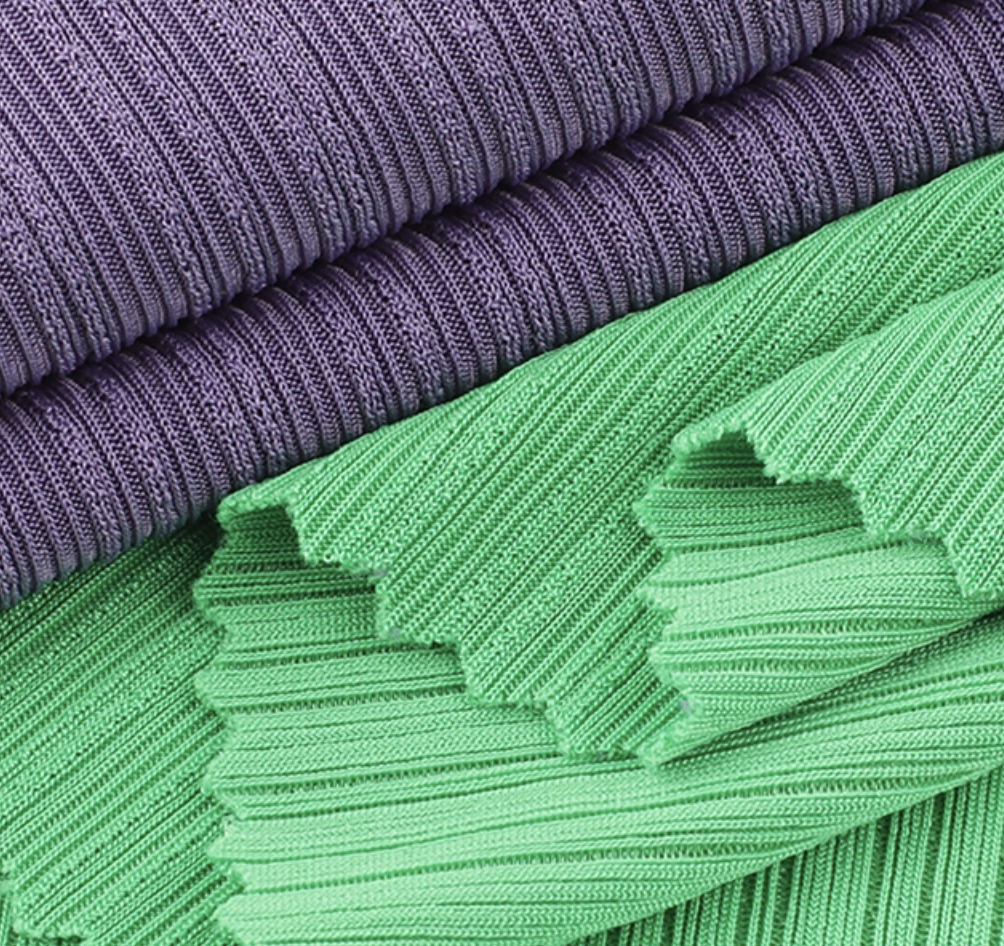
Sport knit fabric depends on knitting, not weaving, because athletes need freedom to move. Woven fabrics hold yarns in a tight grid. They stay firm, but they limit flexibility during motion. Knitted fabrics use connected loops instead. These loops shift and recover as the body moves, so the fabric stays comfortable during stretching, bending, and repeated activity.
Knitting also helps reduce fabric stress over time. It allows garments to flex naturally during workouts, training, or competition, making knit structures far more suitable for sportswear than woven constructions.
Why knitting works better for sportswear:
Natural stretch without heavy structure
Improved comfort during dynamic movement
Better durability under repeated stress
At the core of sport knit fabric is its loop structure. Each loop can expand, relax, and return to shape. This creates elasticity without relying entirely on stretch fibers. When we move, the loops open slightly. When movement stops, they pull back together.
This loop-based construction gives sport knit fabric several advantages. It supports multi-directional movement, improves shape recovery, and lowers the risk of tearing or permanent distortion. The fabric fits closer to the body while still feeling flexible and breathable.
Sport knit fabrics generally fall into two knitting systems: warp knit and weft knit. They look similar at first glance, but they behave differently in performance settings. Designers choose between them based on stability, stretch, and end use.
| Knit Type | Yarn Direction | Key Characteristics | Common Sports Uses |
|---|---|---|---|
| Warp Knit | Vertical | Stable, smooth, strong | Performance and compression wear |
| Weft Knit | Horizontal | Soft, flexible, drapey | Training and lifestyle activewear |
Both systems serve sportswear well, but they solve different performance needs.
The structure of a sport knit fabric directly controls how it performs. Tighter loops increase strength and durability. Looser loops improve stretch and airflow. A balanced knit delivers comfort without sacrificing shape retention.
Stretch supports movement. Recovery keeps garments fitting properly after wear. Durability ensures the fabric survives frequent washing and high activity. Many sport knits include elastane or spandex blends to enhance recovery and help the fabric return to its original shape after stress.
Warp knit sport fabrics use yarns running lengthwise through the fabric. This construction limits sideways stretch and increases stability during intense movement. It helps garments hold their shape even under constant motion.
Tricot and Raschel are the most common warp knit structures used in sportswear. Tricot feels lightweight and smooth, making it ideal for close-fitting performance apparel. Raschel is thicker and more textured, offering added strength and structure.
These fabrics provide strong abrasion resistance and long-term durability. They appear frequently in professional sportswear, compression garments, cycling kits, and high-performance athletic apparel.
Weft knit fabrics run yarns from side to side. They feel softer and stretch more naturally than warp knits. This makes them popular for comfort-focused sportswear.
Jersey knit is lightweight and flexible, perfect for training tops and base layers. Interlock knit adds thickness and stability while remaining soft on both sides. Rib knit stretches easily and hugs the body, often used for cuffs, collars, and fitted activewear.
Weft knit sport fabrics work best in training wear, warm-up gear, and lifestyle athletic clothing where comfort and ease of movement matter most.
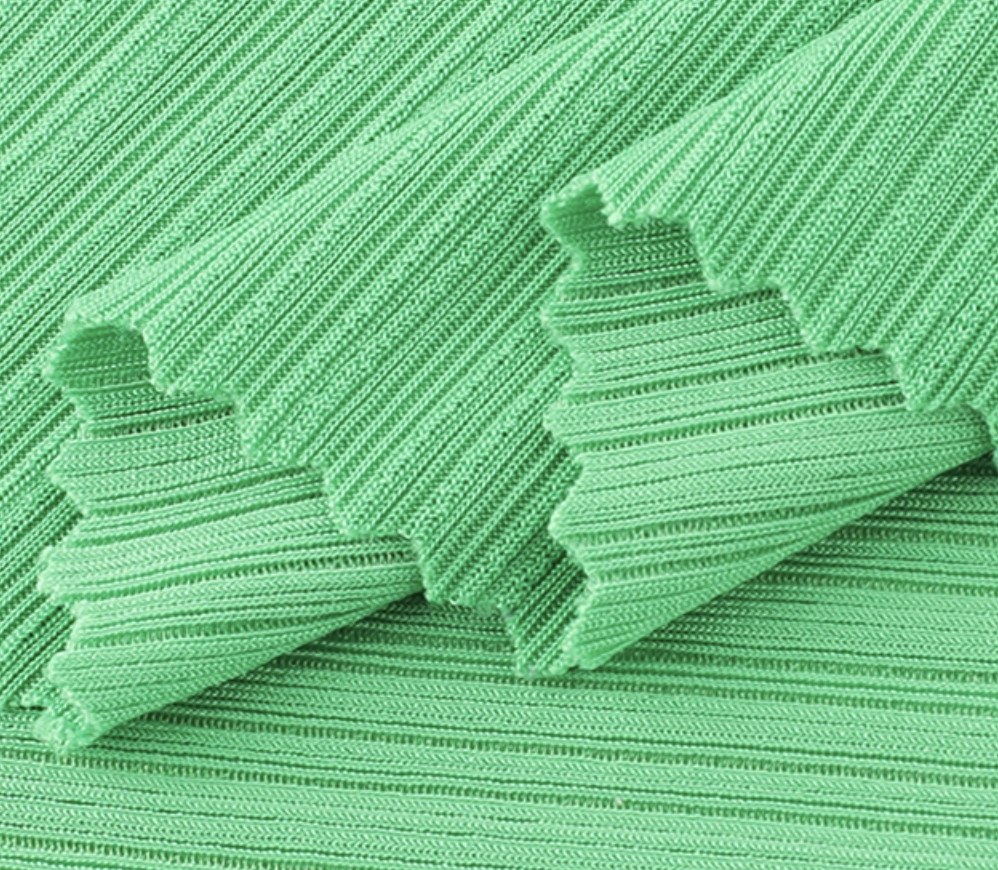
Sport knit fabric comes in several constructions. They look similar at first glance, but they behave very differently in motion. Some focus on stretch and softness. Others aim for structure, airflow, or long-term wear. We choose the type based on how the garment should move, fit, and recover.
| Knit Type | Key Feel | Main Strength | Common Sports Use |
|---|---|---|---|
| Jersey Knit | Soft, light | Comfort, flexibility | Training tops, jerseys |
| Interlock / Double Knit | Smooth, dense | Stability, durability | Team uniforms |
| Mesh Knit | Open, airy | Breathability | Vent panels, base layers |
| Rib Knit | Elastic, firm | Shape retention | Cuffs, waistbands |
Jersey knit remains the most common sport knit fabric. It feels soft against skin and stretches easily during movement. We often see it in daily athletic wear.
Single jersey uses one set of needles. It stays light, breathable, flexible. It can curl slightly at edges, so designers manage seams carefully. Double jersey uses two needle beds. It feels thicker, more stable, less prone to twisting.
They work well for:
T-shirts and training tops
Soccer, basketball, and baseball jerseys
Lightweight performance layers
It drapes naturally. It moves as the body moves. Athletes notice comfort first.
Interlock and other double knit fabrics bring more structure. Both sides look the same. The surface stays smooth and balanced during wear. They resist stretching out. They recover shape better after washing. We use them when garments need a cleaner silhouette.
Typical advantages include:
Higher durability under stress
Improved opacity
Better resistance to snagging
They suit:
Team uniforms
Warm-up jackets
Structured athletic apparel
It feels polished. It still stretches. It lasts longer during repeated use.
Mesh sport knit focuses on airflow. The open structure allows heat to escape fast. Sweat evaporates more efficiently. Designers rarely use mesh alone. They place it strategically. High-heat zones benefit most.
Common placement zones include:
Underarms
Back panels
Inner thighs
Side body areas
It keeps weight low. It boosts cooling. Athletes feel less trapped during intense sessions.
Rib knit stretches more in one direction. It snaps back tightly after movement. We rely on it for fit control. It appears in smaller areas, not full garments. It supports movement while holding shape.
Typical uses:
Necklines
Cuffs and hems
Waistbands and fitted panels
It serves function first. Designers also use it for visual contrast. It frames the garment cleanly while improving performance.
Sport knit fabric appears across many athletic categories. We use it because it stretches, breathes, and adapts to movement. Each application demands a slightly different knit structure, weight, and finish. It helps garments perform, not just look sporty.
| Application Area | Key Fabric Focus | Why Sport Knit Works |
|---|---|---|
| Team Sports | Durability, stretch | Handles contact, repeated motion |
| Training Wear | Comfort, moisture control | Supports long workouts |
| Yoga & Athleisure | Soft stretch, recovery | Moves smoothly, feels relaxed |
| Outdoor Sports | Thermal balance | Adjusts to weather changes |
| Compression & Base Layers | Elastic control | Supports muscles, manages sweat |
Team sports rely heavily on sport knit fabrics. Jerseys must stretch during fast moves, collisions, sudden direction changes. They also need to survive frequent washing.
We often see jersey knit or double knit here. They allow logos, numbers, colors to stay sharp. Mesh panels appear in high-heat zones. It keeps players cooler during intense play. Common sports include football, basketball, soccer, hockey. They all need fabric that works hard every match.
Gym wear demands flexibility first. Sport knit fabrics support squats, lifts, sprints, long sessions. They feel light and breathable. Designers favor jersey, interlock, lightweight rib knits. Moisture-wicking finishes help sweat move away quickly. It keeps the body dry, less distracted.
Typical items include:
T-shirts and tanks
Shorts and leggings
Training hoodies
They stretch easily. They recover well. They stay comfortable hour after hour.
Yoga and pilates focus on controlled movement. Fabric must stretch deeply, then return to shape. Softness matters more here. We use finer jersey knits, interlock, blended knits. They feel smooth on skin. They resist bagging during poses. Athleisure blends performance and everyday style. It works in studios, cafés, travel days. Sport knit makes that transition easy.
Outdoor sports face changing conditions. Sport knit fabrics adapt using layering and structure. Lightweight knits handle spring and summer activities. Brushed or thermal knits support colder seasons. They trap warmth while staying breathable.
Applications include:
Running tops
Cycling layers
Hiking base garments
It balances insulation and airflow. It prevents overheating during movement.
Compression garments depend on controlled elasticity. Sport knit fabric delivers consistent pressure across muscles. It improves support during performance. Warp knits dominate this space. They provide strength, stability, long-term stretch control. Base layers use smoother knits to sit close to skin.
Typical uses:
Compression leggings
Sleeves and tops
Thermal base layers
It stays tight. It moves freely. It works as a second skin during activity.
A: Yes, its looped structure allows air to circulate, keeping the wearer cool and comfortable.
A: Absolutely, lightweight and moisture-wicking sport knits help manage sweat and heat during warm weather.
A: Jersey is a type of sport knit. Sport knits include other constructions like interlock, rib, and mesh for varied performance needs.
A: Yes, especially warp knits and interlock fabrics resist abrasion, maintain shape, and withstand frequent use.
A: Yes, soft, stretchy sport knits are perfect for athleisure, loungewear, and everyday clothing.
Sport knit fabric isn’t just about looking good—it moves, stretches, and adapts as you do. From team jerseys to yoga tops, its clever knit structures make every workout or activity feel effortless. You get comfort, breathability, and durability all in one, without sacrificing style or performance.
At Shaoxing lanfex Import and Export Co., Ltd., we specialize in high-quality sport knit fabrics designed for modern athletes and everyday activewear. Explore our range to see how the right fabric can make every move smoother and every garment last longer.


