

Views: 0 Author: Site Editor Publish Time: 2026-01-26 Origin: Site
Elastane fabric is a versatile and stretchy material used in fashion, activewear, and everyday clothing. Known for its elasticity, shape retention, and comfort, elastane fabric makes leggings, swimwear, and shapewear fit perfectly while allowing freedom of movement. But how is elastane fabric made, what properties make it special, and where is it most commonly used? In this guide, we explore elastane fabric’s composition, manufacturing process, key benefits, and practical applications, helping you understand why it’s a staple in modern clothing.
Elastane appeared in the late 1950s during a period of rapid textile innovation. Scientists searched for fibers offering high stretch without the weaknesses of natural rubber. Around 1958–1959, early elastane filaments proved stable, smooth, and far more durable than rubber-based yarns. It could stretch repeatedly and still return to shape, even after washing and wear. This breakthrough changed how designers thought about fit and movement.
| Period | Key Development |
|---|---|
| Early 1950s | Demand grows for flexible, durable stretch fibers |
| Late 1950s | Elastane polymer successfully developed |
| 1960s | Commercial production begins |
Elastane was developed by chemists at DuPont, led by Joseph Shivers. The goal was simple. Rubber degraded quickly, reacted poorly to heat, and lost elasticity over time. Designers needed something better. Elastane solved those problems by offering controlled stretch, longer life, and improved resistance to body heat, sweat, and washing. It behaved predictably, which made large-scale garment production far more reliable.
Problems rubber caused in clothing:
Loss of stretch after repeated use
Yellowing and cracking from heat
Poor comfort against skin
Elastane removed these limits and opened new design possibilities.
As clothing became more body-focused, elastane spread fast across global markets. Fashion brands used it for better fit. Sportswear companies used it for freedom of movement. Underwear manufacturers used it for comfort and shape control. During this expansion, commercial names helped promote the fiber.
| Name | Market Focus |
|---|---|
| Lycra | Premium branding, fashion and performance |
| Spandex | Mass-market use, especially in the U.S. |
| Elastane | Technical and international labeling |
By the 1970s and 1980s, elastane blends appeared in jeans, swimwear, and activewear. They allowed garments to move naturally while keeping their original form. Designers, factories, and consumers all adopted it quickly because it worked in real life.
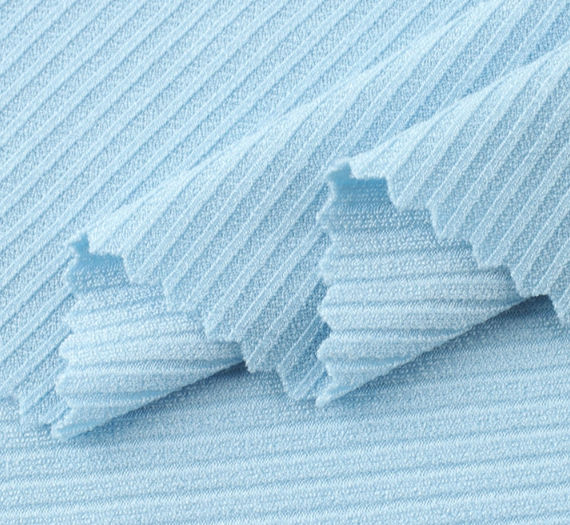
Elastane fabric starts as a carefully engineered polymer. Every step in production shapes its stretch, strength, and comfort. Understanding the process shows why it performs so well in clothing.
The first step is polymer preparation. Chemists mix polyurethane with additives to control flexibility, durability, and color. This liquid polymer forms the base for all elastane fibers.
Next comes solution spinning. Think of it as forcing liquid polymer through tiny holes to create threads. These threads are immediately stretched, helping molecules align and boosting elasticity. Finally, fibers solidify through drying or cooling. They now have the strength to stretch many times without breaking.
Key points of fiber formation:
Polymer preparation ensures consistent quality
Solution spinning transforms liquid into fine filaments
Stretching aligns fibers for elasticity
Solidification locks properties in place
Elastane rarely appears alone. It’s usually blended with cotton, polyester, nylon, or other fibers. Blending improves comfort, strength, and durability while maintaining stretch.
Knitting and weaving affect the fabric feel. Knitted elastane fabrics are soft, flexible, and perfect for activewear. Woven elastane fabrics are tighter and structured, often used in denim or trousers. Choosing the right method depends on the garment’s purpose.
| Fabric Type | Structure | Common Uses |
|---|---|---|
| Knitted elastane | Loops of yarn | Leggings, t-shirts, sportswear |
| Woven elastane | Interlaced yarn | Jeans, fitted jackets, trousers |
After weaving or knitting, elastane fabrics often go through finishing treatments to enhance performance. Heat setting helps stabilize the shape, allowing garments to return to their original form after stretching. Many fabrics receive moisture-wicking finishes, keeping the wearer dry and comfortable during exercise. Others may include softening treatments for a gentle feel on the skin or anti-static coatings to reduce cling. Some fabrics even get anti-pilling or durability coatings, improving longevity without affecting stretch.
Common finishing treatments include heat setting for shape retention, moisture-wicking and cooling finishes, softening for skin comfort, and anti-pilling or durability coatings.
Elastane fabric is famous for stretch, comfort, and durability. These features make it a staple in activewear, casual clothing, and performance garments. Understanding its key properties explains why it outperforms many other fabrics.
Elastane can stretch up to five times its original length, offering unmatched flexibility. When released, it snaps back quickly, preserving garment shape. Recovery matters because it keeps clothes snug and prevents sagging even after repeated wear.
Stretch range: up to 500%
Quick return to original form
Maintains fit during movement
Elastane improves garment silhouette, giving a smooth, fitted look. It prevents sagging or bagging over time, even in high-stress areas like knees, elbows, or waistbands. Blending elastane in fabrics helps maintain structured shapes while allowing freedom of movement.
Benefits of elastane for fit:
Smooths and contours the body
Keeps garments looking new longer
Supports tight or form-fitting clothing
Elastane fibers are strong and resist damage. Clothes maintain shape after frequent washing or stretching. Unlike rubber, elastane rarely cracks or breaks down over time. Its durability makes it ideal for leggings, sportswear, and swimwear.
Durability highlights:
High tensile strength under repeated stretching
Resistant to cracking and fiber breakdown
Long-lasting appearance after washing
| Property | Typical Performance |
|---|---|
| Stretch recovery | 95–99% after 300% elongation |
| Tensile stress | Strong under repeated wear |
| Abrasion resistance | High, prevents pilling and fraying |
Despite elasticity, elastane supports breathability. When blended with cotton, polyester, or nylon, it wicks sweat away from skin, keeping wearers dry during workouts. The combination of fibers balances stretch and ventilation, ensuring comfort.
Enhances moisture-wicking in activewear
Works with other fibers to prevent overheating
Light, soft, and comfortable on skin
Elastane fabric is everywhere in modern clothing because of its stretch and comfort. It fits snugly, moves with the body, and keeps garments looking fresh over time.
Leggings, yoga pants, and gym apparel rely on elastane for freedom of movement. It stretches easily during exercise and recovers quickly, making workouts more comfortable. Athletes and casual users alike benefit from its flexibility and support.
Swimwear often blends elastane with nylon or polyester. This ensures a close fit, excellent stretch, and resistance to chlorine damage. Swimmers enjoy freedom of movement while the fabric keeps its shape after repeated use.
Elastane is key in bras, underwear, and shapewear. It provides gentle support, contouring the body without restricting movement. The fabric’s elasticity ensures comfort all day while maintaining the intended silhouette.
Adding elastane to denim improves comfort and flexibility. Stretch denim adapts to body shape, prevents sagging at knees or waist, and allows for easier movement. Casual wear becomes more flattering and practical for daily activities.
Compression socks, sleeves, and medical braces use elastane for pressure control. It delivers functional support, enhances circulation, and adapts to body contours. Patients benefit from consistent compression and comfort during wear.
A: Yes, elastane allows air circulation and wicks moisture, especially when blended with cotton or polyester, keeping you dry and comfortable.
A: Elastane resists shrinking. It maintains its shape through multiple washes, though high heat can slightly affect its elasticity.
A: Typically, 2–10% elastane in blends offers optimal stretch, comfort, and shape retention without compromising fabric durability.
A: Generally yes, it is soft and hypoallergenic, especially when blended with natural fibers like cotton.
A: Over time or under extreme heat, chemicals, or excessive stretching, elastane may gradually lose some elasticity.
Elastane fabric combines stretch, durability, and comfort, making it a go-to choice for sportswear, swimwear, denim, and even medical garments. Its unique fiber structure allows clothes to move with you, maintain shape, and stay breathable, whether you’re working out or relaxing.
At Shaoxing Lanfex Import and Export Co., Ltd., we specialize in high-quality elastane fabrics and blends for diverse applications. Explore our range to find materials that deliver both performance and style, helping your designs stand out while keeping wearers comfortable all day.


