

Views: 0 Author: Site Editor Publish Time: 2026-02-02 Origin: Site
When it comes to choosing the right warm fabric, understanding how each material performs is key. Wool, fleece, and Thinsulate all provide insulation, but their warmth, moisture handling, and comfort vary. Are you planning high-intensity outdoor sports, long wet hikes, or lightweight workwear? In this guide, we’ll explore the strengths, weaknesses, and best uses of each insulating fabric, helping you pick the perfect option for staying warm and comfortable in any condition.
Wool comes from sheep, a natural fiber designed to keep them warm in cold climates. It’s soft, breathable, and surprisingly versatile.
There are several types of wool commonly used in clothing:
Merino Wool: Fine, soft, and lightweight. Less itch, great for base layers.
Felted Wool: Denser, thicker, usually used for jackets and outer layers.
Regular Wool: Traditional wool, warm but can be heavier and slightly coarse.
Key Properties:
| Property | Description |
|---|---|
| Biodegradable | Breaks down naturally, eco-friendly |
| Renewable | Sheep grow wool annually |
| Sustainable | Ethically sourced, minimal animal harm |
Wool’s natural origin makes it a smart choice for outdoor gear and eco-conscious shoppers.
Wool keeps you cozy even when conditions turn wet or damp. Its fibers trap air, creating tiny pockets that hold heat.
Some notable features include:
Heat retention when wet: Wool still warms even after absorbing moisture.
Moisture absorption without feeling wet: Can hold up to 30% of its weight in water.
Breathability: Lets sweat escape, avoiding clamminess.
Temperature regulation: Keeps you warm in cold, cool in milder conditions.
Wool vs Other Fabrics (Quick Comparison):
| Fabric | Warmth | Moisture Handling | Breathability |
|---|---|---|---|
| Wool | ★★★★★ | ★★★★☆ | ★★★★☆ |
| Fleece | ★★★★☆ | ★★★☆☆ | ★★★★★ |
| Thinsulate | ★★★★★ | ★★★★☆ | ★★★☆☆ |
Wool’s ability to balance warmth and moisture makes it ideal for unpredictable weather.
Wool offers a mix of impressive benefits and a few trade-offs. One of its biggest advantages is its natural odor resistance, which allows garments to stay fresh even after long use. It’s also highly durable, holding up well over multiple seasons, and as a sustainable material, wool is an eco-friendly choice for environmentally conscious buyers. On top of that, wool keeps you warm even in cold and damp conditions, making it ideal for outdoor adventures and workwear.
On the flip side, wool tends to be heavier than fleece or most synthetic insulation options, and it dries slower, which makes it less suitable if clothing gets completely soaked. High-quality types, like Merino, often come with a higher price, reflecting their performance and comfort. Some people may also experience itchiness, depending on the wool type and garment construction, so personal preference plays a role in comfort.
Wool shines in conditions where warmth and moisture management matter. Consider these applications:
Outdoor Adventures: Hiking, camping, skiing, or snowshoeing
Workwear: Jobs exposed to wet or variable conditions
Layering: Excellent as base layers or mid-layers under jackets
Layering Tip:
Use Merino wool base layer to wick moisture and felted wool mid-layer for extra insulation in very cold weather.
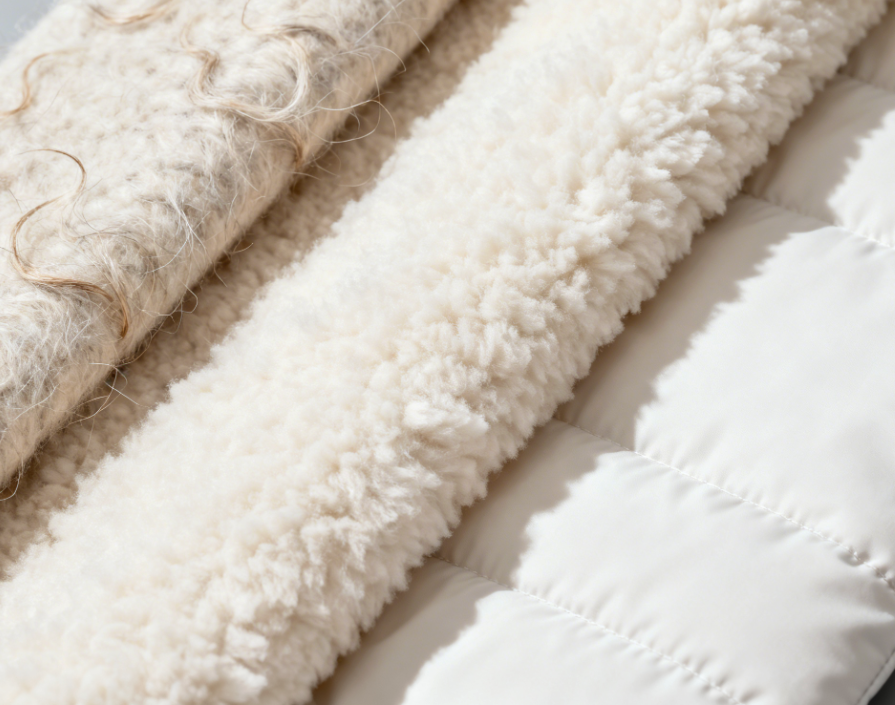
Fleece is a synthetic fabric, usually made from polyester, created as a lightweight alternative to wool. It mimics wool’s warmth while staying soft and easy to care for.
Common types include:
Polar Fleece: Thick and fluffy, traps more air, keeps you warm.
Grid Fleece: Has a grid pattern, improves airflow and moisture wicking.
French Terry Fleece: Looped inner surface, good for active wear.
Key Features:
| Feature | Description |
|---|---|
| Lightweight | Easy to layer, doesn’t weigh you down |
| Quick-Drying | Dries fast after sweat or light rain |
| Easy Care | Machine washable, resists shrinkage |
Fleece works well when you need warmth without bulk and fast-drying fabrics for outdoor activities.
Fleece keeps you cozy by trapping air between its fibers. That layer of air acts as insulation.
Other important points:
Quick-Drying: Polyester fibers resist water and dry much faster than natural wool.
Breathable: Lets heat escape during high-intensity activities.
Lightweight: You can wear multiple layers without feeling heavy.
Fleece vs Wool for Warmth (Quick Look):
| Feature | Fleece | Wool |
|---|---|---|
| Warmth | ★★★★☆ | ★★★★★ |
| Drying Speed | ★★★★★ | ★★☆☆☆ |
| Breathability | ★★★★★ | ★★★★☆ |
| Weight | Light | Heavier |
Fleece works best for moderate cold or damp conditions, especially during sports or active outdoor fun.
Fleece brings a lot of practical advantages, especially for active or casual outdoor use. It’s very light and soft, making it comfortable for layering or high-movement activities. One of its standout features is how quickly it dries, whether from sweat or a light rain, keeping you comfortable on the go. Fleece is also affordable compared to wool or Thinsulate options, and it’s easy to wash and maintain, which makes it convenient for frequent use.
However, fleece does have some limitations. It’s generally less odor-resistant, so garments may start to smell after prolonged wear. Compared to wool, fleece is less warm when wet, making it less ideal for cold, damp conditions. Additionally, because it’s made from synthetic fibers, fleece can have a negative environmental impact if not properly recycled or sourced sustainably.
Fleece excels when mobility, breathability, and drying speed matter.
Active Outdoor Sports: Running, climbing, cycling, skiing
Layering: Ideal as a mid-layer in mild or damp weather
Budget-Friendly: Good choice for casual outdoor wear or everyday jackets
Layering Tip:
Pair a light fleece mid-layer over a base layer, then top with a windproof or waterproof jacket for cold, windy days.
Thinsulate is a lightweight synthetic insulation. It was designed to provide warmth similar to down, but it retains heat even when damp.
You’ll often find it in:
Winter jackets and vests
Gloves and mittens
Cold-weather workwear for construction or marine environments
Key Features:
| Feature | Description |
|---|---|
| Lightweight | Adds minimal bulk, easy to layer |
| Damp-Resistant | Keeps warmth even in wet conditions |
| Compressible | Packs easily for storage or travel |
Thinsulate offers a balance between warmth, comfort, and mobility, making it a go-to choice for active and professional use.
Thinsulate delivers impressive warmth without heavy bulk. Its microfibers trap heat efficiently.
Other important points:
Excellent warmth-to-thickness ratio: Thin layers still keep you very warm.
Retains heat when wet: Unlike down, it doesn’t lose loft in damp conditions.
Breathable and compressible: Lets moisture escape and packs small for travel.
Warmth Comparison Table:
| Fabric | Warmth-to-Thickness | Wet Performance | Compressibility | Weight |
|---|---|---|---|---|
| Thinsulate | ★★★★★ | ★★★★☆ | ★★★★★ | Light |
| Wool | ★★★★☆ | ★★★★☆ | ★★★★☆ | Medium |
| Fleece | ★★★★☆ | ★★★ | ★★★★☆ | Light |
Thinsulate works well when you need thin, lightweight insulation that still performs in wet or cold conditions.
Thinsulate offers several advantages, especially when you need warmth without extra bulk. It’s very lightweight, so it won’t weigh you down, yet it still maintains heat even when damp or sweaty, making it reliable in variable conditions. This insulation is highly versatile, used in both workwear and outdoor gear, and it packs small, which makes layering easy for colder environments.
On the other hand, Thinsulate has some trade-offs. Its durability is moderate, and it can flatten under heavy or prolonged use. It’s also more expensive than basic synthetic insulation, which may impact budget-conscious buyers. Additionally, it lacks the natural fiber feel of wool, which some people prefer for comfort or texture.
Thinsulate shines in work and active outdoor scenarios where durability, warmth, and lightness matter.
Cold-weather workwear: Construction, logistics, offshore/marine jobs
Winter gloves and jackets: Thin, warm layers for hands or torso
Situations needing compressible insulation: Travel, storage, layering
Layering Idea:
Use a Thinsulate mid-layer under a waterproof shell. You get warmth, mobility, and dryness in one combo.
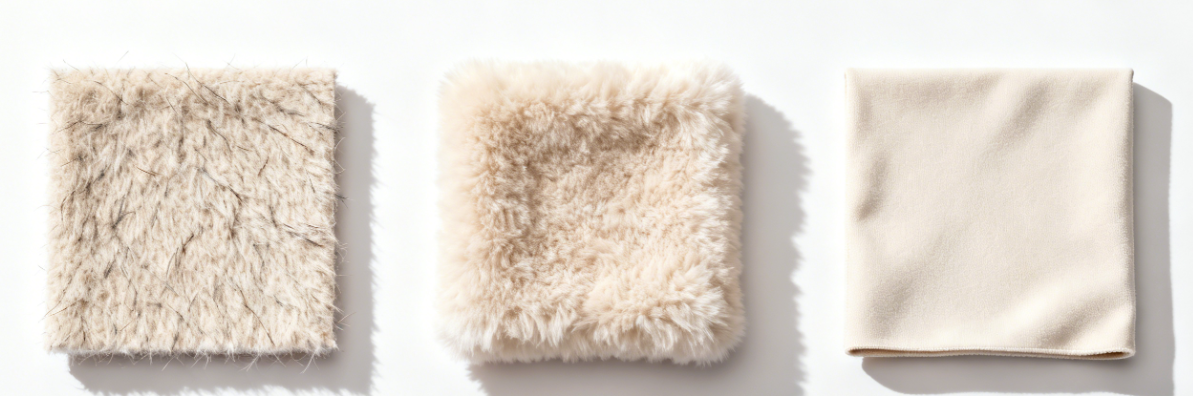
Picking insulation often starts with the type of activity you’ll do. For high-intensity sports like running, climbing, or cycling, fleece is ideal. It’s lightweight, breathable, and quick-drying, keeping you comfortable during sweat-heavy movements. For long, cold, or wet trips, wool takes the lead. It stays warm even when damp and resists odors over extended use. Merino wool works well as a base layer for extended outdoor adventures. When your job or activity requires lightweight warmth without bulk, Thinsulate shines. It’s perfect for construction, logistics, or offshore work, keeping workers insulated without restricting movement.
Weather plays a major role in insulation choice. Fleece performs best in dry, mildly cold conditions. It warms effectively while staying light, but it loses efficiency if soaked. For wet and cold environments, wool or Thinsulate are stronger options. Wool absorbs moisture while retaining heat, and Thinsulate keeps warmth even when damp, making either suitable for unpredictable weather. In extremely cold but dry climates, wool and Thinsulate both provide excellent protection. Wool traps air naturally, and Thinsulate offers a high warmth-to-weight ratio, ideal for extended outdoor work or extreme cold conditions.
Layering can maximize comfort and warmth. A wool base layer paired with a fleece mid-layer gives versatility for variable temperatures and activity levels. Wool handles moisture and warmth, while fleece adds lightweight insulation and breathability. Thinsulate works well as an outer insulating layer in workwear. It’s thin but warm, making it ideal over a shirt or base layer. This approach is great for jobs requiring mobility and thermal protection.
Your budget often influences material choice. Fleece is the most cost-effective, perfect for casual use or short-term outdoor activities. Wool comes at a higher upfront cost but lasts longer, handles moisture well, and is eco-friendly. It’s an investment in durability and environmental sustainability. Thinsulate falls in the mid-range to premium category. It’s worth considering when technical performance, lightweight warmth, or extreme conditions are priorities.
| Material | Best Activity | Weather Suitability | Layering Role | Cost Level |
|---|---|---|---|---|
| Wool | Long trips, cold hikes | Cold, wet, extreme dry | Base or mid-layer | Higher |
| Fleece | High-intensity sports | Dry, mild cold | Mid-layer | Low |
| Thinsulate | Workwear, technical tasks | Wet, cold, extreme dry | Outer insulating layer | Mid to Premium |
A: Wool and Thinsulate retain warmth when damp, making them the best choices for wet conditions.
A: Fleece dries quickly but loses insulation if soaked, so it’s less effective in wet weather.
A: Yes, wool offers long-term durability, natural odor resistance, and warmth even when wet.
A: Thinsulate is lightweight, compressible, and maintains heat when damp, unlike down, and is thinner than wool.
Choosing the right warm fabric doesn’t have to be confusing. Wool, fleece, and Thinsulate each have unique strengths—some excel in wet conditions, others in high-intensity activities, and some provide lightweight warmth without bulk. Think about how you move, the weather you face, and how you like to layer—it makes all the difference in staying comfortable outdoors.
For reliable, high-quality materials, Shaoxing Lanfex Import and Export Co., Ltd. offers a wide range of premium wool, fleece, and synthetic insulation fabrics. Whether you’re crafting outdoor gear, workwear, or casual clothing, their fabrics help you deliver warmth, performance, and durability your customers can trust.


