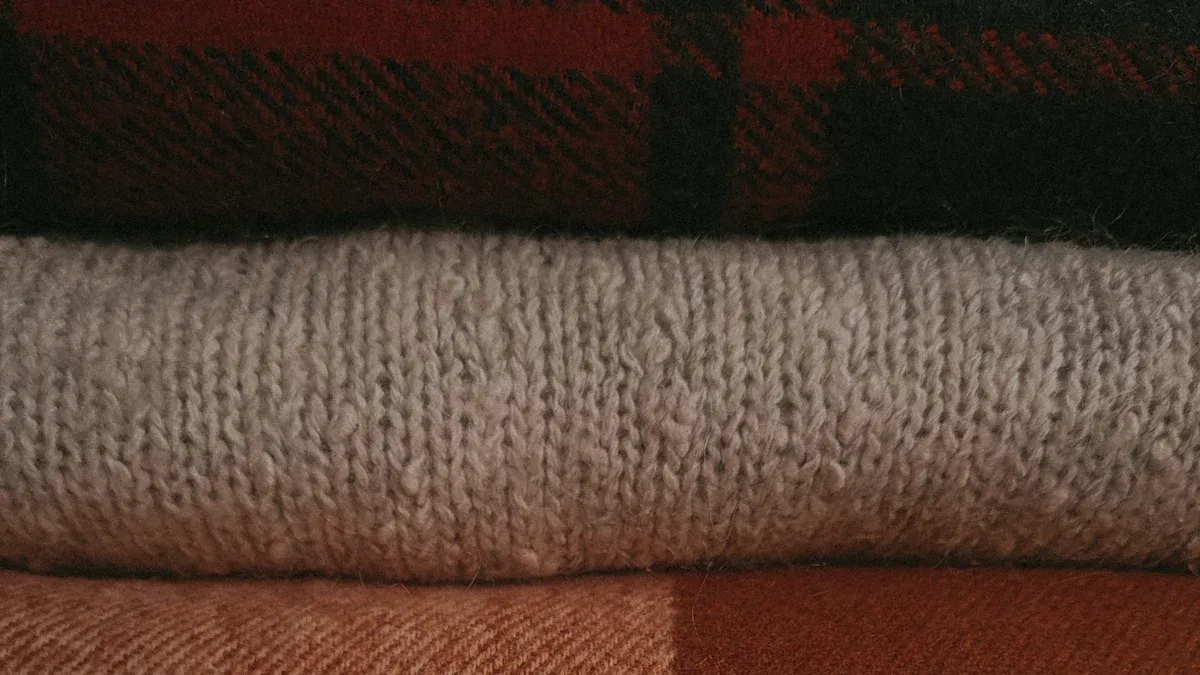
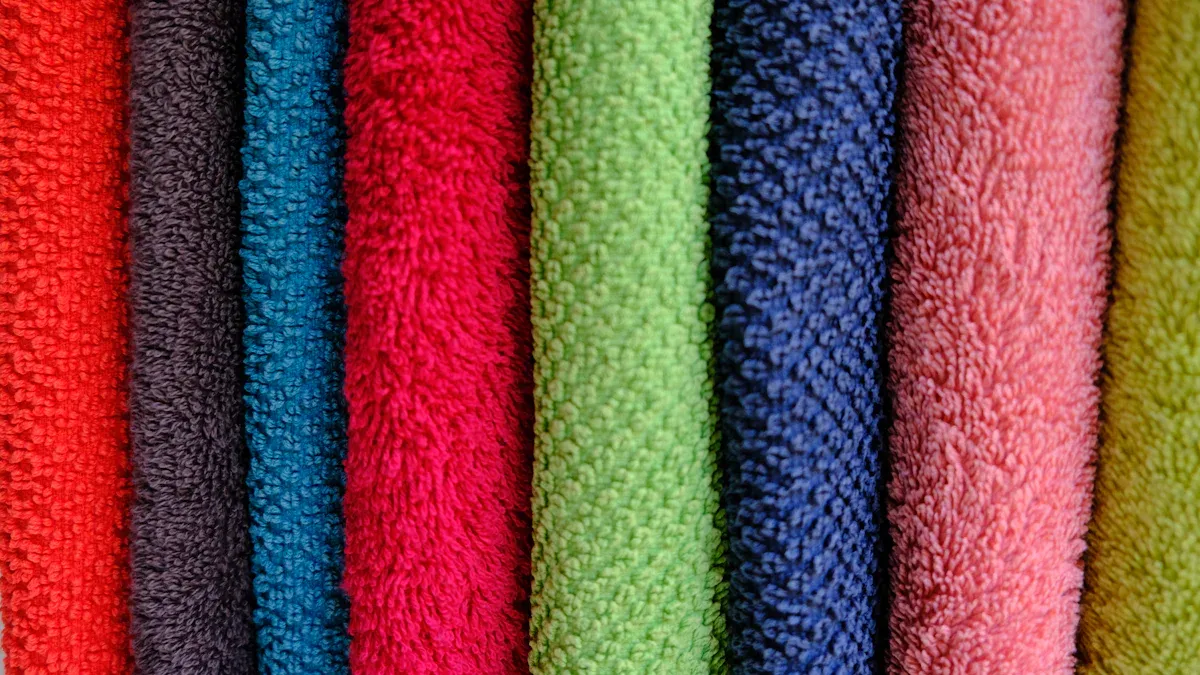
The right choice helps you stay comfortable when temperatures drop. Each one has its own unique feel.
Wool and alpaca are the best fabrics for warmth. They trap air and keep body heat close, making them ideal for cold weather.
Layering is key to staying warm. Start with a snug base layer, add an insulating middle layer, and finish with a protective outer layer.
Avoid cotton and linen in winter. These fabrics do not trap heat well and can make you feel colder when wet.
When you want to stay cozy in cold weather, picking the right warm fabric makes a big difference. Let’s look at the best fabrics for winter warmth and see what makes each one special.
Wool stands out as one of the best fabrics for winter warmth. You might wonder why wool keeps you warm. The answer is simple. Wool fibers trap air, which helps hold your body heat close. This natural insulation works even when the fabric gets damp. Wool also wicks away moisture, so you stay dry and comfortable. You can wear wool sweaters, scarves, socks, or coats. Wool comes in many styles, so you can find something soft or rugged for any winter activity.
Fleece feels soft and light, but it packs a punch when it comes to warmth. You often see fleece in jackets, blankets, and hats. Fleece traps heat well and dries quickly. It’s easy to wash and doesn’t weigh you down. However, fleece is made from polyester, which means it’s not biodegradable. Washing fleece can release microfibers into water, adding to plastic pollution. If you want a warm fabric that’s easy to care for, fleece is a popular choice, but it’s good to know about its environmental impact.
Tip: If you want to help the planet, look for recycled fleece or wash fleece items less often.
Thermal cotton gives you warmth with breathability. You’ll find thermal cotton in long underwear, shirts, and pajamas. Here’s what makes thermal cotton a great warm fabric:
Thermal resistance helps keep your body heat in.
Low thermal conductivity means heat doesn’t escape easily.
Air permeability lets your skin breathe.
Moisture vapor permeability keeps you dry and comfy.
Thermal cotton feels soft against your skin and works well for layering.
Alpaca fiber feels luxurious and keeps you warm even in freezing weather. It’s softer than wool and doesn’t itch. Alpaca is also hypoallergenic, so it’s great if you have sensitive skin. Let’s compare alpaca to wool and cashmere:
Fabric | Warmth |
|---|---|
Wool | Very warm |
Alpaca | Slightly warmer per weight |
Cashmere | Exceptional warmth-to-weight ratio |
Alpaca gives you more warmth for less weight. You can wear alpaca sweaters or scarves when you want to stay toasty without feeling bulky.
Cashmere feels soft and light, but it’s incredibly warm. You get an exceptional warmth-to-weight ratio, so cashmere keeps you cozy without heavy layers. Cashmere comes from goats and feels smoother than wool. You can wear cashmere sweaters or accessories for a touch of luxury in winter.
Flannel is a classic warm fabric for winter. You’ll find flannel in shirts, pajamas, and bedding. The napped texture of flannel traps air and holds heat, which keeps you warm all night. Here’s why flannel works so well:
The napped surface traps air and retains heat.
Flannel breathes, so moisture escapes while warmth stays in.
Flannel sheets add an extra layer of insulation, keeping you warm until morning.
Flannel feels soft and cozy, making it perfect for cold nights.
Leather isn’t just for style. It blocks wind and holds in heat, so leather jackets keep you warm on chilly days. Leather works best as an outer layer. It’s durable and can last for years if you care for it properly. Leather doesn’t breathe as much as other fabrics, so you might want to wear something soft underneath.
Blended fabrics mix natural and synthetic fibers to give you the best of both worlds. You might see wool blended with polyester or cotton mixed with acrylic. These blends can boost warmth, add stretch, or make the fabric easier to wash. Blended fabrics often cost less than pure wool or cashmere, so you get warmth without breaking the bank.
Note: When you shop for winter clothes, check the label to see what fibers are in your warm fabric. Blends can offer comfort, durability, and extra warmth.
All these fabrics help you stay warm in winter. Wool, fleece, thermal cotton, alpaca, cashmere, flannel, leather, and blended fabrics each have their own strengths. You can choose the best fabrics for winter warmth based on your needs, style, and budget.
You want warm fabric to keep your heat in. Insulation is what does this job. Fabrics with good insulation trap air in their fibers. The trapped air works like a shield. It stops your body heat from leaving.
Insulation materials, like synthetic fibers or natural wool, are important. They trap air molecules inside their structure. These air pockets block heat from moving out. More air pockets mean better insulation. You will feel warmer with more insulation.
Here are things that change how well fabric holds heat:
Property | Description |
|---|---|
Thermal Conductivity | Decides how heat moves through the fabric. |
Moisture Regain | Changes how water affects heat in fibers. |
Glass Transition Temperature | Shows when synthetic fibers get flexible. |
Melting Temperature | The point when synthetic fibers melt. |
Wool is well-known for being a good insulator. You feel cozy in a wool sweater on cold days.
It is important to stay dry and warm. Wet clothes make you lose heat faster. Fabrics with good moisture control help you stay safe and comfortable.
Moisture management keeps your skin and clothes dry. This helps control your body temperature.
Hydrophilic fibers, like cotton, soak up water. They can lose warmth when wet.
Hydrophobic fibers, like wool, push water away. This helps you stay dry.
Some fabrics mix both types. They move moisture away and dry fast.
A warm fabric that controls moisture well keeps you from getting cold. It helps you feel fresh.
You want winter clothes to feel nice and warm. Comfort and breathability are important. Fabrics like merino wool let air move through. They also pull sweat away from your skin. This keeps you warm but not sweaty.
Breathable fabrics let air pass through. This stops heat and moisture from building up. Layering different fabrics can make you warmer and more comfortable. The right mix of breathability and insulation helps you enjoy winter.
You might wonder which is warmer, wool or fleece. Both keep you cozy, but they work a little differently. Wool comes from sheep and traps air in its fibers, making it a great insulator. Fleece is a synthetic warm fabric that feels soft and dries quickly. Lab tests show that wool and fleece have similar insulation when dry or wet. Both lose heat fast when wet, so staying dry matters most. Fleece dries faster than wool, but it also loses heat more quickly at first. If you want something easy to wash and quick to dry, fleece is a good pick. If you like natural fibers, wool is a classic choice.
Feature | Wool | Fleece |
|---|---|---|
Source | Natural | Synthetic |
Insulation | High | High |
Drying Speed | Slow | Fast |
Care | Special | Easy |
Cashmere and alpaca both feel soft and luxurious. You get warmth without bulk from each. Alpaca fibers have a semi-hollow core, so they trap heat better than cashmere. This means alpaca gives you more insulation. Alpaca also wicks moisture away, helping you stay dry and comfortable. Cashmere feels smooth and light, but alpaca manages moisture better. If you want the warmest option, alpaca wins.
Flannel sheets are generally warmer due to their napped fabric, which traps heat, while brushed cotton (often referred to in the context of thermal cotton) is typically lighter and less warm.
You see flannel in shirts and bedding. It feels soft and holds heat well. Thermal cotton is lighter and lets your skin breathe. If you want the warmest sheets or pajamas, flannel is the better choice.
Leather blocks wind and keeps you warm as an outer layer. You might wear a leather jacket on a cold day. Blended fabrics mix natural and synthetic fibers. They give you warmth, stretch, and easy care. If you want style and wind protection, leather works well. If you want comfort and flexibility, blended fabrics are a smart pick.
When you want to stay warm, some fabrics just don’t do the job. Let’s look at a few materials you should skip if you want to keep cozy in cold weather.
Cotton feels soft and comfortable, but it doesn’t keep you warm. You might think cotton is a good choice because it’s everywhere. The truth is, cotton doesn’t trap heat like wool or fleece. Wool creates air pockets that hold warmth close to your body. Fleece uses its textured surface to keep body heat in. Cotton lacks these features, so you lose heat quickly. If cotton gets wet, it makes you feel even colder. You should save cotton for warmer days or indoor use.
Linen is another fabric you want to avoid in winter. Linen is light and airy. It lets air move through easily, which is great for summer but not for cold weather. Linen doesn’t insulate well. You lose body heat fast when you wear linen outside in winter. If you want to stay warm, pick something thicker and heavier.
Light synthetic blends, like thin polyester or acrylic, don’t keep you warm. These fabrics might feel soft, but they don’t trap heat well. Studies show that fleece and other light synthetics have a much lower warmth-to-weight ratio than heavier insulations. For example:
Fleece insulations have a warmth-to-weight ratio of 0.09 clo/oz./yd².
Non-woven insulations average 0.42 clo/oz./yd².
This means light synthetic blends lose heat quickly. You should choose thicker, high-performance fabrics for cold weather.
Tip: If you want to stay warm, look for fabrics that trap air and hold heat. Skip cotton, linen, and light synthetics when the temperature drops.
Layering helps you stay warm in cold winter weather. You want to build your outfit with three layers. Start with a base layer that sits close to your skin. Good choices for a base layer are polyester, nylon, silk, or merino wool. These fabrics wick away sweat and help you retain body heat. Next, add a middle layer for insulation. Wool, cashmere, and fleece work well here. They trap warmth and keep you cozy. Finish with an outer layer that blocks the chill. Pick something tough like polyester or nylon to protect you from wind and rain. This system lets you adjust your layers if you get too warm or cold.
Tip: Layering with cashmere or down in the middle layer gives you extra warmth without bulk. That’s why cashmere keeps you warm even when it feels light.
You need different fabrics for different winter activities. If you go skiing, hiking, or just commute to work, your choices matter. Check out this table to see which fabrics work best:
Fabric | Properties | Suitable for Activities |
|---|---|---|
Nylon | Waterproof, lightweight, moisture-wicking | Hiking, skiing, commuting |
Lycra | Elastic, moisture-wicking, comfortable fit | Hiking, skiing |
Merino wool | Insulating, moisture-wicking, lightweight | Hiking, skiing |
Down | Excellent insulation, lightweight, breathable | Skiing, hiking |
Fleece | Warm, lightweight, moisture-wicking, flexible | Hiking, commuting |
Polyester | Insulating, moisture-wicking, wind-resistant | Hiking, skiing, commuting |
Silk | Lightweight, moisture-wicking, allows airflow | Base layer for all activities |
If you want to know why down keeps you warm, it’s because down traps air and creates pockets that hold heat. Fur also helps by blocking wind and keeping warmth close to your body. That’s why fur keeps you warm in harsh conditions. For quality winter wear, pick fabrics that match your activity and weather.
Taking care of your warm fabrics helps them last longer and keeps you staying cozy. Here are some easy tips:
Wash cashmere in cold water using a gentle cycle or by hand.
Use a mild detergent or baby shampoo for cashmere and wool.
Handle your garments gently. Avoid rough washing to keep fibers soft.
Never wring or twist cashmere, wool, or down. Press out water gently.
Lay items flat on a towel to dry. Hanging can stretch cashmere and wool.
Brush fur gently to keep it fluffy and clean.
If you care for your cashmere, down, and fur, you help them retain body heat and block the chill. Quality winter wear needs gentle care to keep you warm year after year.
You have many great choices for staying warm in winter. Wool, fleece, alpaca, and cashmere all help trap air and keep you cozy. Remember, thicker fabrics work best. Try layering with a snug base, a warm middle, and a weatherproof outer layer. Quality and insulation make all the difference!
Wool and alpaca keep you the warmest. You get great insulation and comfort. Cashmere also feels warm and soft.
Cotton does not keep you warm. It holds moisture and makes you feel cold. You should pick wool or fleece instead.
Wash by hand or use a gentle cycle. Use cold water and mild soap. Lay flat to dry. This keeps your clothes soft and cozy.